Reducing the impact of COVID-19 on children and families

As Australia’s leading child health research institute, we continue to reduce the impact of COVID-19 on the health and wellbeing of children and the community
COVID‑19 continues to circulate globally, with intermittent surges and evolving variants.
Our COVID-19 response leverages the breadth and depth of our research, innovation, and evidence‑based guidance. By working collaboratively, we aim to create a safer, healthier future for all children.
COVID‑19 continues to circulate globally, with intermittent surges and evolving variants.
Our COVID-19 response leverages the breadth and depth of our research, innovation, and evidence‑based guidance. By working collaboratively, we aim to...
COVID‑19 continues to circulate globally, with intermittent surges and evolving variants.
Our COVID-19 response leverages the breadth and depth of our research, innovation, and evidence‑based guidance. By working collaboratively, we aim to create a safer, healthier future for all children.
Our pandemic response
The COVID‑19 pandemic posed an unprecedented global challenge. At MCRI, we worked rapidly to understand how the virus affects children and young people, how their immune systems respond, and the role vaccines play in protecting them. These efforts not only helped navigate the immediate crisis but also laid the foundation for long-term strategies against COVID‑19 and future pandemics.
During the height of the pandemic, our research included:
- Hospital admission studies showing that children were generally spared the most severe effects of COVID‑19, while the risk of long COVID remains an area of ongoing investigation.
- Immune response discoveries, revealing that SARS‑CoV‑2 activates the innate immune system (the body’s first line of defence) in children but not in adults, highlighting age-specific responses to infection.
- Stem cell research to study COVID‑19’s impact on organs and develop better treatments for those affected.
- Critical vaccine advice and development, including supporting immunisation strategies and helping make vaccines available for children aged 12 to 15.
Our collaborative approach brought together expertise in paediatrics, infectious diseases, epidemiology, and immunology to protect children during the pandemic and prepare for future health threats.
How we’re preparing for future challenges
Our ongoing work focuses on preparing for future pandemics while continuing vital COVID‑19 research. We are:
- Providing evidence-based insights to governments, healthcare professionals, businesses, and families, equipping them with tools to respond effectively to future health threats.
- Investigating the impact of policies such as lockdowns and school closures on young people, ensuring that future responses protect their wellbeing.
By learning from COVID‑19, we aim to build a healthier future for children and strengthen global readiness to minimise the impact of future health crises.
Our focus going forward
Children and adolescents continue to make up a significant portion of COVID-19 cases, but hospital admissions remain low. Our researchers are working hard to understand why many young people have mild or no symptoms and to explore the long-term effects of the virus (long-COVID) on those who become unwell.
As evidence grows that SARS-CoV-2 impacts organs beyond the lungs, we are collaborating with leading experts to study causes, identify risk factors, and develop new ways of protecting children from severe complications. Our research now extends to developing targeted treatments to safeguard the health of future generations.
Our research
Research archive & publications

COVID-19 newsroom

Winter viruses can trigger a heart attack or stroke, our study shows. It’s another good reason to get a flu or COVID shot

No Jab, No Job project – A COVID-19 vaccine legacy

Trust matters but we also need these 3 things to boost vaccine coverage

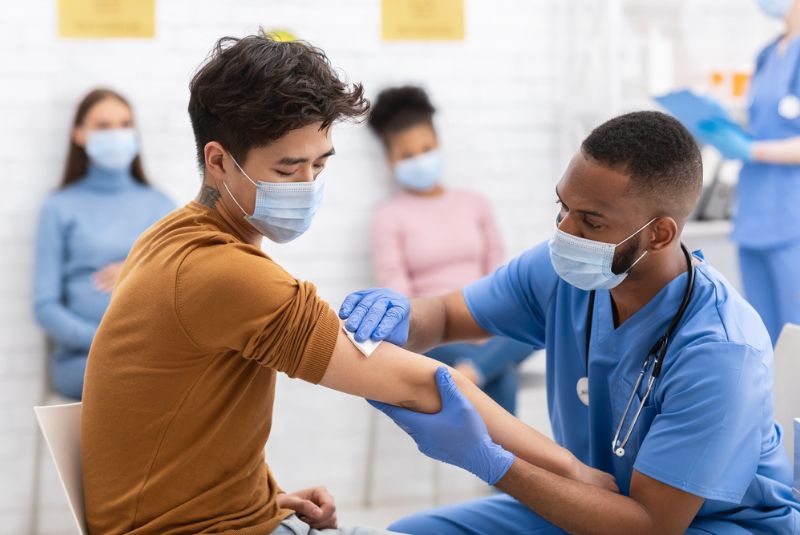
NSW may end its COVID vaccine mandate for health workers. That doesn’t mean it was a bad idea in the first place

Big data detects COVID-19 vaccine safety signals

A statement regarding a recent COVID-19 vaccination publication
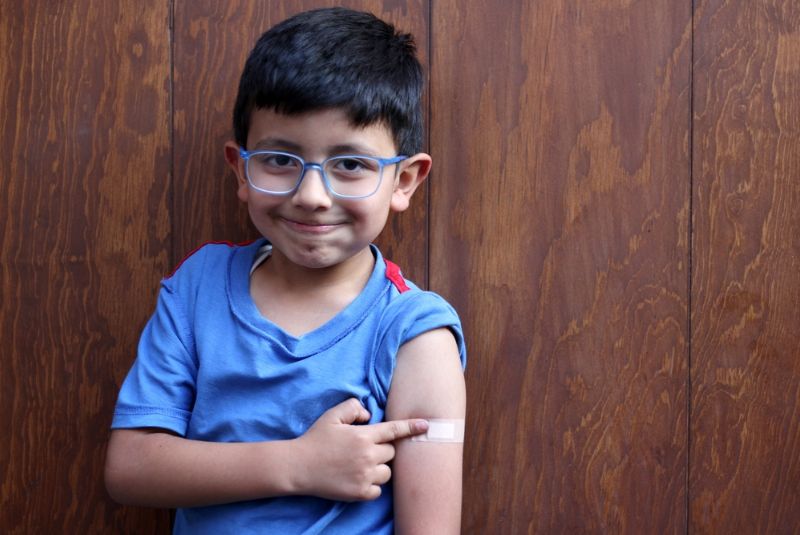
COVID-19 vaccines are effective against severe cases in children
Wastewater monitoring could act as pandemic early warning system
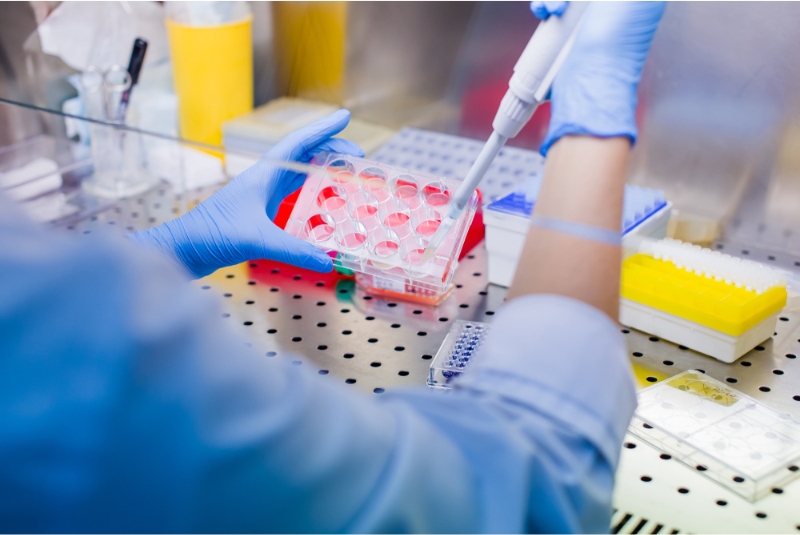
Lung and heart stem cell research paves way for new COVID-19 treatments

World Health Organization adopts recommendation to increase access to medical oxygen
Asia-Pacific Health
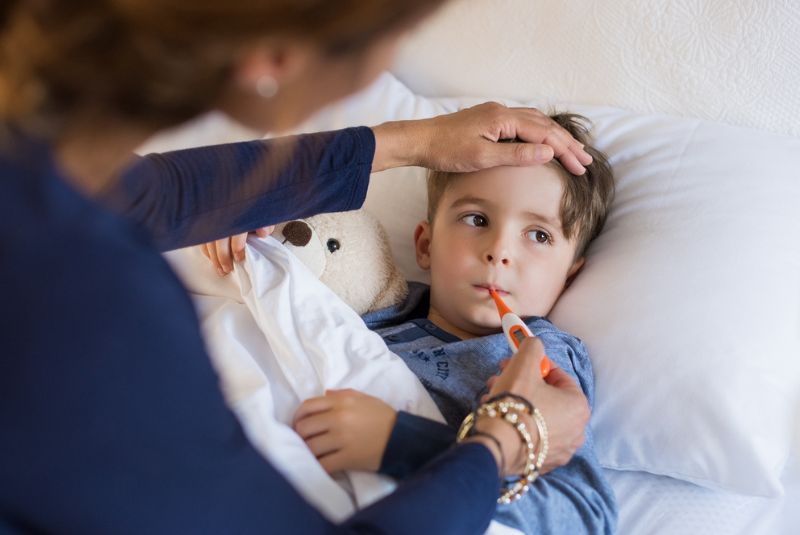
Most children with COVID-19 don’t require hospital treatment

Children with COVID-19 treated safely at home, helping to take burden off hospitals

Victorians sought for trial of immune responses to fourth COVID-19 vaccine