Rotavirus
What is Rotavirus?
Rotavirus is a highly infectious virus of the gut that typically affects babies and young children. The diarrhoeal disease can be fatal.
Rotavirus infection can cause severe gastroenteritis (an infection of the gut, including the stomach and intestines). Gastroenteritis can cause diarrhoea, vomiting, tummy ache and fever, and when these symptoms become severe, dangerous dehydration can occur.
Rotavirus can also lead to shock (when the body isn’t getting enough blood flow) and can be fatal for some children.
The virus mainly affects children aged six months to two years and spreads by contact with the faeces of an infected person. This can happen when people don’t wash their hands properly after changing a nappy or going to the toilet.
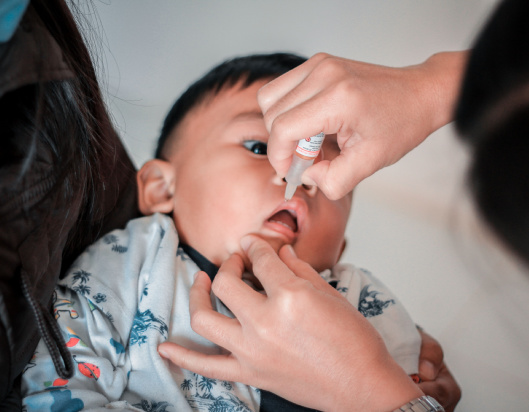
The rotavirus vaccine is the best way to protect against rotavirus infection but in some developing countries, limited access to healthcare means families cannot vaccinate their children.
Who does it affect?
Who does it affect?
- Rotavirus is the most common cause of severe diarrhoea in children worldwide causing about 215,000 deaths a year. More than 90 per cent are in low-income countries in Africa and Asia.
- In Australia, before the rotavirus vaccine was introduced, the virus hospitalised roughly 10,000 children aged under five each year.
- Since the vaccine was introduced in Australia, child hospital admissions due to rotavirus have dropped by more than 70 per cent.
- Almost all unvaccinated children will have experienced one or more rotavirus diarrhoeal episodes, regardless of their living conditions, by age five.
Our Rotavirus research - RV3-BB rotavirus vaccine
Our Rotavirus research - RV3-BB rotavirus vaccine
Our researchers developed a next‑generation rotavirus vaccine: RV3‑BB.
A major clinical trial in Indonesia tested three doses of RV3‑BB, with the first given within the first five days of life. The results were remarkable:
- 94 percent protection against severe rotavirus gastroenteritis in the first year of life
- 75 percent protection up to 18 months of age
These findings show that vaccinating at birth could offer life‑saving protection during the most vulnerable early months. The vaccine has has been proven to be safe and effective in clinical trials in Australia, New Zealand, Indonesia and Malawi. Rotavirus vaccine research has been supported by the Gates Foundation.
This included finding that a reduced dose also produced a stronger immune response. The Indonesian vaccine manufacturer PT BioFarma is also completing another trial with results due in 2023 after which it is planned that the rotavirus vaccine will be available for large-scale use in Indonesia and globally.
Although 114 countries have introduced the rotavirus vaccines that we developed, and despite World Health Organization (WHO) recommendations that all children should receive a rotavirus vaccine, more than 80 million children worldwide still do not have access to the vaccine.
Our Enteric Diseases group hosts the WHO Collaboration Centre for Child Health, the WHO Regional Reference Laboratory for the Western-Pacific Region and the Australian Rotavirus Surveillance Program. These programs monitor and test for rotavirus, and the programs contribute to rotavirus disease surveillance and the characterisation of strains causing severe disease in people throughout Australia and across our region.
The group’s research includes understanding why some oral rotavirus vaccines do not provide good protection in infants in low-income settings.
The group has also responded to the challenges posed by the COVID-19 pandemic. Research has involved exploring the role of gut infection by SARS-CoV-2 in COVID-19 as well as establishing an environmental surveillance program for SARS-CoV-2 in wastewater in Indonesia in collaboration with the Universitas Gadja Mada, Yogyakarta.
Impacts of our research
Impacts of our research
- Most recently we have discovered that RV3-BB rotavirus vaccine given at birth positively impacts gut bacteria. Babies who receive a RV3-BB rotavirus vaccine at birth showed higher levels of good bacteria in their gut, better protecting them against infection during the first weeks of life.
- The landmark discovery of rotavirus in 1973 led by Professor Ruth Bishop was a breakthrough in combatting one of the world’s biggest causes of infant deaths.
- Four decades of research led to our development of a world-first oral rotavirus vaccine for newborns, to take advantage of the time when mothers and their babies are likely to be in contact with healthcare providers in developing countries.
- Oral rotavirus vaccination became part of Australia’s National Immunisation Program for infants in 2007, and in 2009 the World Health Organization recommended it for all national immunisation programs.
- The potential for the newborn vaccine to save thousands of lives caught the attention of the Gates Foundation which has funded trials in Indonesia and Malawi providing evidence that the vaccine was safe and protective.
Our vision
Our vision
No child should die from a preventable virus. Our aim is universal and ongoing rotavirus vaccination for all infants, preventing deaths and disease from severe diarrhoea. Rotavirus eradication is possible if effective and affordable vaccines are accessible to all.
Donate to MCRI
Help our researchers make life-changing discoveries in child health.
Where to next?
Where to next?
The RV3-BB vaccine manufactured by PT BioFarma Indonesia is completing clinical trials with plans to introduce RV3-BB into the routine immunisation program for all babies in Indonesia from 2023.
Unlike many vaccines, RV3‑BB is being developed by academic institutions, not pharmaceutical companies, ensuring the focus remains on global equity and access. This work is critical, as tens of millions of infants still lack access to rotavirus vaccination.
To reach children everywhere, we are now seeking manufacturing partners who can license and produce RV3‑BB at scale, helping meet worldwide demand and bringing us closer to a future where no child dies from a preventable diarrhoeal disease.
Rotavirus newsroom

RV3-BB rotavirus vaccine given at birth positively impacts gut bacteria
Babies who receive a RV3-BB rotavirus vaccine at birth showed higher levels of good bacteria in...
Read more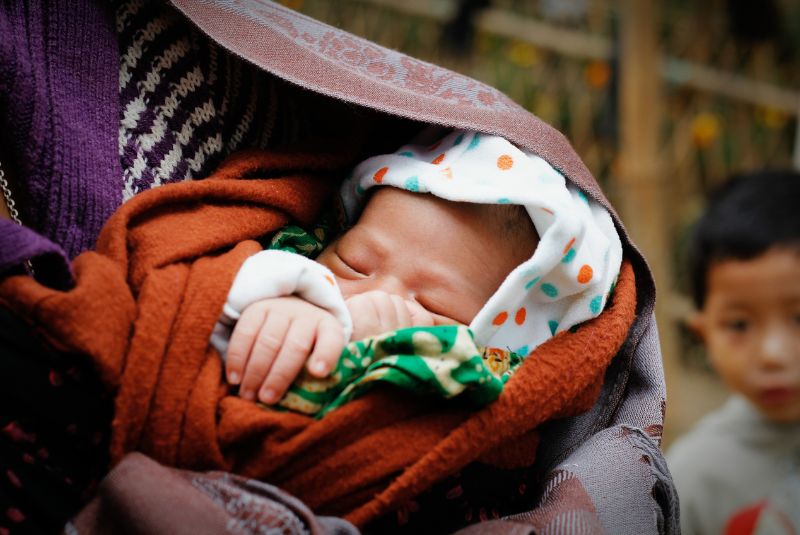
MCRI and Incepta Pharmaceuticals partner to protect children from rotavirus
Murdoch Children's Research Institute (MCRI) and Incepta Pharmaceuticals, based in Bangladesh,...
Read more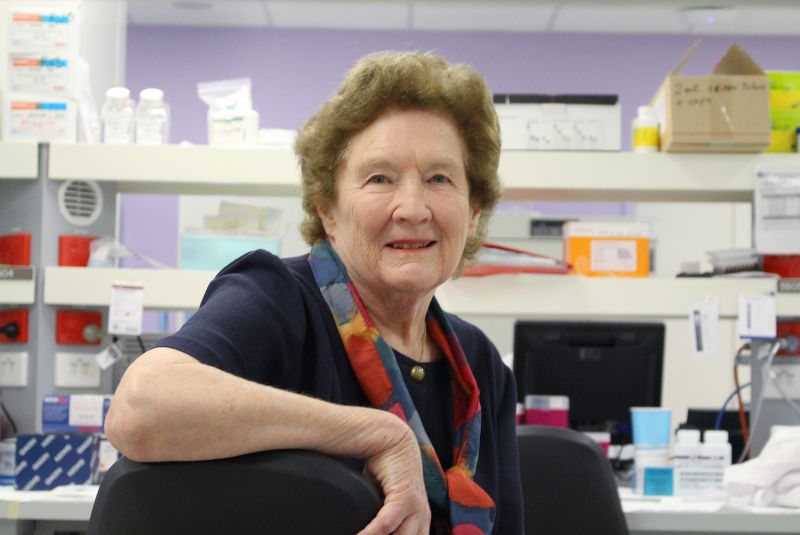
New Ruth Bishop Fellowship created to honour her legacy
Murdoch Children’s Research Institute will establish a new five-year Fellowship, named in...
Read more
Asia-Pacific Health
Our research provides evidence for policy and clinical practice to improve child health outcomes...
Read more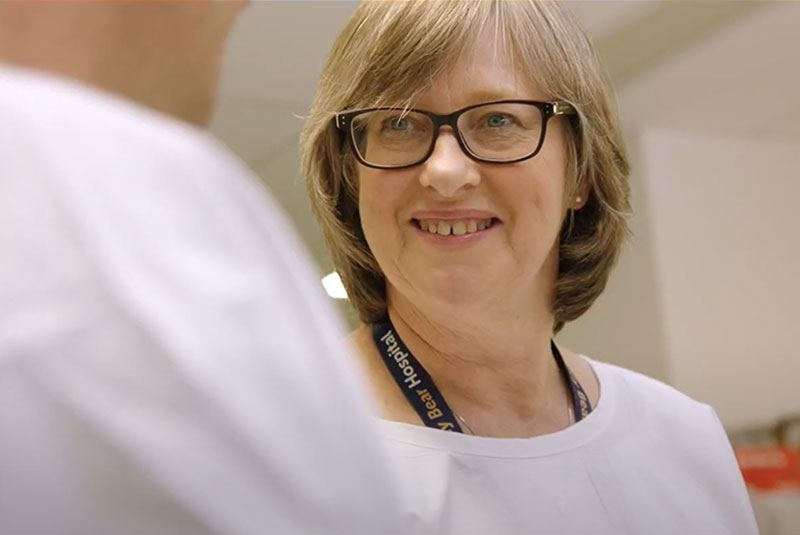
Preventing Rotavirus in children in Australia and around the world
Meet Professor Julie Bines, discussing rotavirus research at Murdoch Children's Research Institute.
Read more
RV3-BB rotavirus vaccine could save millions of babies worldwide
In 1973 Melbourne, Professor Ruth Bishop identified rotavirus as the cause of severe...
Read more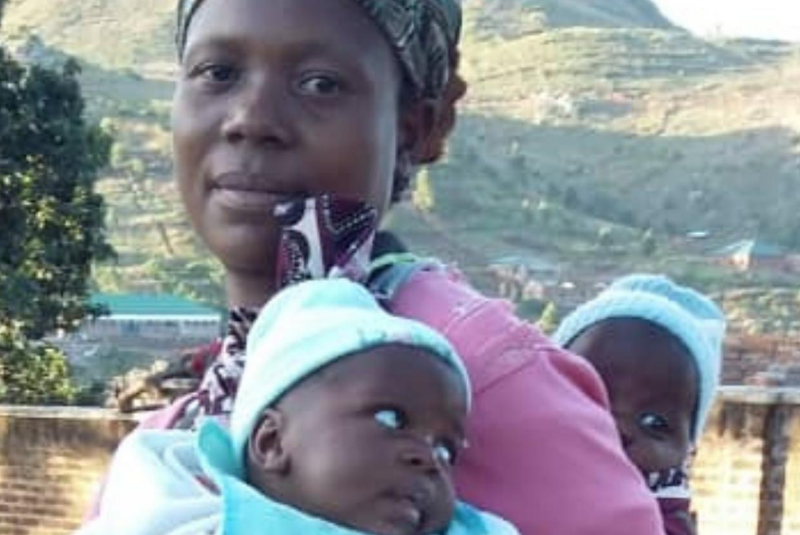
Dose-finding trial paves way for novel rotavirus vaccine to prevent a deadly diarrhoeal disease from birth
Researchers from the Murdoch Children's Research Institute (MCRI), the Malawi Liverpool Wellcome...
Read more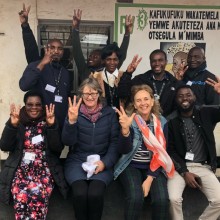
Leader in Rotavirus research recognised with national award
Murdoch Children's Research Institute's (MCRI)Professor Julie Bines, has been recognised as a...
Read more
Rotavirus vaccination leads to reduced hospitalisations, fewer infant deaths
Vaccination against rotavirus has led to a significant decrease in hospitalisations and deaths...
Read more
Rotavirus licensing agreement signed with new pharmaceutical company
A Melbourne-developed vaccine with the potential to save thousands of lives is to be...
Read more
Australian researchers successfully develop a rotavirus vaccine which could benefit millions of children
Diarrhoea is one of the leading causes of child illness and death, and rotavirus is the most...
Read moreShare //