VITALITY Trial
- Project status: Active
Research area: Population Health > Population Allergy

The VITALITY Trial aims to determine if vitamin D supplementation leads to a reduction in challenge-proven food allergy.
Australia has the highest rate of childhood food allergy in the world, but the reason for this is largely unknown.
To help close our knowledge gaps, the VITALITY Trial is investigating the relationship between vitamin D, allergic diseases and immune health.
Recruitment for the VITALITY Trial has now closed, with results expected to be published from late 2023 onwards.
Australia has the highest rate of childhood food allergy in the world, but the reason for this is largely unknown.
To help close our knowledge gaps, the VITALITY Trial is investigating the relationship between vitamin D, allergic diseases and immune...
Australia has the highest rate of childhood food allergy in the world, but the reason for this is largely unknown.
To help close our knowledge gaps, the VITALITY Trial is investigating the relationship between vitamin D, allergic diseases and immune health.
Recruitment for the VITALITY Trial has now closed, with results expected to be published from late 2023 onwards.
The VITALITY Trial was established in 2014 to determine whether a daily dose of vitamin D in the first year of life can prevent infant food allergy, lower respiratory infections and eczema.
Children are now being followed up when they turn six to assess vitamin D’s effects on asthma, lung function and oral health.
Using extensive data and biospecimens collected overtime, our researchers aim to discover how vitamin D could be used to prevent allergies and other atopic diseases, and sustain childhood immune health as participants get older.
Between 2014 and 2022, 2,739 babies aged between six and 12 weeks – who were breastfed and not taking vitamin D – were enrolled in the trial at Murdoch Children’s Research Institute.
Each infant was given a daily drop of vitamin D or placebo until they were 12 months old when they were offered a clinic visit, including free allergy testing and an eczema assessment.
Parents also completed questionnaires about demographic and environmental risk factors, allergic disease and infant feeding behaviours. VITALITY has also collected an extensive range of biospecimens, including blood, skin and nasal swabs, stool and breastmilk at multiple timepoints.
Recruitment closed in 2022, and the final data was collected in 2023. The study team continues to analyse samples and surveys with new results and publications emerging.
As participants get older, VITALITY provides a unique opportunity to explore early-life risk factors, including genetic and environmental markers for food allergy, eczema, asthma, hay fever and other chronic diseases, and understand the role of vitamin D as an early-life preventative strategy for these – and many other – conditions.
Six-year follow-up
In 2022, the team began the age six follow-up to also explore the effects of vitamin D on asthma, lung function and children’s developing teeth.
VITALITY participants are again invited to attend a clinic visit for free allergy testing, as well as lung function, eczema and dental assessments and blood collection.
Watch Eddie's six-year follow-up clinic visit
More resources
The VITALITY Trial six-year follow-up involves a parent questionnaire and a visit to our allergy clinic at The Royal Children’s Hospital in Parkville, where your child receives a free skin prick test (SPT), lung function testing and a dental assessment.
The study team aims to follow up every child who took part in the original VITALITY Trial, even if they:
- Stopped taking the vitamin D drops before 12 months or did not fully take part in the original study
- Have or have not developed allergies
- Have moved interstate or overseas
If families are unable to attend the allergy clinic for any reason, the team still values your participation in the parent questionnaire.
When you receive our email, please complete the consent so that we can send the questionnaire and arrange a convenient time for you to attend the clinic.
Principle Investigator

Chief Investigators
- Associate Professor Rachel Peters
- Professor Katie Allen
- Professor Sarath Ranganathan
- Associate Professor Jennifer Koplin
- Professor Mimi Tang
- Dr Victoria Soriano
- Professor Katherine Lee
- Professor Adrian Lowe
- Professor Shyamali Dharmage
Associate Investigators
- Dr Tim Brettig
- Dr Vicki McWilliam
- Professor Richard Saffery
- Professor Kim Dalziel
- Professor Anne-Louise Ponsonby
- Maria Said
- Anthony Flynn
- Debbie Sevels
Team members
- Dr Angela Young, Program Manager
- Dr Jana Eckert, Study Coordinator, part 1
- Deborah Anderson, Study Coordinator, part 2
- Ahelee Rahman
- Audrey Walsh
- Dr Amanda Day
- Dr Julia Payne
- Emma Bouman
- Erin Hill
- Meredith Pelosi
- Sarah Fowler
- Tash Gellis
- Toni Veale
Collaborators
- Murdoch Children’s Research Institute
- The University of Melbourne
- The Royal Children’s Hospital, Melbourne
Funding
Thank you to our partners and supporters. This work is supported by:
- Angior Foundation
- DHB foundation
- Epworth Medical Foundation
- Isabel and John Gilbertson Charitable Trust
- Kimberly Foundation Australia
- Ilhan Food Allergy Foundation
- Murdoch Children’s Research Institute
- National Health and Medical Research Council (NHMRC) Australia (APP1146913)
- National Institute of Allergy and Infectious Diseases (NIAID)
- National Institute of Health (NIH) Immune Tolerance Network (5UM1AI109565-05)
- Thelma and Paul Constantinou Foundation
- Rotary Club of Camberwell
- Other Philanthropic donations.
Deborah Anderson, Study coordinator
Murdoch Children's Research Institute
The Royal Children's Hospital
50 Flemington Road
Parkville VIC 3052
Australia
Phone:
show phone number
Email:
show email address
Food allergy newsroom

Vale Patricia Ilhan
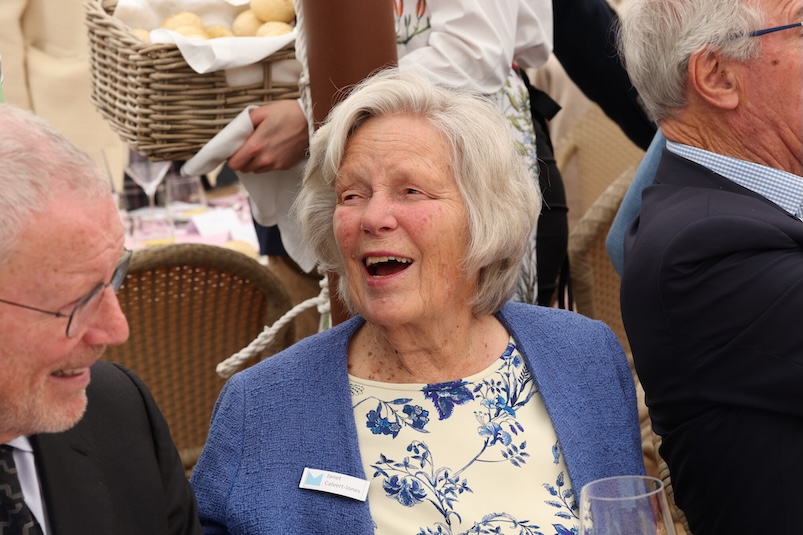
MCRI community recognised in 2026 Kings Birthday Honours
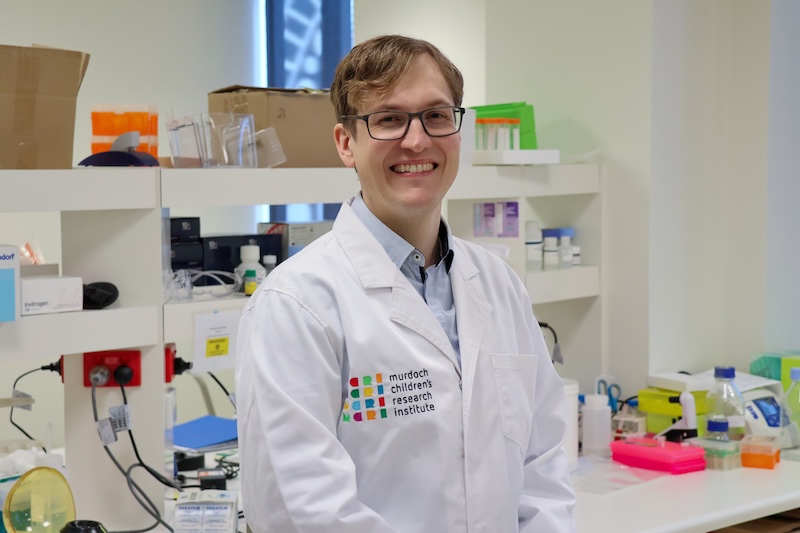
Dr Craig McKenzie wins global allergy research award
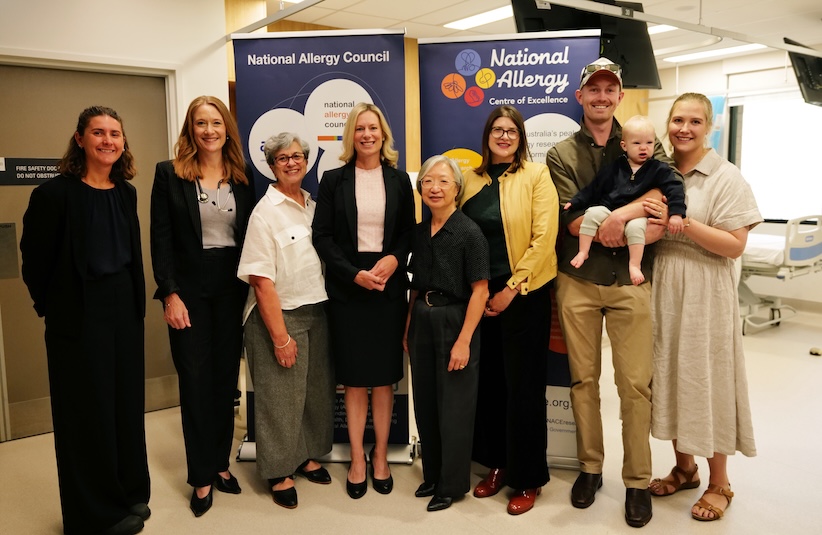
Federal Government commits $14.6 million to combat allergy crisis
Vale Professor Katie Allen

The RiskED Study

AIFA allergy grants for Drs Melanie Lloyd and Craig McKenzie
National allergy rates climb costing $18.9b in financial losses
New trial aims to reduce hay fever symptoms for young people

Upskilling pharmacists in child health care

Share //