
RV3-BB rotavirus vaccine could save millions of babies worldwide
Committed to reducing the global burden of rotavirus
Rotavirus is a leading cause of severe diarrhoea in young children, resulting in significant illness and even death worldwide.
Our mission is to reduce the global burden of rotavirus through groundbreaking research, innovative vaccines, and effective prevention strategies.
We are committed to ensuring that every child, regardless of where they live, has access to life-saving vaccines and treatments.
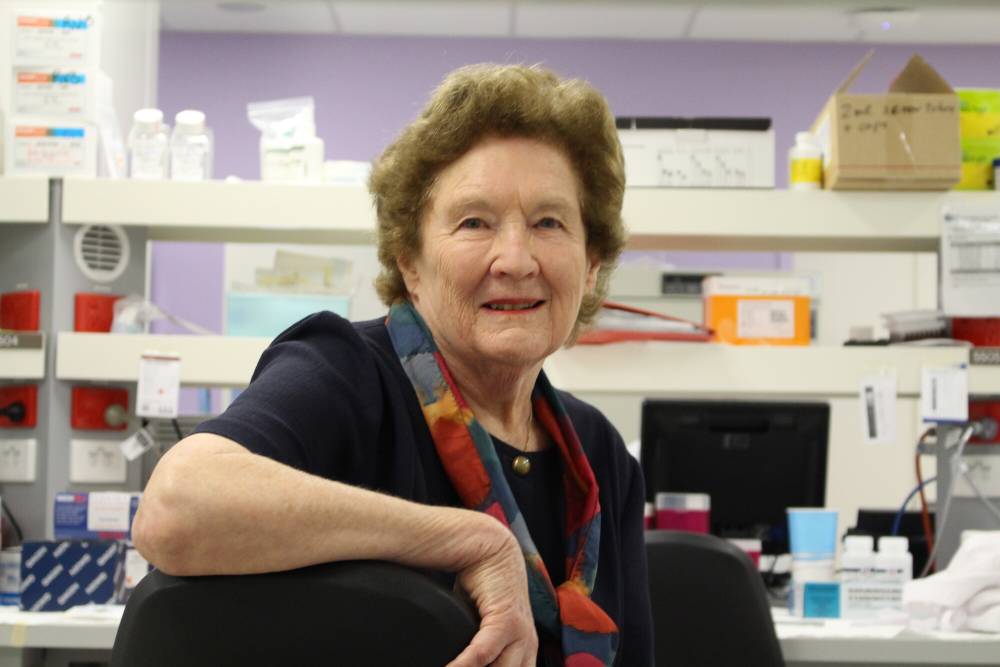
Image: The late Professor Ruth Bishop in MCRI lab.
Rotavirus is a leading cause of severe diarrhoea in young children, resulting in significant illness and even death worldwide.
Our mission is to reduce the global burden of rotavirus through groundbreaking research, innovative vaccines, and effective...
Rotavirus is a leading cause of severe diarrhoea in young children, resulting in significant illness and even death worldwide.
Our mission is to reduce the global burden of rotavirus through groundbreaking research, innovative vaccines, and effective prevention strategies.
We are committed to ensuring that every child, regardless of where they live, has access to life-saving vaccines and treatments.
Image: The late Professor Ruth Bishop in MCRI lab.
The discovery that transformed global child health
In 1973, in Melbourne, Professor Ruth Bishop made a breakthrough that changed paediatric medicine: she identified rotavirus as the leading cause of severe gastroenteritis in young children. This discovery paved the way for the first rotavirus vaccines that helped close gastroenteritis wards across Australian hospitals.
Even with global progress, rotavirus is still the world’s leading cause of fatal diarrhoeal disease in children under five, with hundreds of thousands of preventable deaths occurring annually in communities where healthcare access is limited.
RV3-BB rotavirus vaccine
In many low‑income regions, birth is often the only reliable point of contact between families and health services. This makes the newborn period a powerful and underused opportunity for vaccination. To close this protection gap, our researchers developed a next‑generation rotavirus vaccine: RV3‑BB.
A major clinical trial in Indonesia tested three doses of RV3‑BB, with the first given within the first five days of life. The results were remarkable:
- 94 percent protection against severe rotavirus gastroenteritis in the first year of life
- 75 percent protection up to 18 months of age
These findings show that vaccinating at birth could offer life‑saving protection during the most vulnerable early months. The vaccine has has been proven to be safe and effective in clinical trials in Australia, New Zealand, Indonesia and Malawi. Rotavirus vaccine research has been supported by the Gates Foundation.
Our global impact
The identification of rotavirus remains one of Australia’s most significant contributions to global child health. The development of both the original vaccine and the new RV3‑BB candidate reflects more than 40 years of research led by the Murdoch Children’s Research Institute, The Royal Children’s Hospital, and the University of Melbourne.
The RV3-BB vaccine is not only part of Australia's National Immunisation Program but is also recommended by the World Health Organization (WHO) for all children.
Our research has demonstrated that early vaccination, starting within the first five days of life, can protect infants from severe rotavirus infections, especially in low-resource settings.
Together we can bring this vaccine to all children
Unlike many vaccines, RV3‑BB is being developed by academic institutions, not pharmaceutical companies, ensuring the focus remains on global equity and access. This work is critical, as tens of millions of infants still lack access to rotavirus vaccination.
To reach children everywhere, we are now seeking manufacturing partners who can license and produce RV3‑BB at scale, helping meet worldwide demand and bringing us closer to a future where no child dies from a preventable diarrhoeal disease.
Recent discoveries
Most recently we have discovered that RV3-BB rotavirus vaccine given at birth positively impacts gut bacteria. Babies who receive a RV3-BB rotavirus vaccine at birth showed higher levels of good bacteria in their gut, better protecting them against infection during the first weeks of life. For more information see the publication below:
Josef Wagner, Amanda Handley, Celeste M. Donato, Eleanor A. Lyons, Daniel Pavlic, Darren Suryawijaya Ong, Rhian Bonnici, Nada Bogdanovic-Sakran, Edward P. K. Parker, Christina Bronowski, Jarir At Thobari, Cahya Dewi Satria, Hera Nirwati, Desiree Witte, Khuzwayo C. Jere, Ashley Mpakiza, Emma Watts, Ann Turner, Karen Boniface, Jonathan Mandolo, Frances Justice, Naor Bar-Zeev, Miren Iturriza-Gomara, Jim P. Buttery, Nigel A. Cunliffe, Yati Soenarto and Julie E. Bines, ‘Early-life gut microbiome associates with positive vaccine take and shedding in neonatal schedule of the human neonatal rotavirus vaccine RV3-BB,’ Nature Communications. DOI: 10.1038/s41467-025-58632-6
More resources
- Learn more about rotavirus research
- Enteric Disease research group
- Professsor Julie Bines
- Meet our brilliant minds: Professor Ruth Bishop and Professor Graeme Barnes
- Vale Professor Ruth Bishop AC BSc MSc PhD DSc
- Ruth Bishop receives Queen's Birthday Honour
- The Parkville Storytelling Project recognises Professor Ruth Bishop
Rotavirus newsroom
MCRI WHO Collaborating Centre for Child Health continues

RV3-BB rotavirus vaccine given at birth positively impacts gut bacteria
MCRI and Incepta Pharmaceuticals partner to protect children from rotavirus
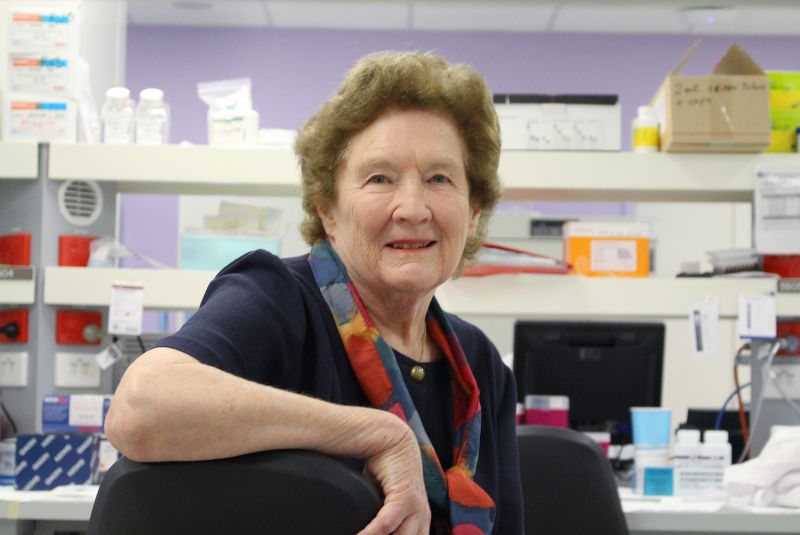
New Ruth Bishop Fellowship created to honour her legacy
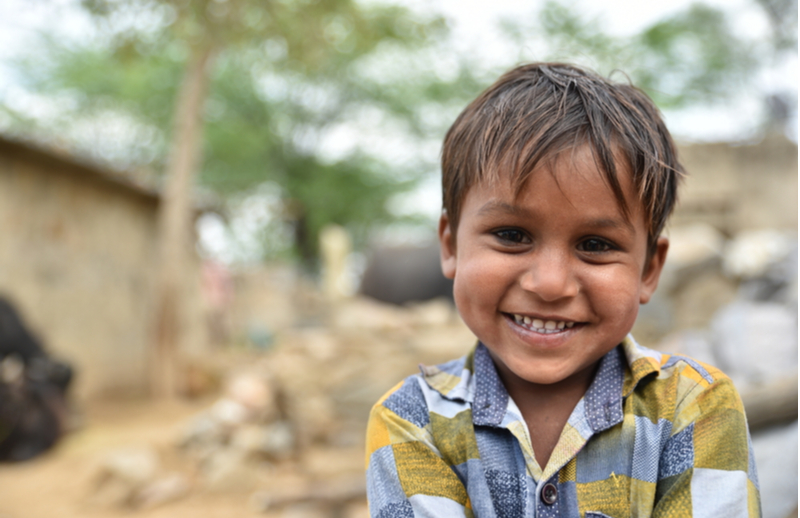
Asia-Pacific Health
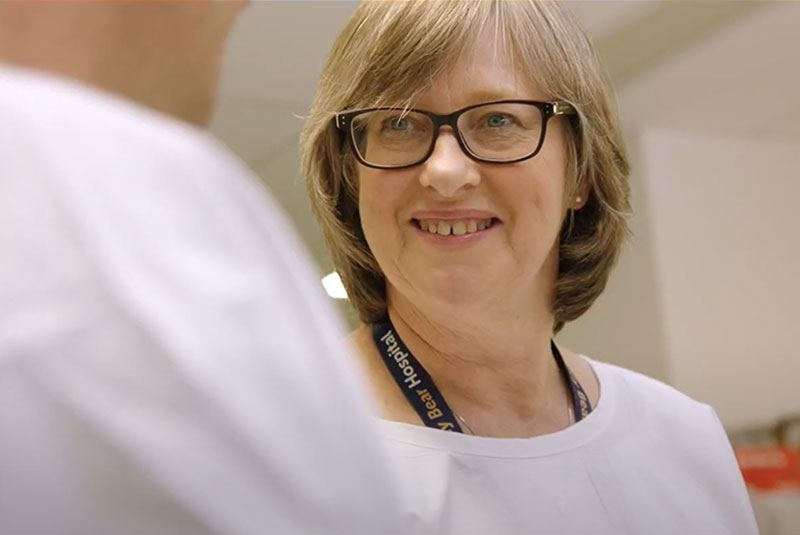
Preventing Rotavirus in children in Australia and around the world

Dose-finding trial paves way for novel rotavirus vaccine to prevent a deadly diarrhoeal disease from birth
Leader in Rotavirus research recognised with national award
Rotavirus vaccination leads to reduced hospitalisations, fewer infant deaths
Rotavirus licensing agreement signed with new pharmaceutical company