Rare Disease Discovery Research
Transforming rare disease diagnosis and care through genomic discovery
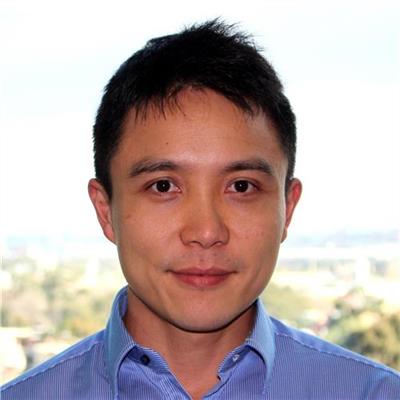
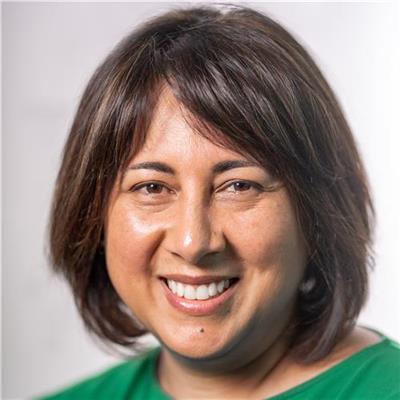
The Rare Disease Discovery group at Murdoch Children’s Research Institute (MCRI), led by Professors Tiong Tan and Sue White, brings together more than 35 years of clinical genetics experience.
Our team is dedicated to improving the lives of children with undiagnosed rare diseases through cutting-edge genomic research and clinical care.
Why this work matters
Although genomic technologies have transformed diagnosis, challenges remain. Precise diagnosis is crucial for rare disease care. It ends the often long and difficult diagnostic journey for families, enables informed management decisions, and helps avoid unnecessary investigations.
Our goals
We aim to:
- Provide diagnoses and optimal care for children with rare and undiagnosed conditions using advanced genomic technologies.
- Access to the latest research and therapies for all individuals with rare diseases.
- Build capacity in the health system by supporting clinicians and researchers.
- Collaborate with various groups to transform the rare disease care system.
Research focus
Advanced multi-omics technologies such as long-read genome sequencing and proteomics, have the potential to significantly enhance rare disease diagnoses.
Our group is committed to integrating these tools into clinical care and evaluating their impact on improving outcomes for children and families.
Our objectives
- Innovate: Use new technologies to find diagnoses in undiagnosed children.
- Collaborate: Engage with health professionals for skill development and connect with global researchers.
- Transform: Implement a whole-of-system approach to accelerate rare disease care.
More information
Contact us
For more information on the Rare Disease Discovery research group, please get in touch with us.
Rare Disease Coordinator
Email:
show email address
Phone:
show phone number
Group Leaders

Team Leaders
Group Members


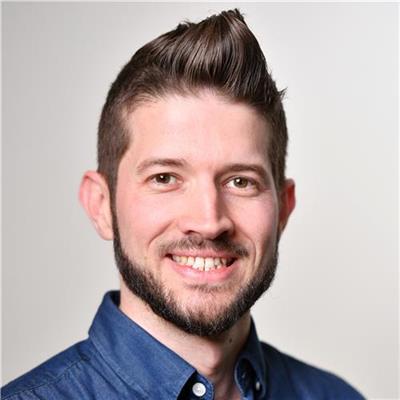
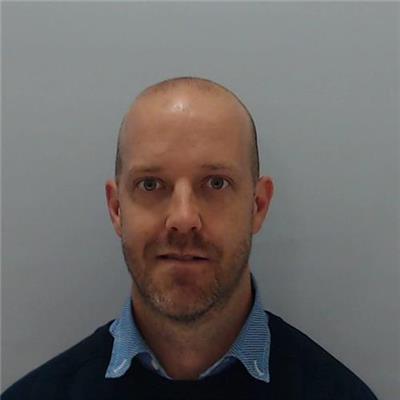
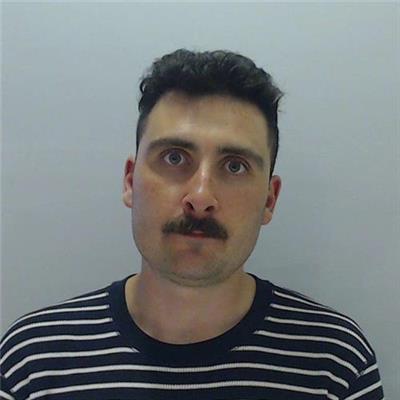
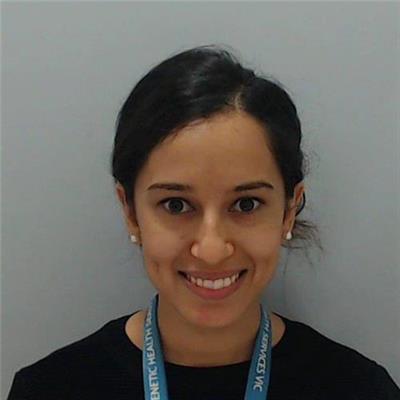
Our projects
Rare Diseases Now (RDNow)
RDNow initiative helps children who remain undiagnosed after genomic tests like exome sequencing (used to investigate complex health and developmental problems). This gives them the best chance of receiving a diagnosis and accessing the latest clinical trials and treatments.
RDNow provides genomic diagnoses and personalised care to children at The Royal Children’s Hospital (RCH). Using the expertise of the Murdoch Children's Research Institute (MCRI) and Victorian Clinical Genetics Services (VCGS).
Read more...National Long-Read Genome Sequencing Program
This project is a collaboration with researchers around Australia to use a new form of DNA sequencing called long-read sequencing to try to help make diagnoses in children with undiagnosed rare disease. Long-read sequencing can read longer segments of DNA, which can help our team detect certain types of DNA rearrangements not visible on short-read testing, which is the main form of sequencing currently in use.
RDMassSpec: A functional genomics platform for solving rare genetic disorders
The RDMassSpec project aims to show the benefit of using mass spectrometry to increase diagnostic rates in patients with undiagnosed rare monogenic disorders (disorders caused by the inheritance of single gene variants). Looking at the proteins (proteomic testing) or metabolites (metabolomic testing) can help to understand the cause of their rare disease.
UDN-Aus: An internationally networked national approach for transforming diagnosis for individuals living with rare disease
UDN-Aus is a national program offering innovative, interdisciplinary approaches to families who remain undiagnosed after initial clinical genomic sequencing.
PERSYST: Pathogenic Evaluation of Recalcitrant Variants by Systematic Transactivation
More than 1,000 rare disease genes are not expressed in tissue that is easily accessible from a patient. The PERSYST study uses specialised cell technologies to make skin or blood cells ‘turn on’ the message coded by these genes to help understand if the gene is causing the rare disease.
Funding
Thank you to our supporters.
- The Royal Children’s Hospital Foundation
- Genomics Health Futures Mission, Medical Research Future Fund
- Pierce Armstrong Foundation
- Centre for Population Genomics
- The Andrew and Geraldine Buxton Foundation
- The Fox Family Foundation
- Murdoch Children’s Research Institute
Collaborations
We partner with leading institutions worldwide, including:
- Victorian Clinical Genetics Services
- The Royal Children’s Hospital (RCH)
- Centre for Population Genomics
- The Garvan Institute of Medical Research
- Bio21 Institute, The University of Melbourne
- Centre for Human Genetics, Keio University School of Medicine
- The University of Adelaide
- Broad Institute Center for Mendelian Genomics
- International Precision Child Health Partnership (IPCHiP)
Feature publications
Stephenson SEM, Costain G, Blok LER, Silk MA, Nguyen TB, Dong X, Alhuzaimi DE, Dowling JJ, Walker S, Amburgey K, Hayeems RZ, Rodan LH, Schwartz MA, Picker J, Lynch SA, Gupta A, Rasmussen KJ, Schimmenti LA, Klee EW, Niu Z, Agre KE, Chilton I, Chung WK, Revah-Politi A, Au PYB, Griffith C, Racobaldo M, et al. Germline variants in tumour suppressor FBXW7 lead to impaired ubiquitination and a neurodevelopmental syndrome. Am J Hum Genet. 2022 Apr 7;109(4):601-617. doi: 10.1016/j.ajhg.2022.03.002.
Cloney T, Gallacher L, Pais LS, Tan NB, Yeung A, Stark Z, Brown NJ, McGillivray G, Delatycki MB, de Silva MG, Downie L, Stutterd CA, Elliott J, Compton AG, Lovgren A, Oertel R, Francis D, Bell KM, Sadedin S, Lim SC, Helman G, Simons C, Macarthur DG, Thorburn DR, O'Donnell-Luria AH, Christodoulou J, White SM, Tan TY. Lessons learned from multifaceted diagnostic approaches to the first 150 families in Victoria’s Undiagnosed Diseases Program. J Med Genet. 2021 Nov 5:jmedgenet-2021-107902. doi: 10.1136/jmedgenet-2021-107902.
White SM, Bhoj E, Nellåker C, Lachmeijer AMA, Marshall AE, Boycott KM, Li D, Smith W, Hartley T, McBride A, Ernst ME, May AS, Wieczorek D, Abou Jamra R, Koch-Hogrebe M, Õunap K, Pajusalu S, van Gassen KLI, Sadedin S, Ellingwood S, Tan TY, Christodoulou J, Barea J, Lockhart PJ; Care4Rare Canada Consortium, Nezarati MM, Kernohan KD. A DNA repair disorder caused by de novo monoallelic DDB1 variants is associated with a neurodevelopmental syndrome. Am J Hum Genet. 2021 Apr 1;108(4):749-756. doi: 10.1016/j.ajhg.2021.03.007.
Tan NB, Pagnamenta AT, Ferla MP, Gadian J, Chung BH, Chan MC, Fung JL, Cook E, Guter S, Boschann F, Heinen A, Schallner J, Mignot C, Keren B, Whalen S, Sarret C, Mittag D, Demmer L, Stapleton R, Saida K, Matsumoto N, Miyake N, Sheffer R, Mor-Shaked H, Barnett CP, Byrne AB, Scott HS, Kraus A, Cappuccio G, Brunetti-Pierri N, Iorio R, Di Dato F, Pais LS, Yeung A, Tan TY, Taylor JC, Christodoulou J, White SM. Recurrent de novo missense variants in GNB2 can cause syndromic intellectual disability. J Med Genet. 2021 Jun 28:jmedgenet-2020-107462. doi: 10.1136/jmedgenet-2020-107462.
Dong X, Tan NB, Howell KB, Barresi S, Freeman JL, Vecchio D, Piccione M, Radio FC, Calame D, Zong S, Eggers S, Scheffer IE, Tan TY, Van Bergen NJ, Tartaglia M, Christodoulou J, White SM. (2020) Biallelic loss-of-function NRROS variants impairing active TGF-β1 delivery cause a severe infantile onset neurodegenerative condition with intracranial calcification. Am J Hum Genet. doi: 10.1016/j.ajhg.2020.02.014
Rare disease news
Prof Daniel MacArthur receives MRFF grant for rare disease research
New tool key to diagnosis
Genomic tool highly effective at detecting rare disease diagnoses
Bioinformatics

Automated reanalysis in rare disease
Life with an ultra-rare condition
Associate Professor Katie Ayers awarded Rebecca Cooper Fellowship
NHMRC Ideas Grants to advance childhood treatments and diagnoses
Resilience forged against rare condition