Heart Regeneration
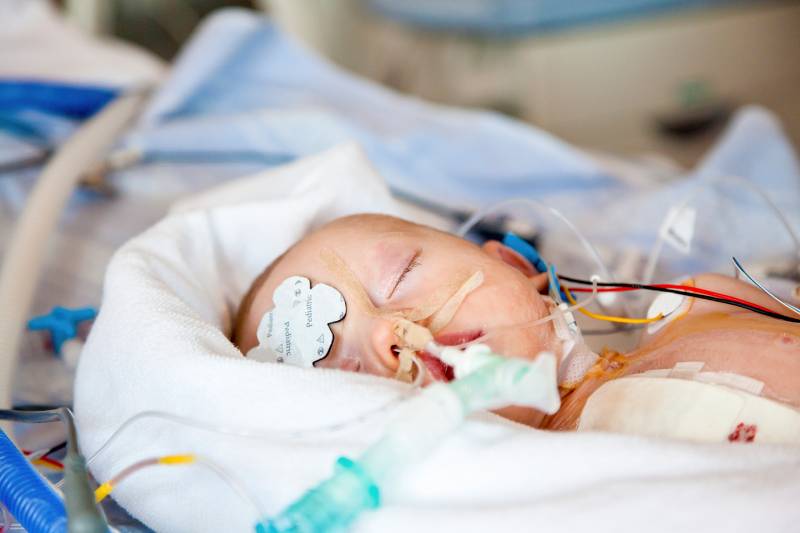
Our vision is to transform the treatment of childhood heart disease using stem cell technologies.
Frontline therapies for childhood heart disease have not changed in over 30 years. The Heart Regeneration and Heart Disease Team aim to transform the treatment of childhood heart disease using stem cell technologies.
Our laboratory harnesses the power of pluripotent stem cells to create human models of disease as a platform for therapeutic development. Our research pipeline spans the full spectrum from the operating theatre to the single cell, taking full advantage of the unique capacity of the Melbourne Children’s campus.
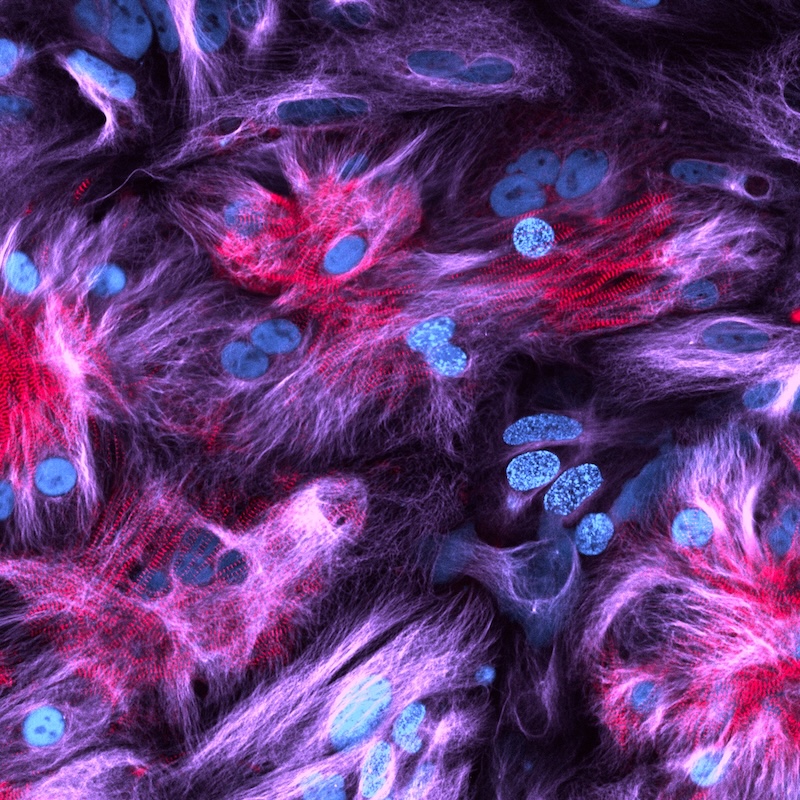
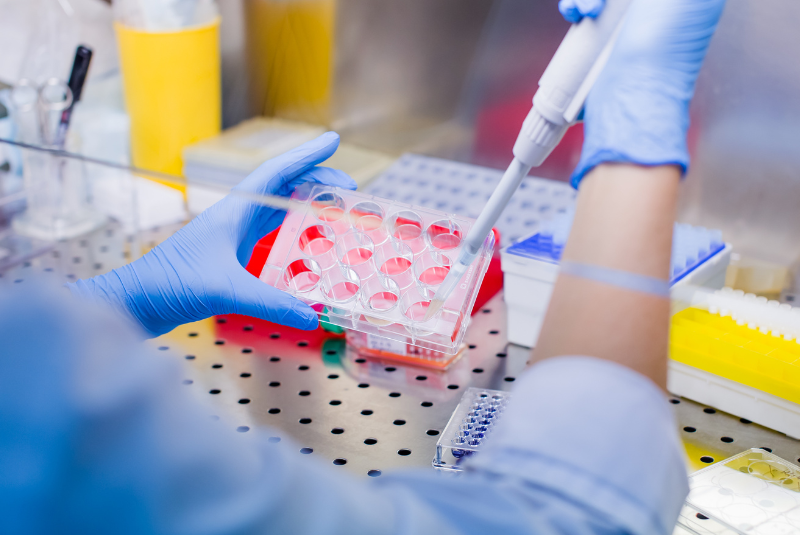
The Team are generating heart organoids from patient stem cells, which can investigate genetic causes of childhood heart disease in patients, as well as to screen for drugs that damage or regenerate heart tissue.
Finally, we are also harnessing the regenerative potential of stem cells to create bioengineered heart tissue to treat heart failure in children.
Dr Holly Voges explains her rheumatic heart disease research
More information
- Visit our Heart Disease page
- Learn more about our Melbourne Children’s collaborations at the Heart Failure Flagship
- Visit our A-Z on childhood heart disease
- Learn more about Stem Cell Medicine
- Our team collaborates with reNEW on several core projects
Contact us
For more information on Heart Disease research, please contact us.
Adam Piers, Program Manager
Email:
show email address
Theme Director

Team Leaders


Group Members












Our projects
Decoding Broken Hearts
The Decoding Broken Hearts project is a collaboration between MCRI and Gladstone Institutes in San Francisco, which utilises stem cell technology and artificial intelligence to understand and treat the underlying causes of childhood heart disease.
Decoding Broken Hearts is a global collaboration to accelerate and transform precision therapies for childhood heart disease.
Read more...
Generating bioengineered heart valves to treat childhood heart disease
This study seeks to benchmark lab-grown induced pluripotent stem cell-derived bioengineered heart valve tissue with current prosthetics, with the aim to create a better option for heart valve replacement.
Read more...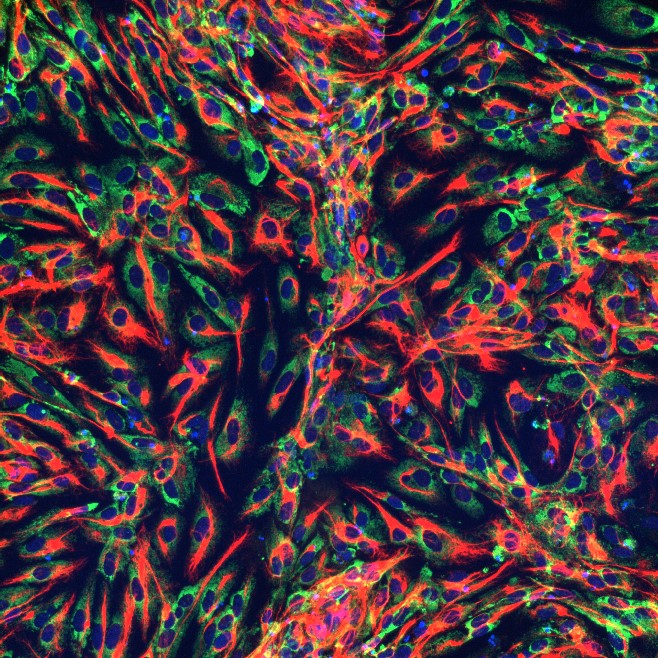
Studying rheumatic heart disease in a dish
This research uses induced pluripotent stem cell-derived models of heart valve tissue to understand the role the immune system plays in Rheumatic heart disease (RHD) and advance treatments to improve the lives of people living with RHD.
Read more...Treating heart failure using bioengineered heart tissue
Current medical therapies provide symptomatic relief but fail to treat the underlying causes of heart failure. For the last 50 years, heart transplantation has remained the only effective treatment in advanced disease. However, transplantation is limited by organ donor shortages, highlighting the urgent clinical need for next-generation therapies.
Our team have developed a novel technology to generate human heart tissue patches from stem cells. These patches result in an ~ 3-fold improvement in heart function in pre-clinical models of heart failure when compared with competitor products currently in clinical trials. We now wish to commercialise this technology to transition towards a clinical grade manufacturing process to advance our product into human clinical trials.
Performing high throughput drug screening in stem cell model-derived cardiac tissues to identify new treatments for patients
Our team have developed protocols for generating 3D human cardiac organoids from induced pluripotent stem cells which more closely recapitulate the native tissue architecture, cellular composition, and physiology of the heart.
Using this model system, we have been able to perform high throughput drug screening with our reNEW 30,000 compound library to identify novel molecules for treating different types of childhood heart disease.Our group also uses human cardiac organoids to model key aspects of human heart development including regeneration and maturation. The goal of this work is to identify a drug or molecule that can stimulate heart muscle cells to divide and regenerate in children with heart disease.
Funding
- National Health and Medical Research Council (NHMRC)
- Australian Research Council (ARC)
- Medical Research Future Fund (MRFF)
- RCH Foundation
- HeartKids
- Heart Foundation
- reNEW
- Loti and Victor Smorgon Family Foundation
Collaborations
- Ben Parker, University of Melbourne
- James Hudson, QIMR Berghofer Medical Research Institute
- Paul Gregorevic, University of Melbourne
- Michael Cheung, The Royal Children's Hospital (RCH)
- Robert Weintraub, RCH
- Christian Brizard, RCH
Key publications
Pocock MW, Reid JD, Robinson HR, Charitakis N, Krycer JR, Foster SR, Fitzsimmons RL, Lor M, Devilée LAC, Batho CAP, Tuano N, Howden SE, Vlahos K, Watt KI, Piers AT, Bibby K, McNamara JW, Sutton R, Iaprintsev V, Mathew J, Voges HK, Fortuna PRJ, Bass-Stringer S, Vivien C, Rae J, Parton RG, Firulli AB, Lisowski L, Huckstep H, Humphrey SJ, Lal S, Konstantinov IE, Weintraub RG, Elliott DA, Ramialison M, Porrello ER, Mills RJ, Hudson JE. Maturation of human cardiac organoids enables complex disease modeling and drug discovery. Nat Cardiovasc Res. 2025 Jul;4(7):821-840. doi: 10.1038/s44161-025-00669-3. Epub 2025 Jun 25. PMID: 40562874; PMCID: PMC12259470.
Mehdiabadi NR, Boon Sim C, Phipson B, Kalathur RKR, Sun Y, Vivien CJ, Ter Huurne M, Piers AT, Hudson JE, Oshlack A, Weintraub RG, Konstantinov IE, Palpant NJ, Elliott DA, Porrello ER. Defining the Fetal Gene Program at Single-Cell Resolution in Pediatric Dilated Cardiomyopathy. Circulation. 2022 Oct 4;146(14):1105-1108. doi: 10.1161/CIRCULATIONAHA.121.057763. Epub 2022 Oct 3. PMID: 36191067; PMCID: PMC9528943.
Mills RJ, Humphrey SJ, Fortuna PRJ, Lor M, Foster SR, Quaife-Ryan GA, Johnston RL, Dumenil T, Bishop C, Rudraraju R, Rawle DJ, Le T, Zhao W, Lee L, Mackenzie-Kludas C, Mehdiabadi NR, Halliday C, Gilham D, Fu L, Nicholls SJ, Johansson J, Sweeney M, Wong NCW, Kulikowski E, Sokolowski KA, Tse BWC, Devilée L, Voges HK, Reynolds LT, Krumeich S, Mathieson E, Abu-Bonsrah D, Karavendzas K, Griffen B, Titmarsh D, Elliott DA, McMahon J, Suhrbier A, Subbarao K, Porrello ER, Smyth MJ, Engwerda CR, MacDonald KPA, Bald T, James DE, Hudson JE. BET inhibition blocks inflammation-induced cardiac dysfunction and SARS-CoV-2 infection. Cell. 2021 Apr 15;184(8):2167-2182.e22. doi: 10.1016/j.cell.2021.03.026. Epub 2021 Mar 16. PMID: 33811809; PMCID: PMC7962543.
Sim CB, Phipson B, Ziemann M, Rafehi H, Mills RJ, Watt KI, Abu-Bonsrah KD, Kalathur RKR, Voges HK, Dinh DT, Ter Huurne M, Vivien CJ, Kaspi A, Kaipananickal H, Hidalgo A, Delbridge LMD, Robker RL, Gregorevic P, Dos Remedios CG, Lal S, Piers AT, Konstantinov IE, Elliott DA, El-Osta A, Oshlack A, Hudson JE, Porrello ER. Sex-Specific Control of Human Heart Maturation by the Progesterone Receptor. Circulation. 2021 Apr 20;143(16):1614-1628. doi: 10.1161/CIRCULATIONAHA.120.051921. Epub 2021 Mar 8. PMID: 33682422; PMCID: PMC8055196.
Mills RJ, Parker BL, Quaife-Ryan GA, Voges HK, Needham EJ, Bornot A, Ding M, Andersson H, Polla M, Elliott DA, Drowley L, Clausen M, Plowright AT, Barrett IP, Wang QD, James DE, Porrello ER, Hudson JE. Drug Screening in Human PSC-Cardiac Organoids Identifies Pro-proliferative Compounds Acting via the Mevalonate Pathway. Cell Stem Cell. 2019 Jun 6;24(6):895-907.e6. doi: 10.1016/j.stem.2019.03.009. Epub 2019 Mar 28. PMID: 30930147.
Quaife-Ryan GA, Sim CB, Ziemann M, Kaspi A, Rafehi H, Ramialison M, El-Osta A, Hudson JE, Porrello ER. Multicellular Transcriptional Analysis of Mammalian Heart Regeneration. Circulation. 2017 Sep 19;136(12):1123-1139. doi: 10.1161/CIRCULATIONAHA.117.028252. Epub 2017 Jul 21. PMID: 28733351; PMCID: PMC5598916.
Mills RJ, Titmarsh DM, Koenig X, Parker BL, Ryall JG, Quaife-Ryan GA, Voges HK, Hodson MP, Ferguson C, Drowley L, Plowright AT, Needham EJ, Wang QD, Gregorevic P, Xin M, Thomas WG, Parton RG, Nielsen LK, Launikonis BS, James DE, Elliott DA, Porrello ER, Hudson JE. Functional screening in human cardiac organoids reveals a metabolic mechanism for cardiomyocyte cell cycle arrest. Proc Natl Acad Sci U S A. 2017 Oct 3;114(40):E8372-E8381. doi: 10.1073/pnas.1707316114. Epub 2017 Sep 15. PMID: 28916735; PMCID: PMC5635889.
Voges HK, Mills RJ, Elliott DA, Parton RG, Porrello ER, Hudson JE. Development of a human cardiac organoid injury model reveals innate regenerative potential. Development. 2017 Mar 15;144(6):1118-1127. doi: 10.1242/dev.143966. Epub 2017 Feb 7. PMID: 28174241.
Heart news

Australia’s first guidelines to target high blood pressure in children

From checkout to children’s heart research
Preventing cardiovascular disease risk from birth across the life course

MCRI’s 40th Anniversary Gala celebrates four decades of discovery

Multi-pronged plan to address childhood obesity crisis

Accelerating discoveries into genetic and childhood heart diseases
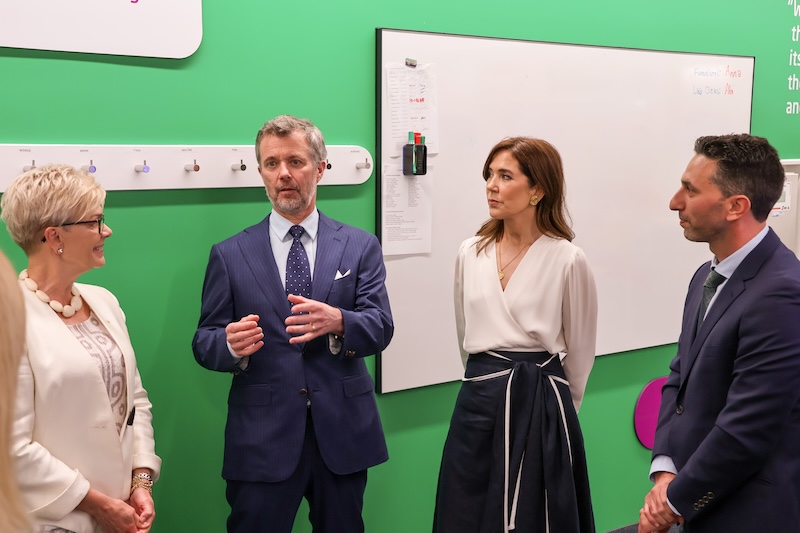
Denmark’s Queen Mary and King Frederik tour MCRI
New biotech company to accelerate treatments for heart disease

Celebrating Australian excellence across the arts and sciences

Artwork from the heart
Heart Foundation Future Leader fellowship for Dr Holly Voges