Rare Disease Flagship
For all people living with a rare, indeterminate disease to receive an accurate diagnosis, care, and available therapy within one year of coming to medical attention.

Rare disease and children
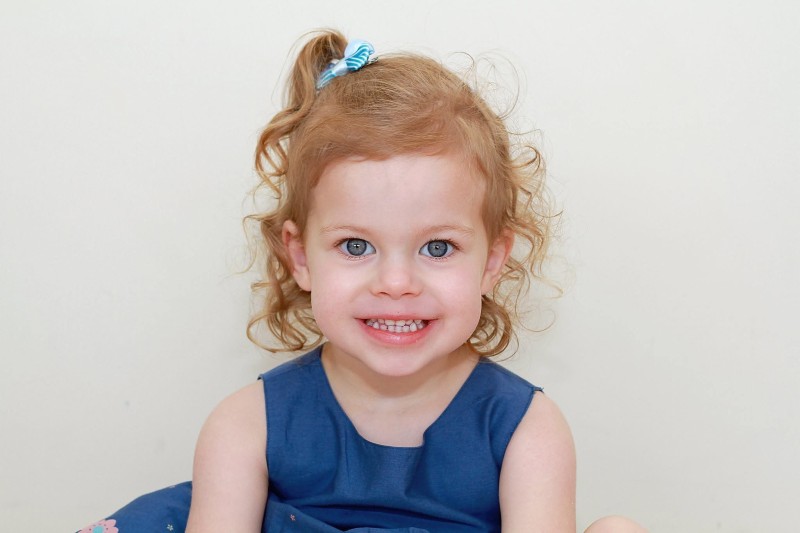
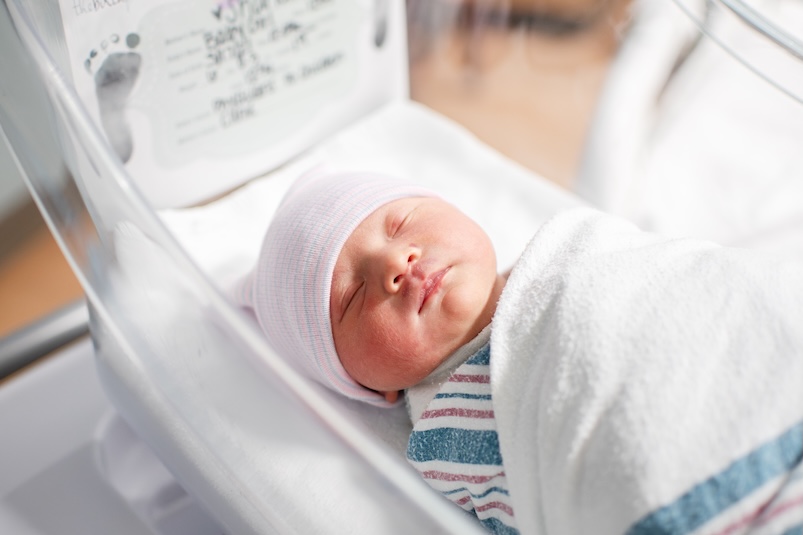
At least one in 12 babies is born with a rare disease. There are over 6,000 known rare diseases and 75 percent affect children. The causes of many of these diseases remain unexplained — 30 percent of affected children will die before they are 5.
Despite the progress in the diagnosis of rare diseases, and in genetic and genomic research, many Australian families still do not have access to genomic testing. When families do get a diagnosis, many rare diseases have no treatment options.
Interventions that improve outcomes for children with genetic rare diseases require an early, rapid and accurate genetic diagnosis. Rapid genetic diagnosis provides benefits to patients and families, and economic benefits to the health care system.
In Australia, current delays in obtaining an accurate genetic diagnosis prevent early interventions, personalised care and future family planning.
Our vision
All people living with a rare, undiagnosed disease to receive an accurate diagnosis, care, and available therapy within one year of coming to medical attention.
Our aim
We aim for a rare diseases program that facilitates:
- discovery of novel disease genes, mechanisms and treatments
- engagement with clinicians, researchers and consumers
- translation of research via a streamlined system and infrastructure
- equitable access to services, treatment and care for all those with rare disease.
About Rare Disease Flagship
MCRI has made over 100 gene discoveries, led the development of national and international genomic alliances, houses a purpose-built genetics service and is home to Australia’s leading paediatric trials centre. Our Campus partners, The Royal Children’s Hospital and Victorian Clinical Genetics Services (VCGS) see over 5000 patients and make over 250 genetic diagnoses of rare diseases every year.
Our Rare Disease Flagship is a strategic, collaborative program uniting clinicians, biologists and bioinformaticians to tackle unanswered and important issues for those affected by rare disease.
We can now further understand the mechanisms that cause rare disease. Critically, we can develop novel treatment options and personalised care for those with rare disease and speed up our understanding of the causes of every rare disease and develop new interventions. Ultimately, it can find the prevention strategies that are so desperately needed.
Understanding causes and developing new interventions will not only improve children’s lives but provide the evidence needed for policy change so all Australian families can have access to rapid and accurate genomic testing.
Read our  Rare Disease brochure983.43 KB
Rare Diseases Now (RDNow)
RDNow is an exciting initiative that provides genomic diagnoses and personalised care to children at The Royal Children’s Hospital (RCH). It brings together the expertise of the Murdoch Children's Research Institute (MCRI) and Victorian Clinical Genetics Services (VCGS).
RDNow helps children who remain undiagnosed after genomic tests like exome sequencing (used to investigate complex health and developmental problems). This gives them the best chance of receiving a diagnosis and accessing the latest clinical trials and treatments.
Funded by The Royal Children's Hospital Foundation, RDNow allows families to participate in studies that improve their care and support while expanding our knowledge of rare conditions. Children who are patients at RCH and remain undiagnosed after a genomic test can contact their RCH doctor or genetic counsellor to discuss eligibility for RDNow.
More information
Rare disease newsroom

Prof Daniel MacArthur receives MRFF grant for rare disease research

MRFF grant to transform preventive child health through GenV
New tool key to diagnosis
Genomic tool highly effective at detecting rare disease diagnoses
Bioinformatics

Automated reanalysis in rare disease
Life with an ultra-rare condition
Associate Professor Katie Ayers awarded Rebecca Cooper Fellowship
NHMRC Ideas Grants to advance childhood treatments and diagnoses
Resilience forged against rare condition
Newborn genomic screening enables more lifesaving diagnoses