Patient stories
A lifesaving epilepsy diagnosis
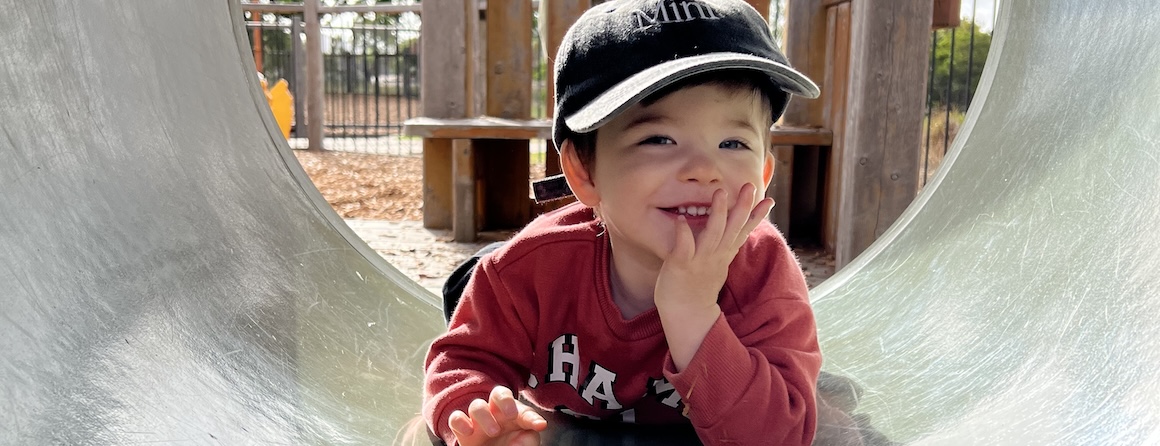
As a newborn, seizures quickly became a terrifying part of everyday life for Archer.
They happened so often that the paramedics rushing to help began to recognise his mum, Emma, on arrival. Having learned how to respond to Archer’s seizures calmly and confidently over time, they sometimes even mistook her for a nurse.
Emma said she had grown up already understanding how fragile health could be. Her sister Rosie was born with a genetic condition and has high support needs, relying on her parents and the National Disability Insurance Scheme.
She said because of her family history she and husband Chris had approached pregnancy thoughtfully and carefully.
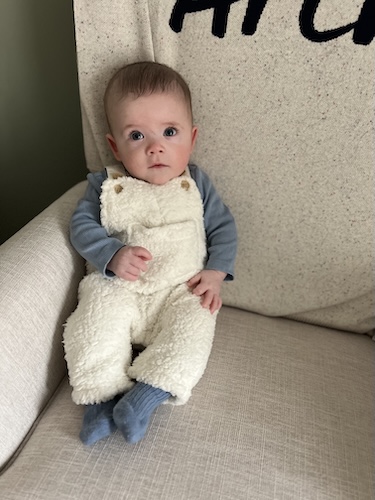
Image: Archer frequently had seizures in his first few months of life
“We were determined to give our baby the best possible start, using every tool available to us,” she said. “We completed pre-conception screening, underwent non-invasive prenatal testing, and carefully followed medical advice throughout the pregnancy. When Archer arrived, he was a healthy and happy baby, everything we hoped for.”
But when Archer was four months old, everything changed.
“Archer had a major seizure shortly after receiving his routine vaccinations,” Emma said. "The seizure unfolded almost in slow motion, with Archer’s body and limbs moving violently. We called an ambulance and rushed to our local regional hospital. This ended up being a common experience.”
Emma said without an initial diagnosis Archer’s seizures progressively worsened with medication not effective in alleviating his symptoms.
Archer’s doctors eventually suspected a severe form of epilepsy. He was also referred to the Gene-STEPS program at Murdoch Children’s Research Institute (MCRI), where Associate Professor Katherine Howell began the genomic screening process. Archer, Emma and Chris were all required to undergo the testing to ensure an accurate diagnosis.
Gene-STEPS aims to rapidly diagnose children with severe early-onset epilepsy using genomic testing, helping clinicians identify the cause and tailor treatment as quickly as possible.
Within weeks, Archer had a diagnosis of SCN1A-Dravet syndrome, a severe genetic epilepsy. If left untreated, the condition can lead to epileptic encephalopathy, with significant developmental, cognitive and behavioural decline.
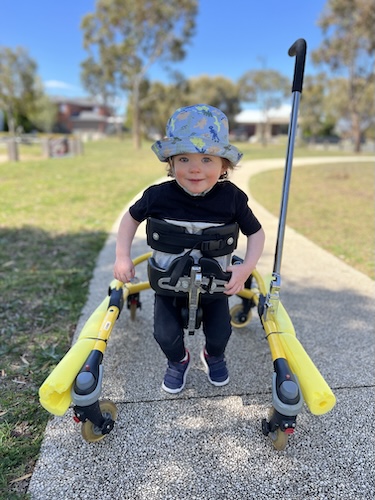
Image: Archer, who relies on a walker for support, has SCN1A-Dravet syndrome
Dravet syndrome is caused by a rare variation in the SCN1A gene. The gene helps control the flow of sodium in and out of brain cells, which is critical for regulating electrical activity in the brain. When the system does not function properly, the brain can become overexcited, leading to severe and frequent seizures.
The condition is often triggered by spikes in temperature caused by infections or, as in Archer’s case, routine vaccinations.
“I carry one copy of the altered SCN1A gene, so although the chance was only 25 per cent of Archer inheriting it, that’s unfortunately what happened,” Emma said.
“But having this diagnosis gives us power. We know the risk is not zero if we decide to have another baby, however, now we know there are options available to us and that’s incredible to think about.
“We also now get all of Archer’s vaccinations at the hospital, where they can monitor for subsequent seizures. It’s so important for him to receive vaccines in a controlled environment to protect him from infections and fevers.”
For Archer, now 2, the diagnosis meant his medical team could immediately change his medications to those known to be the most effective for Dravet syndrome.
“We were lucky to be able to access the help we needed so quickly,” Emma said. “To go from Archer’s first really scary seizure, to ending up with the exact genetic diagnosis and having him being put on the right combination of medications for him within a couple of weeks, it’s huge.”
Emma said while Archer’s seizures were currently well managed, he would likely need medication throughout his life.
But a clinical trial, co-lead by Associate Professor Howell, of a gene therapy designed to restore the SCN1A gene is offering families hope.

Image: Associate Professor Katherine Howell
The trial, run by US-based biotech company Encoded Therapeutics, is being conducted in Australia at MCRI, The Royal Children’s Hospital and Austin Health.
Early results from the therapy are promising, although the researchers are still studying its safety and effectiveness.
Emma said if Archer’s seizures become more difficult to control, he may become eligible for the trial.
“We know the therapy is still in the trial phase, but we wouldn’t hesitate to give Archer the chance to be as healthy and happy as he could be,” she said. “This journey has reinforced to us how vital early genetic diagnosis and research are for families facing rare conditions.”
The family was also on hand to celebrate MCRI’s four decades of pioneering discoveries and shaping child health policy during an event at Parliament House in Canberra.
Emma said her family was privileged to help highlight MCRI’s 40-year legacy across child health research.
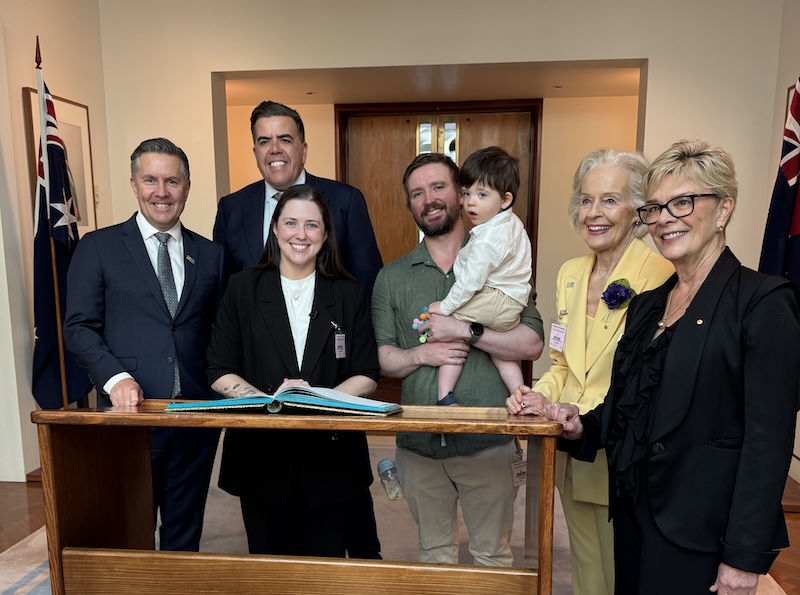
Image: Federal Health Minister Mark Butler, Speaker of the House Milton Dick, Emma with husband Chris and son Archer, Dame Quentin Bryce AD CVO and MCRI Director Professor Kathryn North AC at the Parliament House event.