Patient stories
Alleviating the cruel toll of cancer treatment
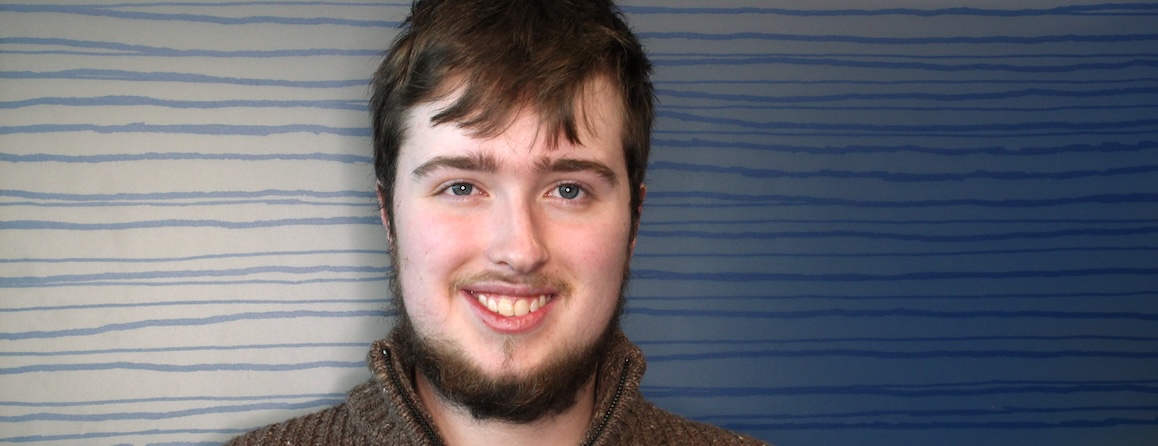
Music was therapy for Marco until the cruel toll of cancer treatments left his hands unable to play.
Like all children undergoing cancer treatment, the wonders of modern medicine come with a double-edge sword. Within hours of being diagnosed with leukemia, the then 16-year-old, began rigorous rounds of cancer treatments. The treatments saw him achieve remission three months later. But the therapies that saved his life came with devastating side effects.
Mum Karen said the family had just returned from a holiday in Sweden in early 2023 when their world was turned upside down.
“Everything changed so suddenly, from the moment we arrived home Marco was very jet lagged,” she said. “On top of the extreme tiredness, his stomach was swollen and had pain in his legs.
“Out of precaution we took him to hospital where testing revealed the cancer diagnosis. The large stomach turned out to be his liver and spleen swollen with leukemia cells.
“He started chemotherapy immediately and those first few weeks of treatment were horrendous. It felt like Marco was taken to the brink of death in order to make him better. He experienced extreme weight loss, muscle weakness, vomiting and hair loss.”
Karen said music was therapeutic to Marco during his time in hospital.
“Within days of being hospitalised the school organised a keyboard for him, which he would play by his bedside,” she said. “It gave him something solid to hold onto amid all the chaos and uncertainty. But due to the treatment causing muscle weakness and bone aches, Marco ended up losing the ability to play.”
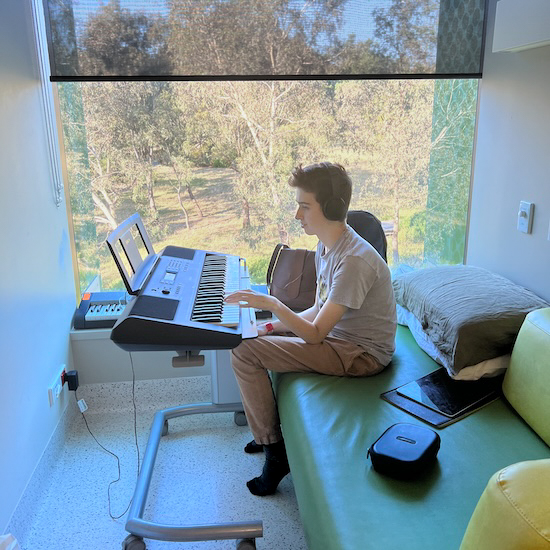
Image: Marco playing his keyboard during a hospital stay
To help better understand how Marco’s body would respond to treatments and to lessen the side effects, he underwent pharmacogenomic testing within three weeks of the cancer diagnosis. The testing explores how a person's genes are impacted by cancer treatments, leading to more personalised care.
Karen said due to the testing his doctors were able to better tailor his care and medicine dosage levels.
“Many children require breaks in their cancer treatment due to the side effects,” she said. “Marco ended up having less than half of the chemotherapy dose that other children would normally have after the testing showed he had a very slow metabolism to one of his cancer drugs. Luckily for Marco his treatment was continuous and effective.”
Detecting the abnormal metabolism meant Marco avoided life threatening bone marrow suppression and his sedation and pain relief medications were carefully dosed.
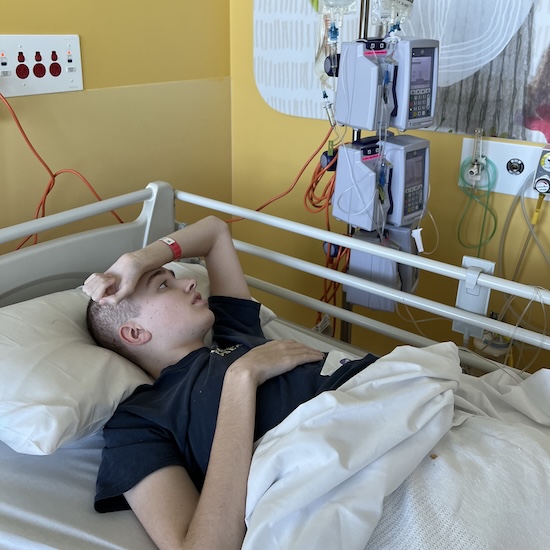
Image: Marco undergoing cancer treatment
A project led by Murdoch Children’s Research Institute (MCRI) has received $1.76 million from the Children’s Cancer CoLab to help further pharmacogenomics testing. The project, which is part of the Children’s Cancer CoLab’s Safer Therapies Impact Program, is supported by the Children’s Cancer Foundation and the State Government.
“This offers great hope to other children like Marco to receive safer and more effective treatments,” Karen said. “It’s harrowing to watch your child go through cancer and watch their quality of life deteriorate. If all children can receive tailored care that makes a world of difference.”
Karen said Marco’s strength had since returned and his treatment would be completed by the end of the year.
“Marco has been incredibly stoic through the whole ordeal,” she said. “He is back playing in the school band and is part of the Melbourne Youth Orchestras. He is not completely back to his old self but with music back in his life he’s not far off it.”
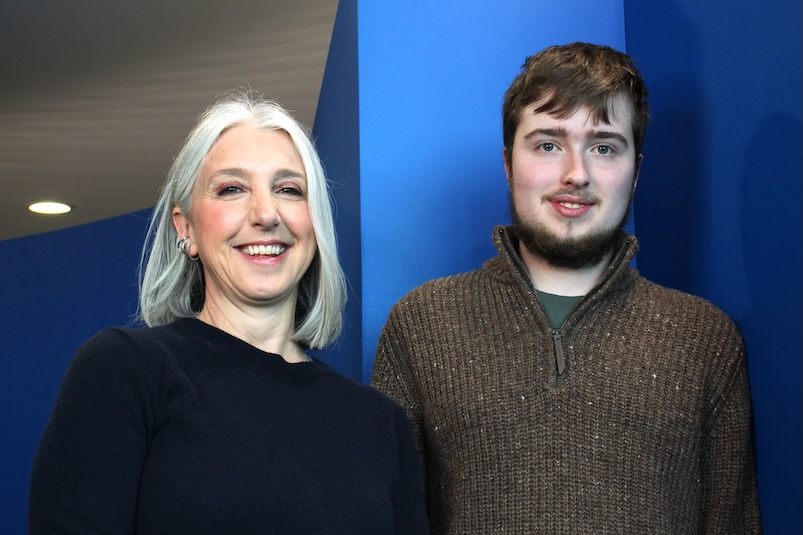
Image: Marco with his mum, Karen