Patient stories
Making a new rhythm
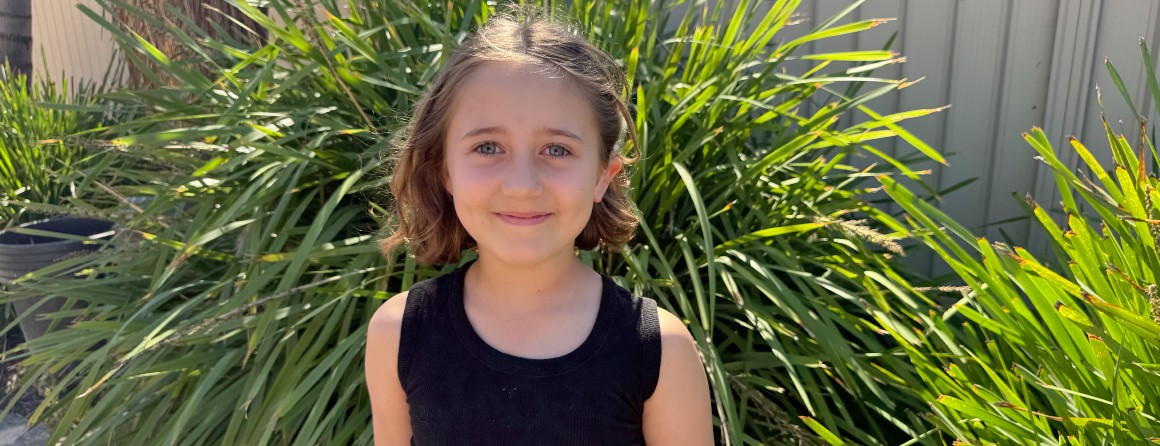
Being deaf in one ear hasn’t stopped Nara from living a life full of rhythm and dance.
Nara, 7, was born with profound hearing loss in her left ear due to a common virus passed down from mother to baby during pregnancy.
Mum Tegan said in those early days, she feared her daughter would miss out on having a full, active life.
“The first red flag was Nara failing her universal newborn hearing screening test,” she said. “We were referred for full audiology testing, which confirmed Nara’s right ear was fine, but she was totally deaf in the other.”
Nara’s hearing loss was caused by cytomegalovirus (CMV). It lay dormant in Tegan’s body until it spread in utero.
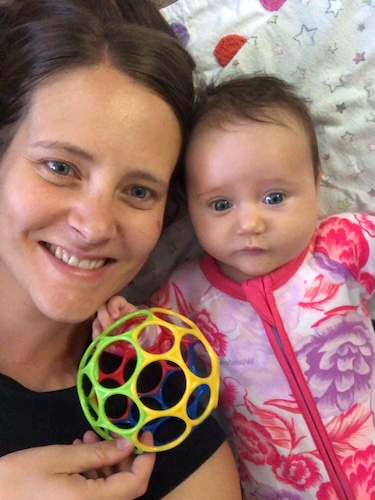
Image: Tegan with Nara as a baby
Tegan, who was vigilant during her pregnancy, said she struggled at first with the diagnosis.
“I did all the right things, I avoided soft cheeses, raw meat and alcohol, so being told about CMV after Nara was born was quite devastating,” she said. “Thankfully, we were able to access a range of early interventions for Nara and now she’s truly thriving.
“She loves dancing, gymnastics and plays piano and sings, all things that could have been impacted by her hearing loss. Many children ask about Nara’s hearing device but she takes it all in her stride.”
CMV, a type of herpes virus, is present in about half of all adults and can cause mild flu-like symptoms in some cases. If CMV is contracted in utero, the virus can impact hearing, eyesight and sometimes leads to intellectual disability or learning difficulties.
Murdoch Children’s Research Institute Associate Professor Valerie Sung leads the Australian National Child Hearing Outcomes Registry (ANCHOR) and the Victorian arm of the Australasian Congenital Cytomegalovirus Register (ACMVR). She said the databases were the first of their kind in Australia that focused on children’s progress, intervention options and access to hearing services.

Image: Associate Professor Valerie Sung
“Congenital CMV is the leading infectious cause of deafness in babies,” she said. “Through ANCHOR and ACMVR we can monitor their developmental milestones, school performance, quality of life and ongoing support needs.
“By consistently documenting and monitoring children, we can set a global standard and ensure the best possible outcomes for young patients with hearing loss.”
A/Prof Sung said another MCRI-led study, Screen-cCMV, worked to improve testing for newborn babies in Victoria within the first weeks of life.
“CMV is not widely screened for at birth, but studies like Screen-cCMV explore different ways we can detect CMV earlier and at scale,” she said. “When research, clinical care and early intervention come together, more children can have a very positive outcome like Nara.”
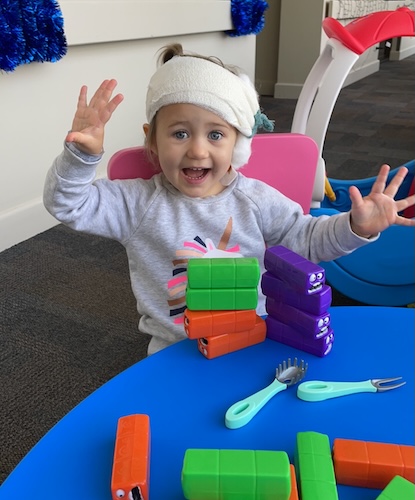
Image: Nara after her cochlear implant surgery
Screen-cCMV is embedded into GenV (Generation Victoria), a project led by MCRI that takes in valuable health information from more than 120,000 children, families and carers to understand and address key, national health problems.
Tegan remains optimistic about Nara’s future and is confident she will continue adapting to the world around her.
“Nara’s life appears normal from the outside, but she faces a disability many don’t understand or can’t necessarily see,” she said. “Hearing loss is preventable in some cases, so I hope there’s greater awareness around the importance of research into this virus and reducing its impact.”
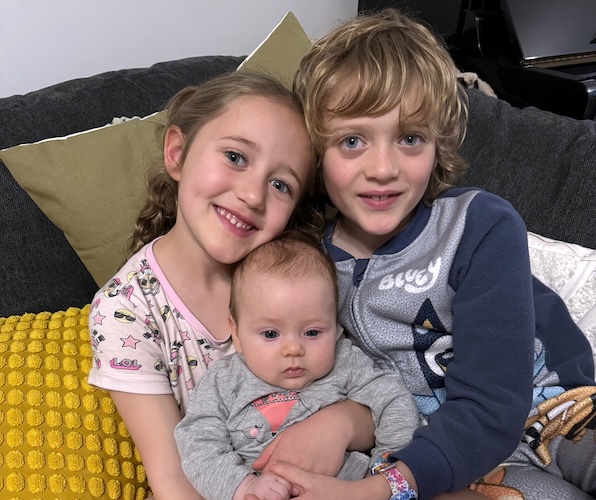
Image: Nara (left) with her sister Leisel and brother Arlen
Read more about MCRI’s Child Hearing Loss research, including ANCHOR, the Victorian Childhood Hearing Longitudinal Databank (VicCHILD) and the Screen-cCMV project.