Patient stories
Life with an ultra-rare condition
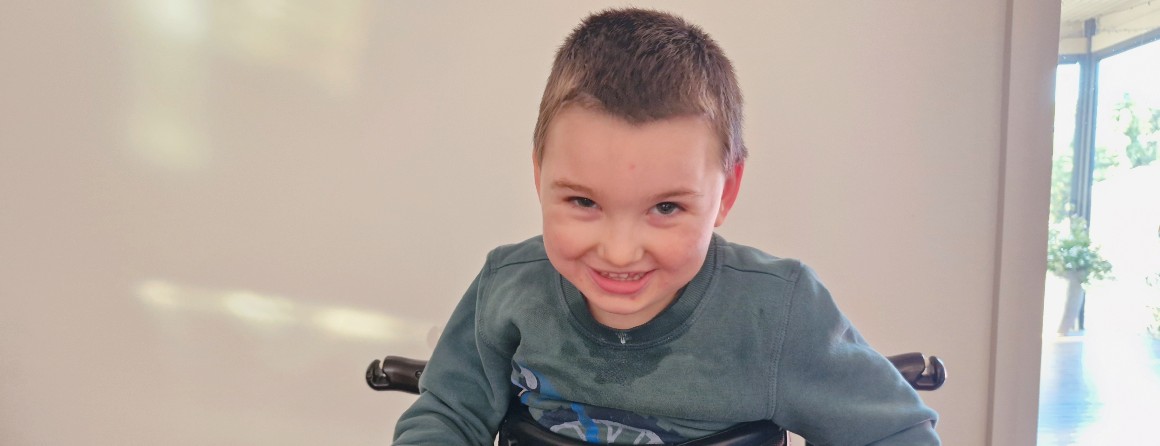
Cooper came into the world without fuss, born via a routine caesarean.
His parents, Nicole and Josh, didn’t notice anything was amiss about their little boy until he was six weeks old. An appointment with a specialist a few weeks later confirmed Cooper’s head was smaller than usual and not growing at the expected rate. He also struggled with certain movements and constantly clenched his fists.
Cooper’s parents were told he had cerebral palsy, developmental delay and mobility issues alongside hearing loss and low muscle tone.
Nicole and Josh sought out genetic testing via a referral to the Victorian Clinical Genetics Services (VCGS). But with these early tests providing no answers, the family was introduced to the Rare Diseases Now (RDNow) team at Murdoch Children’s Research Institute (MCRI).
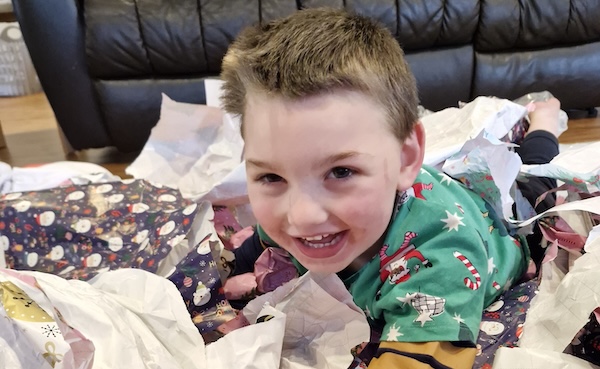
Image: Cooper unwrapping presents
“We wondered if we’d ever get a clear answer about Cooper’s condition, but we stayed open-minded as the RDNow team took a deeper dive into his genetic make-up,” Nicole said.
Genetic counsellor, Kirsten Allan, and clinical geneticist, Dr Natasha Brown, supported the family through three years and multiple rounds of advanced testing before RDNow analyst, Monique Dunstan, pinpointed the exact cause of Cooper’s condition.
Long read genome sequencing, which reads long stretches of DNA in one go, was performed by colleagues at the Garvan Institute of Medical Research. This cutting-edge technology meant that Ms Dunstan could identify a change in a gene called CASK.
RDNow also drew on the expertise of The Royal Children’s Hospital, VCGS, and the RDMassSpec project at the University of Melbourne to confirm Cooper’s diagnosis of CASK-related neurodevelopmental disorder. The ultra-rare disease causes intellectual disability, hearing loss and impaired movement.
RDNow’s Dr Michelle de Silva said finally finding an answer was incredibly rewarding.
“The condition, which impacts only a few hundred people globally, is caused by damaging variants in the CASK gene,” she said.
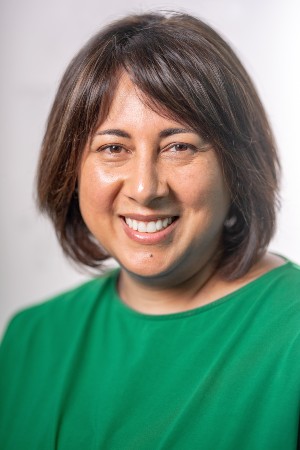
Image: Dr Michelle de Silva
“Our collaborative team achieved this diagnosis by using state of the art long read genomic sequencing, which reads larger sections of the genetic code than standard genome testing, while advanced techniques called multi-omics confirmed the result.”
Nicole said she was grateful for the RDNow team’s persistence over the three-year journey.
“The researchers have been amazing and made a prolonged, difficult process much easier,” she said.
“While we’ve accepted not much will change for Cooper in the short-term, we are hopeful that with a diagnosis his care and future treatments will be more targeted.”
Cooper, now four, is happy and healthy and while he uses a walker and is non-verbal, regular physio and speech therapy has been a great support.
Nicole said Cooper’s sister Madison was his biggest protector.
“Madison fiercely protects her brother Cooper, confidently telling others not to stare and making sure they understand he’s not a baby,” she said. “She’s an incredible advocate for her brother. They laugh together all the time, it’s a joy to watch.”
Dr de Silva said she hoped the advanced testing methods harnessed by RDNow would help many more children like Cooper in the future.
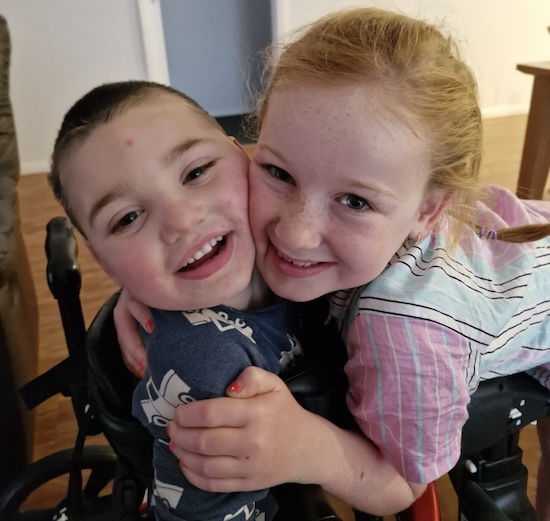
Image: Cooper with his sister Madison
“Finding a diagnosis for children with rare diseases can take years, but genomic and multi-omic technologies can help patients access the most appropriate care sooner,” she said.
Read more about the RDNow team’s research.