Patient stories
Searching for a rare disease diagnosis
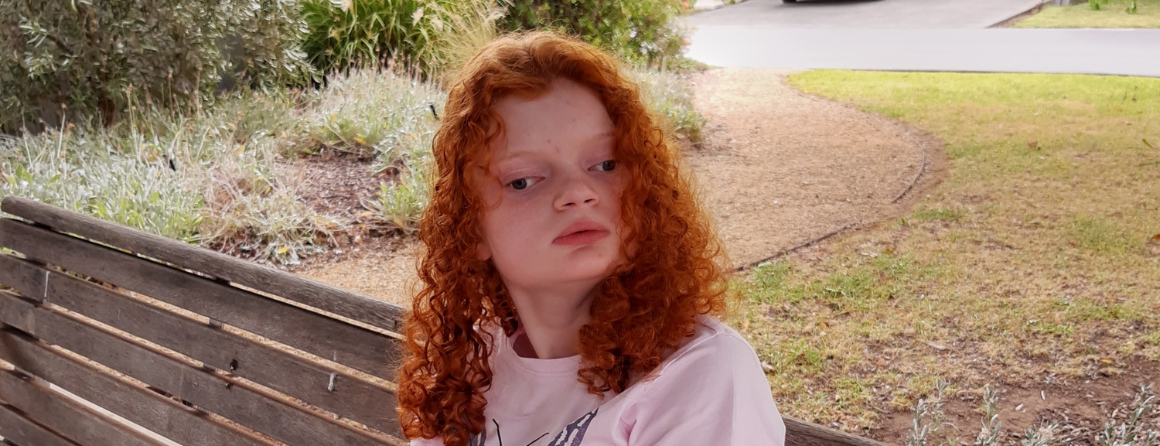
Emma was just seven weeks old when she started shaking in her mother Jenny’s arms.
Instead of taking Emma to her eight-week routine immunisation appointment, Jenny was at her local clinic asking for a referral to see a paediatrician. But due to long waiting lists, it would be months before Emma saw a paediatrician and more than a decade to access the tests required to make a diagnosis. Emma was having a seizure, the first of what would become a daily occurrence.
Emma was eventually referred for an electroencephalogram (EEG), a test that detects the brain’s electrical signals. But the results were inconclusive.
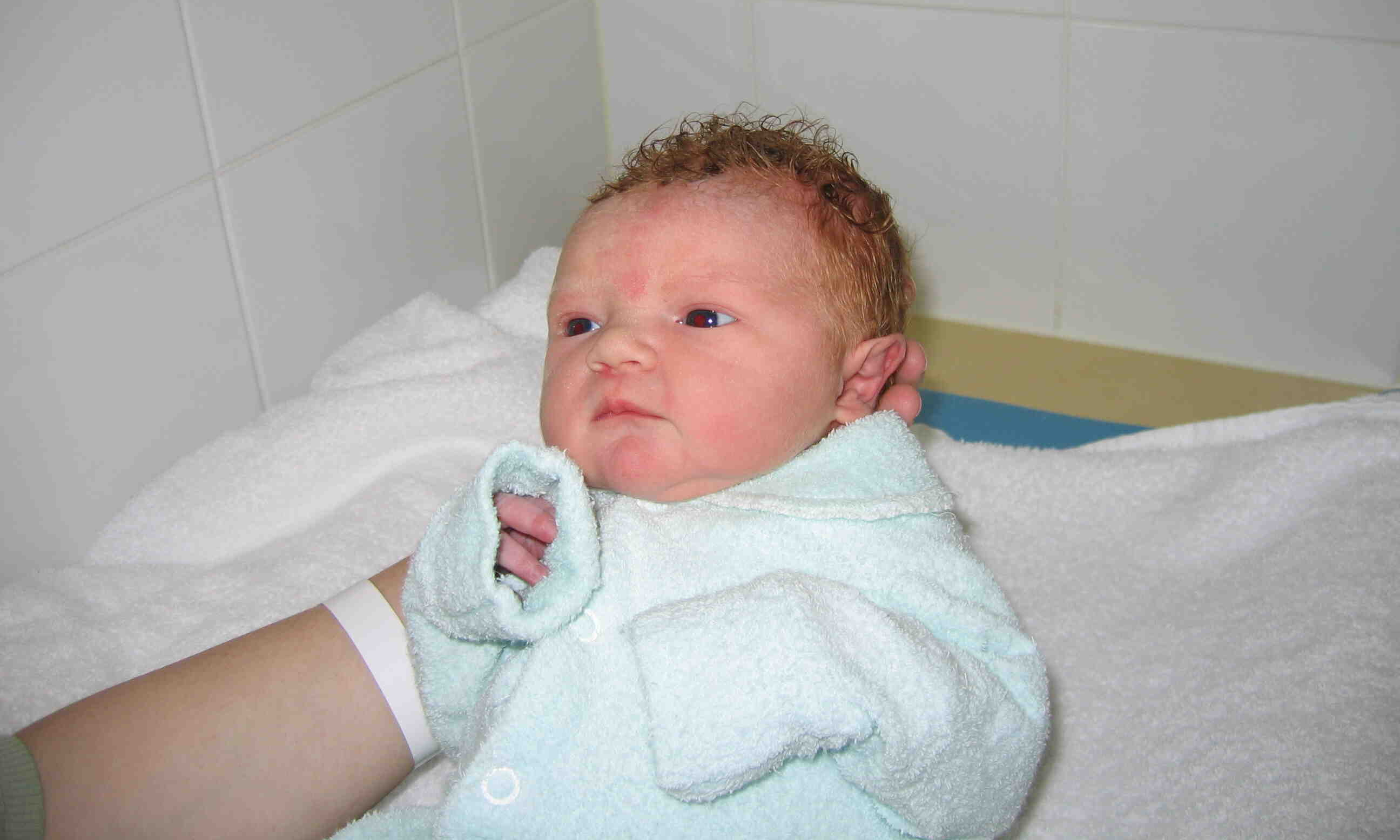
Emma as a newborn
Without answers, Emma continued having seizures and developmental issues started to appear and milestones were missed.
“The maternal and child health nurse was the first one to notice Emma hadn’t started rolling by the sixth month mark, which is when most babies learn to roll. That was when we knew something else was going on,” Jenny said.
It wasn’t until she was two years old that Emma was diagnosed with infantile spasms. A rare but serious type of seizure, the spasms cause sudden and repetitive movements of the head, body and limbs, which typically last a few seconds and occur in clusters.
Jenny said while Emma was yet to learn to walk or talk and was incontinent, in the absence of a diagnosis for her other symptoms, the focus shifted to treating the spasms.
“We went on a waitlist for treatment at this stage, and there was lots of waiting,” she said. We tried many different medications to control the seizures, but nothing worked long term.”

Emma endured a long wait for a diagnosis
Emma’s specialist tested her for several conditions including CDKL5 deficiency disorder (CDD), a rare, genetic, neurodevelopmental disorder caused by variants in the CDKL5 gene. Despite ticking all the boxes for CDD, including neurodevelopmental issues and epilepsy, the results came back negative.
“Back then they didn’t have the technology to investigate fully, they were only skimming like using binoculars to look across the road,” Jenny said.
Keen to help the family find answers, Murdoch Children’s Research Institute’s (MCRI) and Victorian Clinical Genetics Services’ (VCGS) Professor Sue White offered the family a trio genome sequencing test, which analyses DNA from a child and their parents to identify genetic variations that may cause inherited diseases. The test is a powerful tool for diagnosing and understanding the inheritance pattern of genetic conditions, especially in cases like Emma’s where a clear diagnosis is difficult.
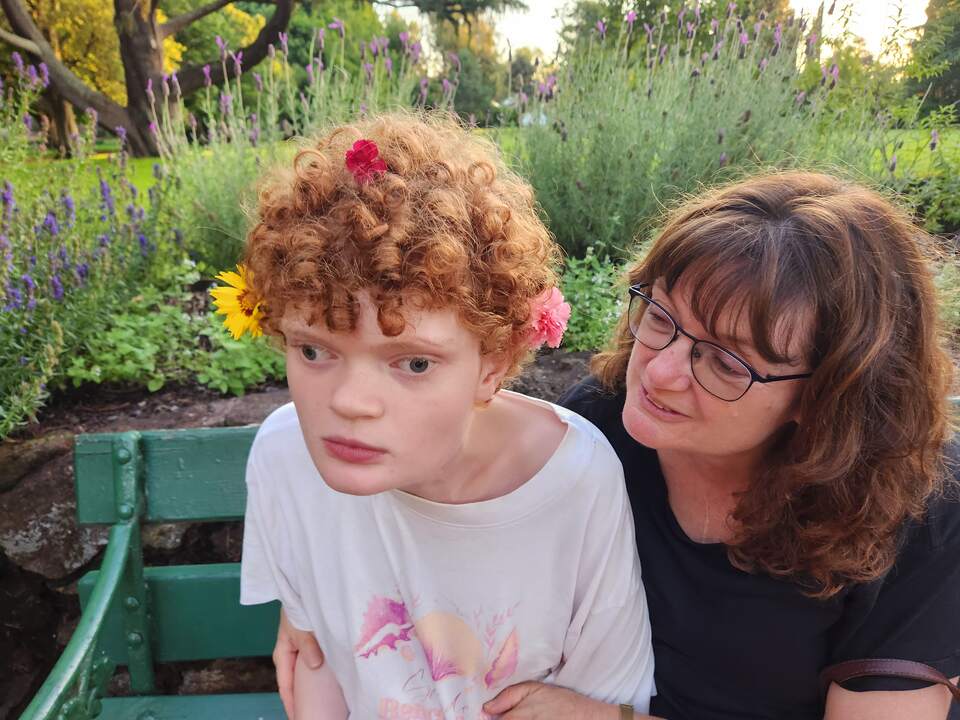
Emma with her mum Jenny
New at the time and not available to Emma as a clinical test, she was offered testing through MCRI and VCGS’ Rare Diseases Now (RDNow) research program. The test revealed Emma, then 15, actually had CDD caused by a change in the CDKL5 gene, which was not inherited from either of her parents.
Jenny said getting a diagnosis was never going to change anything for Emma but having an answer provided some relief.
“The reason we pushed so hard for a diagnosis was we wanted to help future generations of our family to prevent the condition being passed down and we wanted them to be aware of the condition,” she said.
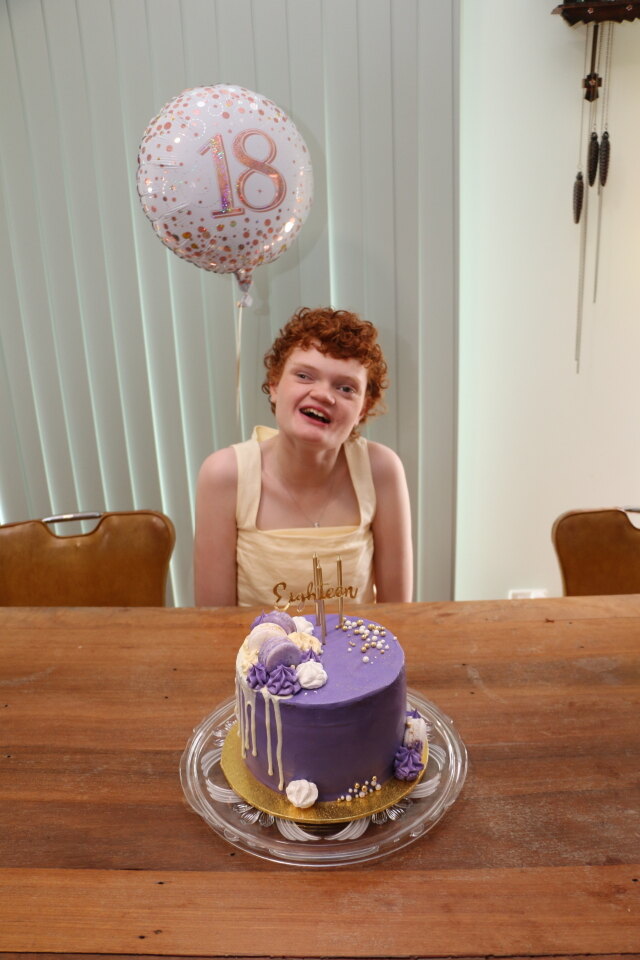
Emma celebrating her 18th birthday
Emma, now 18, has finished school and despite being unable to talk, she communicates with grunting, laughs and smiles. Jenny and the family have learnt to read Emma’s cues over the years and they communicate with her in their own special way.
Jenny said Emma still had seizures every day but they were now under control.
“The seizures are manageable for us compared to other children with CDD, so we are lucky,” she said.
“Emma also has a great network of support workers who understand her. They take her swimming and for physio and speech therapy, and everything is tailored to her interests. The main thing is for Emma to enjoy life and she’s able to do that now, which makes us happy.”
RDNow is supported by funding from The Royal Children’s Hospital Foundation, MCRI and philanthropic donations.
MCRI Brain and Mitochondrial Team Leader Dr Nicole Van Bergen is focused on identifying new treatments for CDD and other rare genetic diseases. Her team is aiming to develop personalised medicines using genomics, stem cells and drug screening to help restore brain function in children with CDD.
Read more about the CDD research project and RDNow in the 2025 MCRI Prospectus on page 29 and 30.