
Associate Professor Katie Ayers awarded Rebecca Cooper Fellowship
- Details

Murdoch Children’s Research Institute (MCRI) Associate Professor Katie Ayers has secured funding to uncover the genetic links between reproductive differences and the increased risk of cancer.
Associate Professor Ayers was awarded a five-year, $1.5 million fellowship from the Rebecca L Cooper Foundation to undertake a deep dive into the human genome to find out which variations are responsible for differences of sex development (DSD). Alongside her team, Associate Professor Ayers will also use cutting-edge stem cell technology to investigate the inner workings of reproductive cells and whether cancer risk can be determined early.
DSDs occur when sex chromosomes, hormones or reproductive organs don’t develop in a typical way, affecting 1.7 per cent of children. The conditions impact young people’s wellbeing, physical development and fertility and are often complex clinical challenges.
The Rebecca Cooper Fellowship supports mid-career researchers with a strong body of work who are considered emerging leaders in their field.
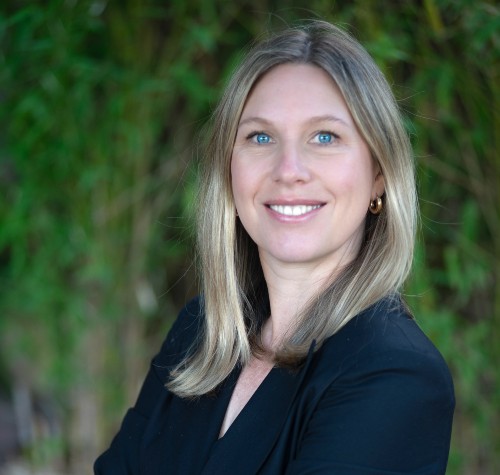
Image: Associate Professor Katie Ayers
Associate Professor Ayers said by better understanding how genes influence reproductive development, it could lead to higher DSDs diagnosis rates.
“At the start of my career just 13 per cent of children born with a DSD received a genetic diagnosis, but thanks to my team’s comprehensive gene discovery work, that’s more than tripled to 43 per cent,” she said.
“The next step is expanding the number of genes we can screen for, as current tests focus on just 2 per cent of our genome and ignores parts that don’t play an encoding role.”
Associate Professor Ayers said the team would examine reproductive stem cells in the lab to determine which DSD patients may go on to develop cancer.
“There is an increased risk of gonadal cancer for people with DSDs, but we don’t have a detailed understanding of how this works yet,” she said.
“By optimising the way we study reproductive stem cells and by analysing more genetic codes, we hope to provide DSD patients with precise diagnoses, a thorough understanding of their disease risk and improve quality of life.”
Read more about MCRI’s Reproductive Development research.