Accelerating recovery for children with concussion
- Details

Children recover significantly faster from concussion after receiving early, multidisciplinary care designed to treat persistent symptoms, according to a new study. And the model will provide a blueprint for future child-specific concussion clinics across Australia.
The results, published in the British Journal of Sports Medicine, reveal at three months post‑injury, 62.5 per cent of children who accessed treatment from the Murdoch Children’s Research Institute (MCRI) Concussion Essentials intervention fully recovered, compared with 37 per cent receiving standard care. Additionally, early intervention greatly reduced the risk of physical and mental symptoms from becoming entrenched with 94 per cent of children experiencing improvements.
MCRI researcher Vanessa Rausa said the findings addressed a major gap in concussion care for children whose symptoms don’t resolve quickly.
“While most children recover well after concussion, almost a third continue to experience symptoms that disrupt school, sport and everyday life,” she said. “This study shows that if we identify those children early and provide targeted, coordinated care, we can significantly speed up recovery.”

Image: Vanessa Rausa
Former Victorian Minister Danny Pearson visited MCRI last April to announce the launch of a study that would explore the impact of this intervention in a dedicated children’s concussion clinic. The study is supported by a Victorian Medical Research Acceleration Fund (VMRAF) grant.
Dedicated concussion intervention shows strong results
The randomised clinical trial involved 158 children, aged eight to 18 years, with ongoing post‑concussion symptoms, recruited within weeks of their head injury from The Royal Children’s Hospital (RCH) emergency department and GP referrals. Treatment began four weeks post injury and was delivered weekly by an integrated multidisciplinary team for up to eight weeks, with their care adjusted as symptoms evolved.
The study, led by MCRI, in partnership with the Neurological Rehabilitation Group, found that participants who received tailored care combining education, physiotherapy and psychological support were substantially more likely to fully recover than those receiving usual care alone. The program was feasible and acceptable for families despite the commitment required to complete the treatment.
Children in the intervention arm also experienced significantly fewer and less severe symptoms across sleep and their physical, cognitive and mental health.
How common is concussion in childhood?
Concussion is one of the most common reasons children present to hospital with a head injury. While most recover within a few weeks, about 30 per cent develop persisting symptoms. Current care often focuses on single treatments or involves delays between referrals, which can allow symptoms to worsen.
MCRI Professor Vicki Anderson said the results supported incorporating this intervention into routine clinical practice.
“Concussion is a growing health concern, with diagnosis and management poorly understood,” she said. “Children don’t experience concussion in a single way. By bringing education, physiotherapy and psychological care together and tailoring treatment to each child, we can respond to those different needs. We think early targeted treatment may also reduces the need for repeated healthcare visits and specialist referrals.”
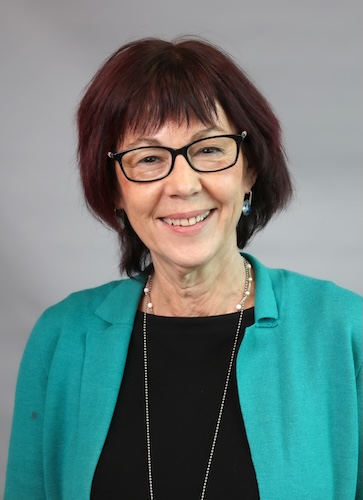
Image: Professor Vicki Anderson
Scaling child-specific concussion care across Australia
Professor Anderson said further research would focus on how the model could be expanded beyond hospital settings.
“We now need to look at how this kind of care can be scaled to community clinics and delivered through options like telehealth so more families outside of metropolitan areas can access effective treatment earlier,” she said.
To also help recognise concussion early, the Concussion Essentials (HeadCheck) app has been designed by leading child concussion experts at MCRI in collaboration with the Australian Football League. The free assessment tool educates parents, coaches and players to understand when medical attention is needed and how to manage recovery safely.
Macy, 15, suffered a concussion during a surfing lesson last year while on a school excursion.
Her concussion symptoms lingered but the turning point came when the family was alerted to MCRI’s concussion clinic.
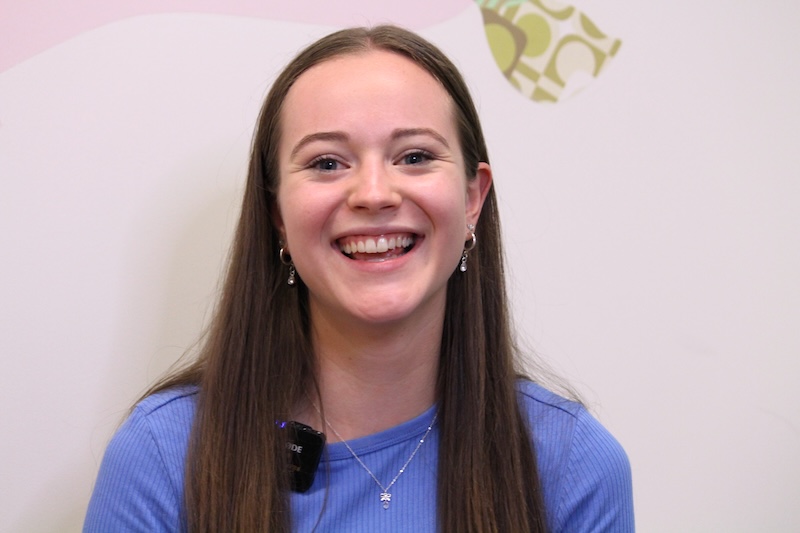
Image: Macy, who had a concussion after a surf boarding accident
Learn more about Macy’s recovery from concussion.
Researchers from the University of Melbourne, University of Queensland, Austin Hospital, Cabrini Hospital, University of Canterbury in New Zealand, Deakin University and Monash University also contributed to the study.
Publication: Vicki Anderson, Katie B Davies, Vanessa C Rausa, Nicholas Anderson, Karen M Barlow, Katherine Bray, Bianca Charles, Gavin A Davis, Kevin Dunne, Fabian Fabiano, Stephen Hearps, Vera Ignjatovic, Audrey McKinlay, Francesca Orsini, Georgia Parkin, Jesse Shapiro, Michael Takagi and Franz E Babl. ‘Multimodal Symptom-Targeted Treatment for Young People with Persisting Post-Concussion Symptoms: A Randomised Clinical Trial,’ British Journal of Sports Medicine. DOI: 10.1136/bjsports-2025-110880
*The content of this communication is the sole responsibility of MCRI and does not reflect the views of the NHMRC.
Available for interview
Vanessa Rausa, MCRI Clinical Neuropsychologist, Brain and Mind Group
Professor Vicki Anderson, MCRI Theme Director, Clinical Sciences
Katie Davies, Neurological Rehabilitation Group Director and Physiotherapist
Jo, whose daughter Macy, 15, suffered a concussion

Share //