Last-line antibiotics at risk as children’s resistance rises
- Details

Antimicrobial resistance in children is rising globally and will worsen over the next decade, threatening the effectiveness of life‑saving antibiotics, according to a world-first monitoring platform.
The findings, led by Murdoch Children’s Research Institute (MCRI) in collaboration with the University of Sydney, Clinton Health Access Initiative (CHAI) and The Chinese University of Hong Kong, analysed more than 106,000 infection samples from children, aged up to 18 years, across 82 countries, discovering that antibiotic resistance increased in every region between 2004 and 2022. Babies and children in intensive care and countries with fewer healthcare resources were the most affected.
Published in JAMA Pediatrics, the research found the increase is being driven largely by Gram-negative bacteria responsible for severe infections such as sepsis and pneumonia. Resistance rose most sharply to critical ‘Watch’ and ‘Reserve’ antibiotics, which the World Health Organization (WHO) classifies to limit overuse and help preserve their effectiveness when first-line treatments fail.
MCRI Associate Professor Penelope Bryant said the findings highlighted a widening gap between recommended antibiotic use and real‑world effectiveness, reinforcing the urgent need for improved surveillance, targeted antimicrobial stewardship and better access to effective antibiotics for children.
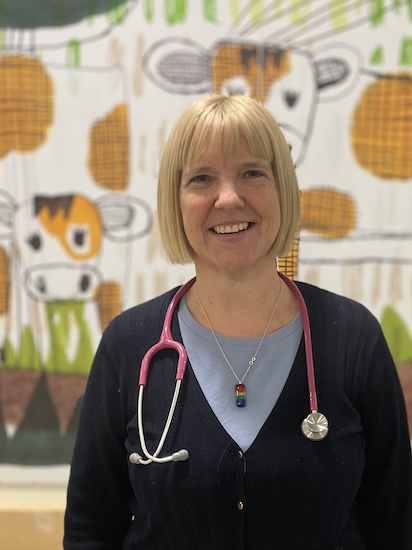
Image: Associate Professor Penelope Bryant
Forecasting future antimicrobial resistance
The newly launched AMR in Kids website, created by the study team, allows clinicians, researchers and policymakers to explore antibiotic resistance by country, bacteria and antibiotic class. It also provides region and pathogen-specific forecasts to 2035, helping researchers to identify emerging threats, inform treatment decisions and help guide public health planning.
MCRI and University of Sydney Dr Yanhong Jessika Hu said by combining almost two decades of global data with forecasting, the platform could identify where resistance was likely to emerge before it becomes an even greater clinical challenge.
Antimicrobial resistance occurs when bacteria evolve to withstand antibiotic treatment. As resistant bacteria emerge and spread through communities, infections become harder to treat. Children are especially vulnerable as they experience high rates of bacterial infections and have fewer antibiotic options than adults. In 2021, about 840,000 deaths in children under five years were associated with antimicrobial resistance.
“Antimicrobial resistance is one of the biggest threats to children’s health globally, but until now we haven’t had a clear picture of how it’s changing specifically in children,” Dr Hu said. “The AMR in Kids platform addresses a major gap by developing region and pathogen-specific forecasts for the next decade.”
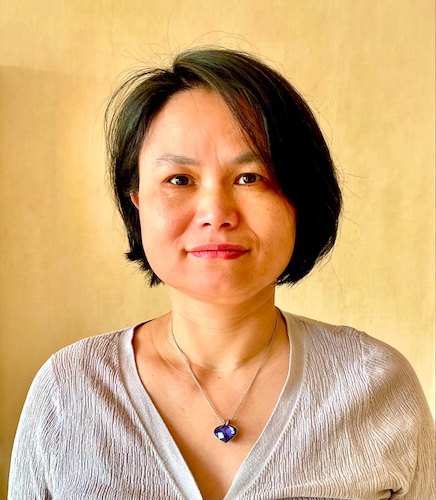
Image: Dr Yanhong Jessika Hu
Forecast modelling by the platform suggests that by 2035, some of the most dangerous pathogens could become highly resistant to last‑line treatments.
CHAI Senior Clinical Director Associate Professor Joseph Harwell said, “Better data is essential, but children can’t wait for perfect data. We need to use the best available evidence to guide action now.”
The research found two types of Gram-negative bacteria were driving antimicrobial resistance globally. Acinetobacter baumannii, which commonly causes hospital acquired bloodstream infections and pneumonia, showed the highest overall resistance. Klebsiella, causing urinary tract infections and liver abscesses, recorded the fastest increase, particularly in Southeast Asia, Eastern Europe and the Western Pacific. Alarmingly, resistance to last‑line carbapenem antibiotics is projected to rise substantially by 2035, reaching 82 per cent and 35 per cent, for each superbug, respectively.
Turning data into global action
Associate Professor Bryant said despite facing unique treatment challenges, children had been overlooked in global antibiotic resistance surveillance.
“Rising resistance to first- and now second-line drugs is the clinical reality for children,” she said. “Making antibiotic resistance in children visible, through AMR in Kids, is the first step towards changing its trajectory. By understanding where resistance is emerging and how it’s changing, we can better protect children now and preserve the effectiveness of antibiotics into the future.”
But Associate Professor Bryant said more action was needed on the global stage and measures specifically targeted towards children.
“In low-income countries we need to address unregulated antibiotic use and poor sanitation,” she said. “These countries need better access to diagnostic techniques and first-line antibiotics. Encouraging, Australia’s Department of Foreign Affairs and Trade has brought together experts including from the University of Melbourne and the WHO to develop solutions in the Western Pacific.
“In high-income countries, antibiotic overuse must be tackled across farming, veterinary, primary care and hospital settings, while infection control remains critical.
“We also need child-friendly antibiotic formulations, clearer dosing guidance and funding for trials on safely reducing antibiotic use. Consumers can help by talking with their GP about the risks of overprescribing antibiotics.”
What does antibiotic resistance mean for families?
Harry, 13, who was born with kidney failure, has taken antibiotics for much of his life to prevent and treat infections. Harry began dialysis at six months old and received a kidney transplant from his father at age four, meaning he relies on immunosuppressant medication.
Mum Eileen said while receiving treatment as a young child, doctors found that the bacteria causing his infections were resistant to several commonly used antibiotics.
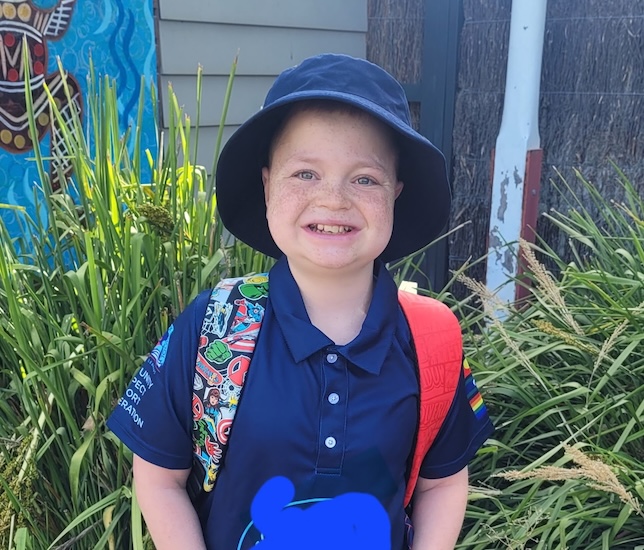
Image: Harry, 13, was born with kidney failure
She said the AMR in Kids website could help transform the way antibiotics were prescribed and improve understanding of antimicrobial resistance.
“Antibiotic resistance is quite alarming, especially for someone like Harry who gets a lot of infections because he’s reliant on immunosuppressants,” she said. “It means there are a lot of things that are off the table for him in terms of treatment.
“The website could be a game changer, helping to challenge the perception that antibiotics are always the best option. People are already starting to understand the long-term effects of antibiotics, but there is a long way to go with education around resistance.”
Researchers from The Royal Children’s Hospital, Brown University and the University of Melbourne also contributed to the study.
Publication
Yanhong Jessika Hu, Hong Qiu, Joseph I. Harwell and Penelope A. Bryant. ‘Childhood Antimicrobial Resistance with Global Forecasts,’ JAMA Pediatrics. DOI: 10.1001/jamapediatrics.2026.2808
Media contact
Murdoch Children's Research Institute
Phone: show phone number
Email: show email address
Social media
For more MCRI content, follow our social media channels below:



About Murdoch Children’s Research Institute
Murdoch Children’s Research Institute (MCRI) is one of the world’s top three child health research institutes, dedicated to improving the health of children and adolescents in Australia and around the world. In 2026 MCRI celebrates its 40th anniversary, marking four decades of transforming child health through research, discovery and innovation. Its breakthroughs have improved diagnosis, informed global vaccine strategies, advanced precision medicine, and continue to redefine what’s possible for sick children. MCRI is one of the only research institutes in Australia to offer genetic testing to help families find answers for children with previously undiagnosed conditions.
Funding
The study won the Impact Award from the Vivli AMR Surveillance Open Data Re-use Challenge in 2023 funded by Wellcome.

Share //