CSL Centenary Fellowship for Dr Carolien van de Sandt
- Details
Murdoch Children’s Research Institute’s (MCRI) Dr Carolien van de Sandt has been awarded a CSL Centenary Fellowship to support her research into how our immune system responds to viruses.
Dr van de Sandt’s research aims to better understand how virus-specific immunity develops and wanes across the human lifespan, with the aim of developing better therapies to restore immunity in those with a weakened immune system and at high-risk for severe infections.
The $1.25 million CSL Fellowship will allow her to establish a new research team at MCRI, which will investigate how virus-specific immunity (the body's ability to recognise and fight viruses) is generated, maintained and lost across a person’s lifetime.
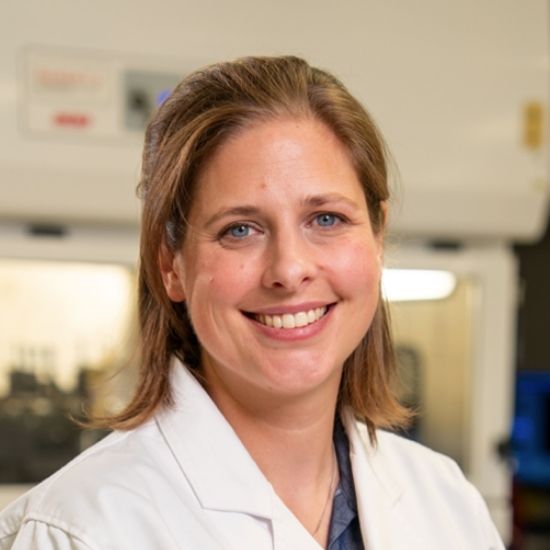
Image: Dr Carolien van de Sandt
“I’m curious about why the same virus can lead to mild symptoms in one individual while causing severe and life-threatening disease in another,” Dr van de Sandt said. “This funding will allow me to explore the interplay between viruses and the human immune system, and unravel the underlying biological and molecular processes driving such various outcomes.”
Globally, one in five people has impaired immunity, with aging being one of the major contributing factors. By 2050, around 22 percent of the world’s population will be over 65 years old, increasing their risk of severe disease outcomes. However, treatments for autoimmune diseases or cancer can also impact immune responses, indirectly affecting the immune system’s ability to respond to viruses or vaccines.
“Unfortunately, there is a lack of understanding of how virus-specific immunity develops and wanes across time, and even less is known about how deficient immune functions can be restored or compensated,” Dr van de Sandt said.
“This lack of knowledge greatly hampers the development of effective treatment and vaccine strategies to restore impaired immunity in high-risk populations.”
“By identifying the biological and molecular processes involved in virus–specific immunity, we can design new therapies or vaccination strategies to restore or compensate lost immunity for individuals who need protection the most.”
Share //