Drs Mary White and Jacqui Schiesser secure Diabetes Australia grants
- Details

Murdoch Children’s Research Institute (MCRI) Drs Jacqui Schiesser and Mary White have received Diabetes Australia Research Trust funding for two projects aimed at improving outcomes for children and families living with type 1 diabetes.
The autoimmune condition is where the body attacks the insulin producing cells in the pancreas, meaning people need insulin every day to keep blood glucose in a safe range.
MCRI Immune Development group researcher Dr Schiesser received $100,000 to work on a new approach to replace the insulin-producing islet cells that are lost in type 1 diabetes.
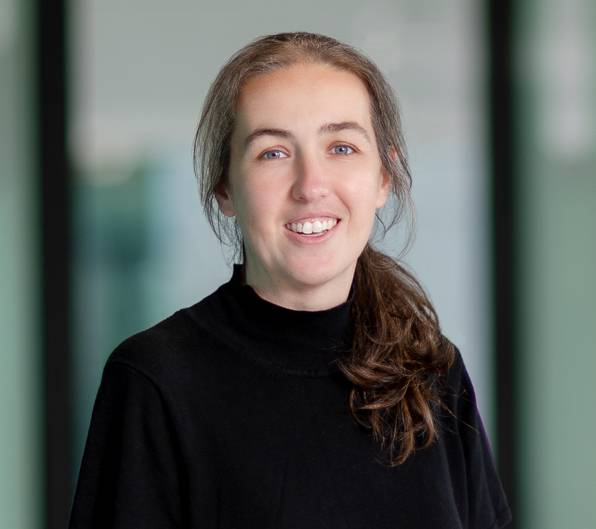
Image: Dr Jacqui Schiesser
“Transplanting donor islet cells can restore insulin production, but donor cells are scarce,” she said. “It also requires strong medicines to stop the immune system rejecting the transplant, which can cause serious side effects.”
Dr Schiesser’s project will advance an alternative by growing replacement insulin-producing cells from a person’s own cells using stem cell technology. As the cells are derived from the recipient, this approach removes the need for intensive immunosuppression.
“A key challenge is that different stem cell lines can vary in how well they develop into the specific cell types needed,” she said. “To address this, we’ll separate out only the cells we need.”
By removing unwanted cell types, the approach aims to improve safety and consistency. The project will help lay the groundwork for future clinical trials of stem cell-derived islet replacement therapy for type 1 diabetes in Australia.
MCRI Health Services and Economics group researcher Dr White received $100,000 to focus on a project designed to help prevent children and young adults becoming dangerously unwell before they are diagnosed. Dr White also works with The Royal Children’s Hospital Department of Endocrinology and Diabetes.

Image: Dr Mary White
“In Victoria, up to half of affected children are diagnosed when they are already in diabetic ketoacidosis (DKA), a life-threatening complication that can have long-term impacts on brain development,” Dr White said.
The team will pilot DIRECT-T1DM, a real-time decision-support tool designed to help GPs recognise suspected type 1 diabetes and support same-day referral for specialist care and insulin initiation.
The project will include co-design with parents and carers to ensure the tool and supporting resources are practical, acceptable and useful for families and clinicians.
The Diabetes Australia Research Trust funding will support 19 projects nationally across fundamental, clinical, health systems and public health research, as part of Diabetes Australia’s commitment to invest $40 million over 10 years alongside its 2025–2030 research strategy.
Read more about MCRI’s Immune Development and Health Services and Economics research.

Share //