Muscle regeneration for Duchenne: restoring strength
- Project status: Active
Research area: Genomic Medicine > Muscle Research
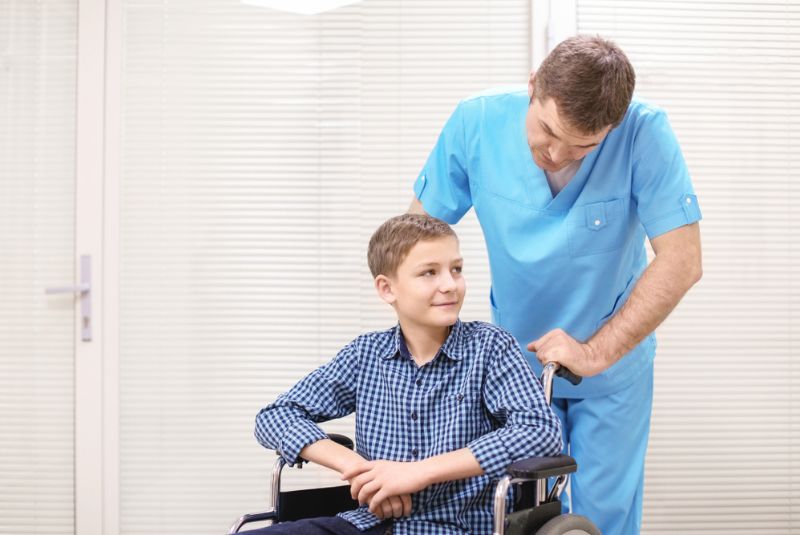
Harnessing the power of stem cells to develop new muscle regeneration therapies for children living with Duchenne muscular dystrophy.
Every day, children living with Duchenne muscular dystrophy (DMD) face progressive muscle loss that current treatments cannot prevent. DMD is a debilitating genetic muscle condition affecting approximately one in every 5,000 boys born in Australia, with around 4,500 Australians living with DMD today. Over time, muscles weaken and are replaced by scar tissue and fat, leading to loss of mobility, respiratory decline, and ultimately reduced life expectancy.
For families, the urgency is real and relentless.
Every day, children living with Duchenne muscular dystrophy (DMD) face progressive muscle loss that current treatments cannot prevent. DMD is a debilitating genetic muscle condition affecting approximately one in every 5,000 boys born in Australia,...
Every day, children living with Duchenne muscular dystrophy (DMD) face progressive muscle loss that current treatments cannot prevent. DMD is a debilitating genetic muscle condition affecting approximately one in every 5,000 boys born in Australia, with around 4,500 Australians living with DMD today. Over time, muscles weaken and are replaced by scar tissue and fat, leading to loss of mobility, respiratory decline, and ultimately reduced life expectancy.
For families, the urgency is real and relentless.
While some therapies have brought cautious optimism to the DMD community, significant challenges remain in delivering these treatments effectively, with some trials already halted due to serious side effects. The window for intervention is narrow, as once muscle is lost, it cannot be recovered.
Our team is working to develop treatments that help repair and preserve muscle in children with DMD. Using advanced human stem cell derived "muscle-in-a-dish" models derived directly from DMD patients, we can test promising new treatments and measure whether they improve muscle function before moving the best candidates forward into drug development. Crucially, this work is done in close partnership with DMD patient advocates, so that the research always reflects what matters most to the families living with this disease.
Purpose
The goal is straightforward, give children with DMD more time; more time walking, more time breathing independently, more time with their families. By identifying treatments that slow muscle loss and support repair, we hope to preserve strength and independence for longer, and extend the lives of children who deserve every possible chance.
Study details
The research program runs across two interconnected streams. First, the team builds sophisticated laboratory grown 3-dimentional (3D) muscle models that undergo a control injury to study how muscle damages and repairs. These models are then used to identify new treatments that support the repair process. The most promising of these are then tested in functional 3D mini-muscle models grown from the stem cells of children with DMD as a critical proof-of-concept step before progressing toward clinical application.
Musclular dystrophy newsroom
Trial may bring hope to children with Duchenne muscular dystrophy
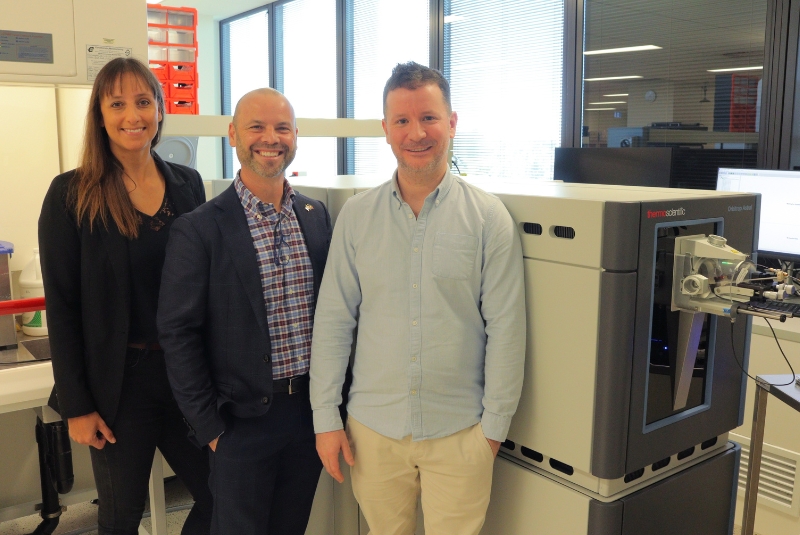
Australian-first equipment to help accelerate research into childhood diseases
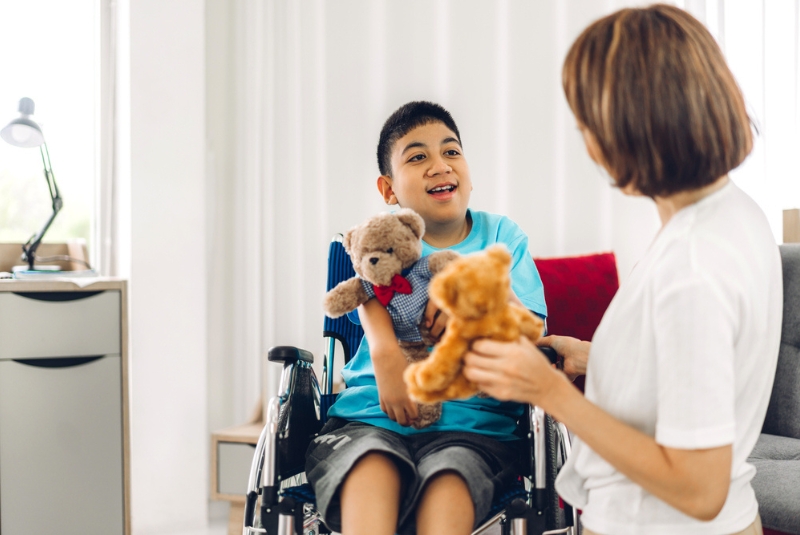
Biobank aims to discover new treatments for children with genetic muscle diseases

The Gillin Boys Foundation donates $100,000 towards MCRI Duchenne Muscular Dystrophy research
Muscular dystrophy

‘Gene for speed’ linked to severity and progression of Duchenne muscular dystrophy

Share //