WEARABLES
- Project status: Active
Research area: Stem Cell Medicine > Cancer Therapies
Wearable technology and machine learning (AI) for early detection and risk assessment of unacceptable toxicities in paediatric oncology.
Thanks to major advances in treatment, more than 80 per cent of children with cancer now survive at least five years after diagnosis. But the journey through treatment can still be tough, and one of the most common side effects is infection, affecting nine out of 10 children.
This is a PhD project.
Thanks to major advances in treatment, more than 80 per cent of children with cancer now survive at least five years after diagnosis. But the journey through treatment can still be tough, and one of the most common side effects is infection, affecting...
Thanks to major advances in treatment, more than 80 per cent of children with cancer now survive at least five years after diagnosis. But the journey through treatment can still be tough, and one of the most common side effects is infection, affecting nine out of 10 children.
This is a PhD project.
About our study
The WEARABLES study is working to reduce side effects from cancer therapy to improve the lives of children with cancer. By combining wearable devices (like fitness trackers) with machine learning (AI), researchers are building a tool that can help predict when a child might be getting an infection, before it becomes serious.
This early warning system could mean faster care, fewer hospital stays, and less worry for families.
Primary goal of the study
The main goal of this study is to understand if we can predict infections in children going through cancer treatment by using wearable technology and machine learning (a type of computer technology that looks for patterns in data).
Secondary goal of the study
- Another goal of this study is to understand how well this prediction model works in everyday life.
- We want to understand what children and families think about using wearable technology and machine learning to help spot side effects early.
Information for participants
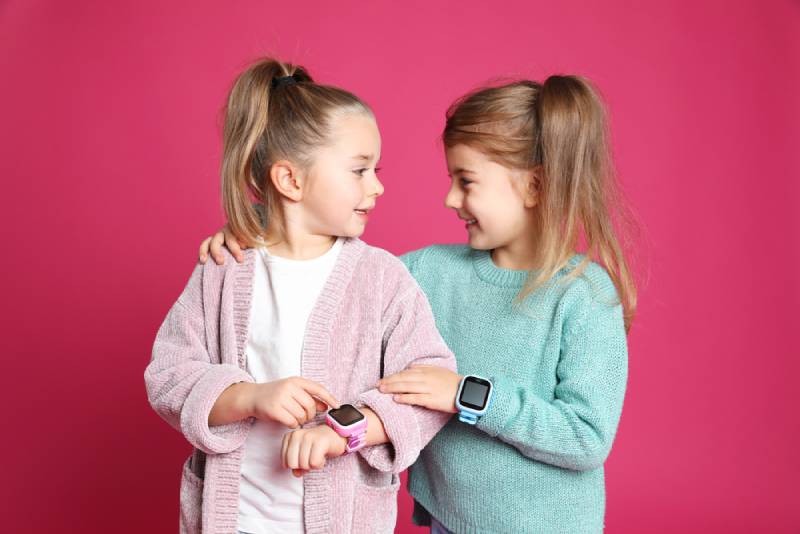
Children will participate in this study for four weeks. During that time, participants will be given a wearable device to wear on their wrist during the day. The device will collect important health information, including heart rate, breathing, body temperature, physical activity and oxygen levels. At the end of each day, the device should be charged overnight, so it’s ready to collect data again the next day.
Participants will also be asked to complete five short surveys:
- Four weekly surveys (about five minutes each) to check for any signs of infection and assess what treatment was needed.
- One final survey at the end of the four weeks (about 30 minutes). This survey will allow you to share your thoughts and experiences using the wearable and how you felt about the technology being used to detect side effects.
Eligibility criteria
- Aged 5 to 18 years old, and
- Receiving treatment for cancer at The Royal Children’s Hospital (RCH), and
- Have access to an iPhone.
Contact us
WEARABLES study
Murdoch Children’s Research Institute
The Royal Children’s Hospital
50 Flemington Road
Parkville, VIC, 3052
Australia
Phone:
show phone number
Email:
show email address
Share //