Patient stories
Finding a voice with a speech disorder
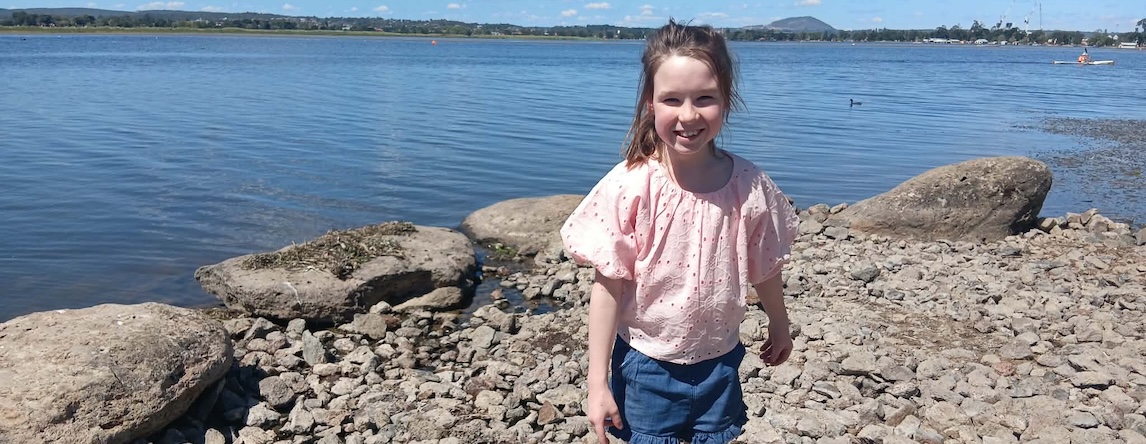
Without early access to speech therapy, Isla may have never found her voice.
The nine-year-old has childhood apraxia of speech, a rare speech disorder that hinders the brain's ability to plan and co-ordinate the muscle movements necessary for clear speech.
Mum Sheree said Isla was referred to speech therapy at about two years of age after she failed to meet early developmental milestones
“Isla’s speech was delayed, she wasn’t babbling like babies do and had difficulty starting or transitioning between sounds or words,” she said. “Her gross and fine motor skills were also impacted, affecting her ability to walk and grasp objects.
“Luckily at the time, Isla was already seeing a paediatrician who was able to refer us to a speech clinic. Despite acting on it quickly, we still had to wait another four months to see a therapist.”
Sheree said the speech therapy had made a significant difference.
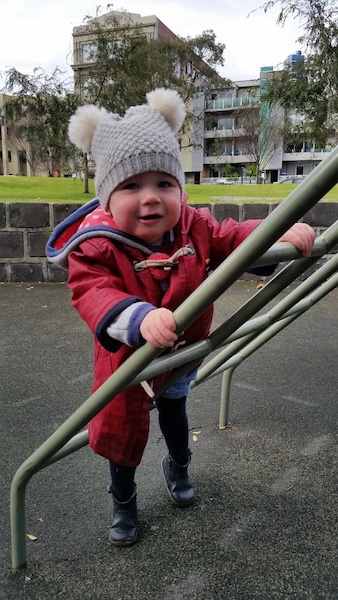
Image: Isla was a toddler when diagnosed with a speech disorder
“Isla knows what she wants to say in her head, but sometimes her mouth has trouble saying the words clearly and consistently,” she said.
“Her speech difficulty has a huge effect on her confidence. When she was younger, Isla often gave up on talking and relied on non-verbal communication including gestures so others could understand her.
“But with the help of therapy Isla is now better understood, and family and friends have noticed the huge progress in her speech, she has come a long way.”
Sheree said a new tool developed by Murdoch Children’s Research Institute (MCRI) researchers that could identify children at risk of speech disorders would be of enormous help to families and healthcare workers.
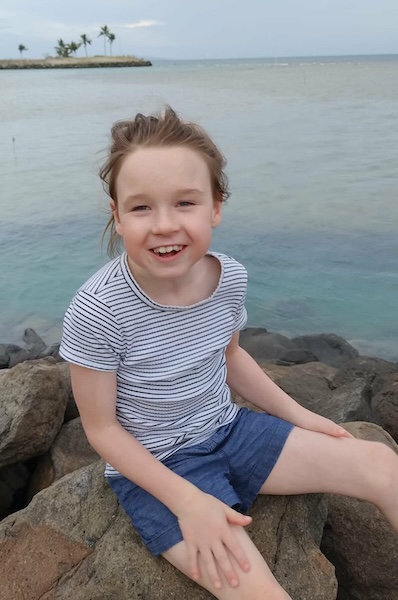
Image: Isla has come a long way with speech therapy
She said her family also organised childhood apraxia of speech community walks to help raise awareness about the disorder and offer support to other families.
“We know so many families with children who have apraxia of speech who weren’t able to access early support,” she said. “Their GPs didn’t refer them to a speech therapist when symptoms first appeared, thinking the child would eventually catch up with their peers.
“On top of that, long wait lists and finding the right therapist fit for your family only adds to the delays. Children with speech disorders have to be incredibly resilient but they also need early intervention to make sure they can thrive.”
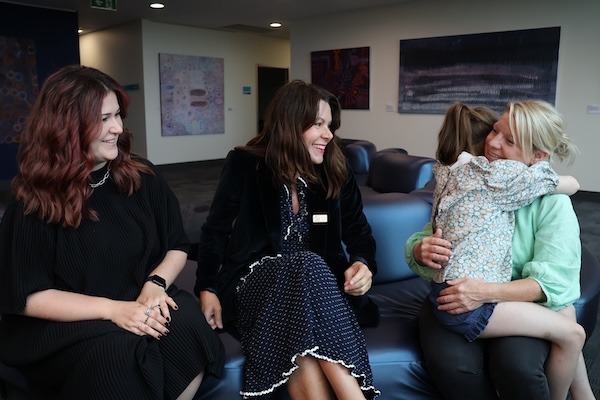
Image: Dr Daisy Shepherd and Professor Angela Morgan with Isla and her mum Sheree