Cancer Council Fellowship for Dr Sarah Grimshaw
- Details
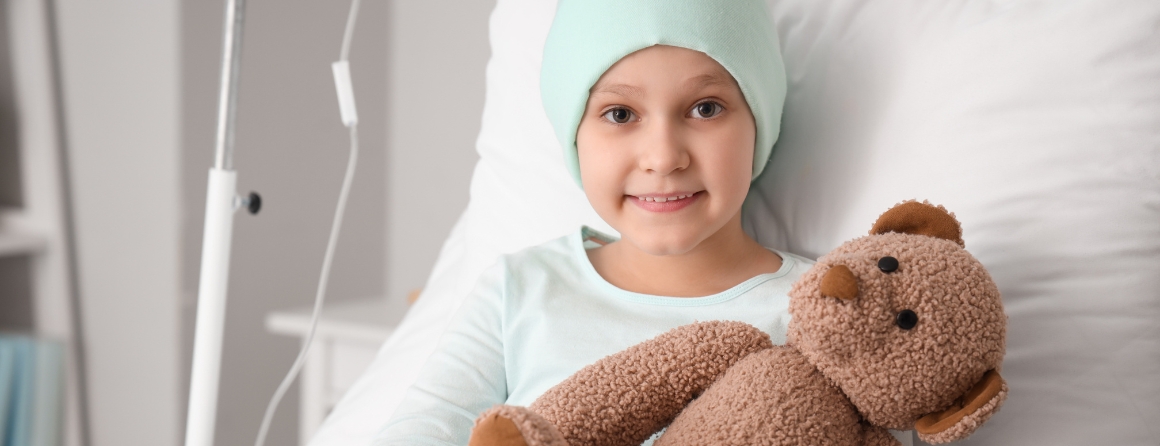
Murdoch Children’s Research Institute’s (MCRI) Dr Sarah Grimshaw has received funding to investigate how to reduce frailty in children with the most common childhood cancer.
Dr Grimshaw was awarded a $450,000 Cancer Council fellowship for her project, which aims to test if physical activity could prevent premature ageing caused by leukaemia treatments in children.
Each year in Australia, about 270 children are diagnosed with leukaemia, a blood cancer that occurs when a child’s bone marrow becomes overrun by abnormal white blood cells.
Although cure rates for childhood leukaemia now exceed 90 per cent, surviving children are often left with lifelong health issues due to the toxic nature of cancer treatments.
Dr Grimshaw said, “Childhood cancer survivors display early signs of accelerated ageing or frailty. This includes sarcopenia (muscle weakness and low lean muscle mass), exhaustion, fatigue and slow walking speed. Frailty is associated with increased rates of chronic disease and premature death.
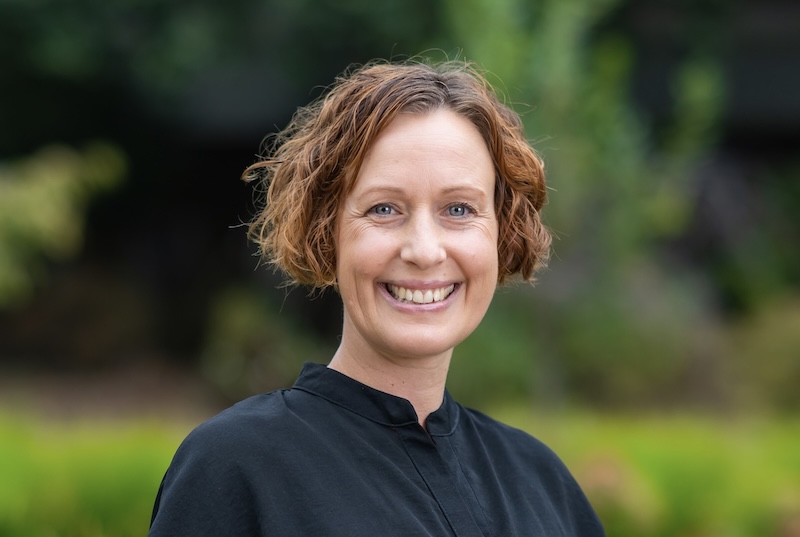
Image: Dr Sarah Grimshaw
“Recent studies found an underlying process of frailty contributes to the premature disease and death in childhood cancer survivors. This is likely due to the impact of cancer treatment damaging healthy cells.”
A key feature of frailty is sarcopenia which involves treatment-related involuntary loss of skeletal muscle mass and strength. The condition occurs in 30-50 per cent of children within six weeks of a leukaemia diagnosis, and if left untreated, it can lead to an increased risk of frailty at the end of treatment.
Dr Grimshaw’s research aims to understand if children who develop sarcopenia in the early treatment phase for leukaemia are at increased risk of frailty, and whether a proactive physical activity and exercise intervention can reduce frailty risk.
“Finding strategies to address frailty is identified as a key priority in improving quality of life, however, there is little research into interventions that can reduce cancer treatment toxicity and its contribution to frailty in survivors of childhood leukaemia,” Dr Grimshaw said.
The study will recruit 50 patients, aged 4-17, with leukaemia from The Royal Children’s Hospital who have a new or relapsed diagnosis of acute lymphoblastic leukaemia, a form of the blood cancer that occurs when the bone marrow produces too many lymphocytes (a type of white blood cell).
Dr Grimshaw said the research would help to identify children who have high risk of frailty and put in place early intervention strategies to reduce this risk.
“Results will inform new clinical practice guidelines and improved clinical care, and have the potential to improve long-term health outcomes for children with leukaemia,” she said.