Eight researchers awarded NHMRC Investigator Grants
- Details
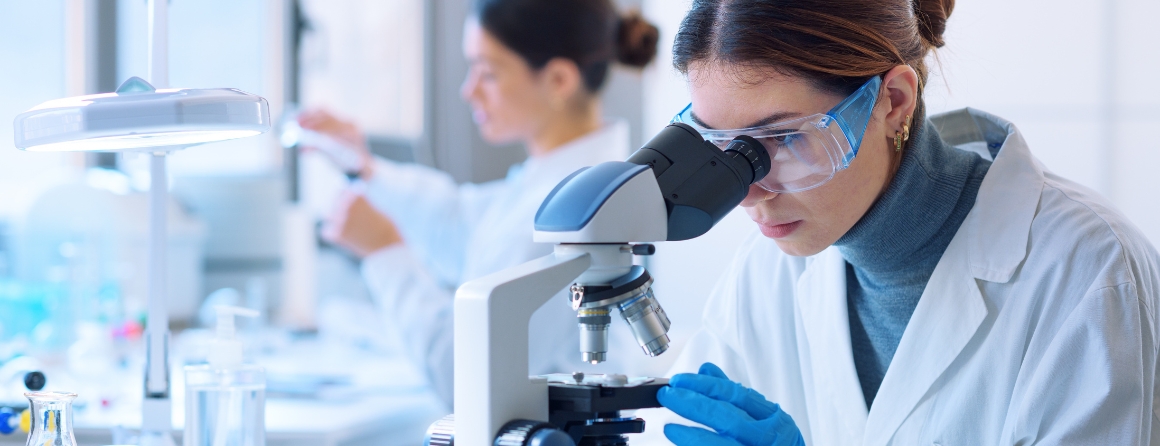
Advancing research into genetic conditions, food allergies and tuberculosis are among the latest Murdoch Children’s Research Institute (MCRI) projects to receive federal grants.
MCRI Professor Nigel Curtis, Professor Angela Morgan, Professor Zornitza Stark, Associate Professor Deanne Thompson, Professor Margarita Moreno-Betancur, Professor Peter Azzopardi, Dr Laila Ibrahim and Dr Victoria Soriano have been awarded 2025 National Health and Medical Research Council (NHMRC) Investigator Grants, worth a total of $18.3 million.
Professor Curtis has secured $2.8 million to develop a new diagnostic test for childhood tuberculosis (TB) and investigate how the immune system protects against the disease and other infections.

Image: Professor Nigel Curtis
“Certain markers in the blood may shed light on which children are at the highest risk of severe infections and could also help us determine treatment options earlier,” he said.
“We will also investigate how the immune system responds to the existing TB vaccine, with the potential for new and more targeted vaccines to be developed.”
Professor Morgan has received $2.8 million to identify genes that influence or drive severe speech disorders.

Image: Professor Angela Morgan
Up to one in seven children are impacted by speech and language disorders, with many currently supported by the National Disability Insurance Scheme (NDIS).
Professor Morgan said her team would uncover more genes linked with speech disorders and further develop a world-first digital speech test to advance detection, diagnosis and treatment of these conditions.
Professor Stark has been awarded $2.8 million to shorten the diagnostic odyssey for children with rare genetic diseases, the leading cause of death in children living in high income countries like Australia.

Image: Professor Zornitza Stark
She said the funding would allow her team to explore the use of genomic sequencing to diagnose unwell children, including those awaiting transplants, and a population-based screening test in healthy newborns.
“Genomic sequencing is a tool that enables more personalised treatments for children and advancing its implementation will mean MCRI remains at the forefront of diagnosis and screening over the next five years and beyond,” she said.
Associate Professor Thompson has received $2.8 million to improve the lives of babies with brain injuries and neurological disorders by using AI to detect early signs of abnormal brain development.

Image: Associate Professor Deanne Thompson
“This study represents the cutting edge of advanced imaging analysis and will help clinicians diagnose and treat high-risk babies sooner,” she said. We will uncover markers of poor development at the earliest age possible.”
Associate Professor Thompson said her research would look at the effectiveness of therapies to treat brain injury, investigate blood proteins that reflect changes in the brain, and establish which early interventions could boost motor and cognitive skills in high-risk babies.
Professor Moreno-Betancur has received $2.8 million to advance data analysis in complex, long-term research projects.
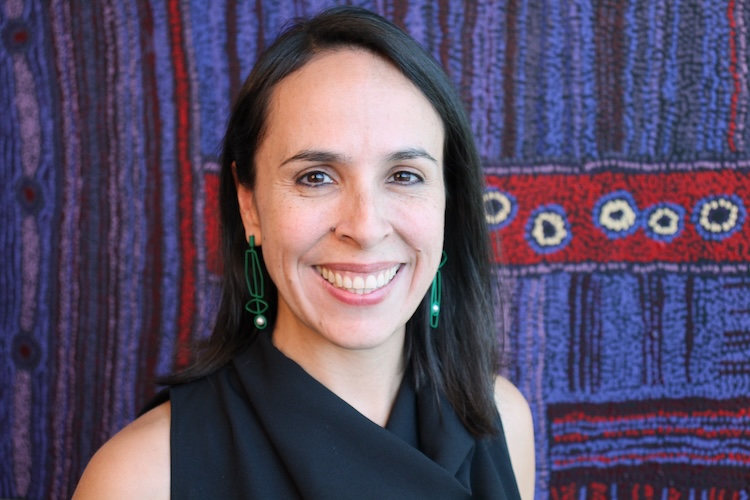
Image: Professor Margarita Moreno-Bentacur
She said her team would work to develop and embed advanced statistical (maths) methods in health research to answer important questions on how to improve the wellbeing of young people and families.
“To make major breakthroughs in health research we need to understand how real or potential interventions impact development and wellbeing,” she said. This requires powerful statistical methods that are fit for purpose and can tackle large amounts of complex information.”
Professor Azzopardi has received $2.8 million to improve adolescent health, focusing on mental health, sexual and reproductive health and obesity.
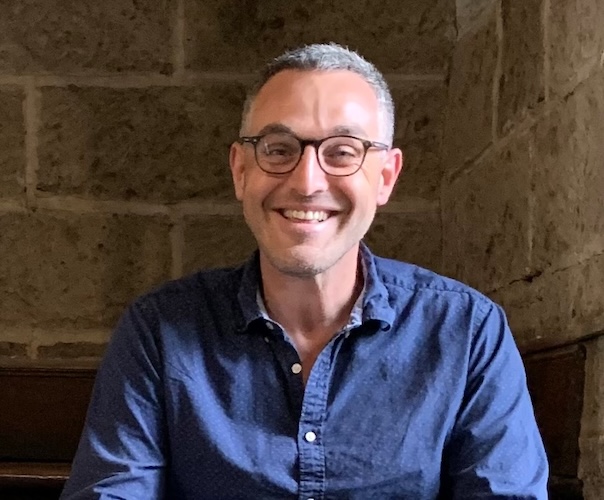
Image: Professor Peter Azzopardi
“Adolescents have unique health needs but have been largely neglected in policies and programs,” he said.
“Our focus will be in the Asia Pacific region, home to more than half of the world’s young people. We will work in close partnership with young people, policy makers and other partners to define the best ways to meet the needs of young people.”
Dr Ibrahim has received $688,000 to investigate ways to reduce the use of intravenous (IV) antibiotics in paediatric hospitals. Her research aims to keep children with infections out of hospital where possible, freeing up beds for those in urgent need.

Image: Dr Laila Ibrahim
Many children admitted to hospitals in Australia receive IV antibiotics, usually for common childhood infections like urinary tract infections (UTIs), cellulitis (severe skin infections) and dental abscesses.
“We will investigate whether IV antibiotics could be delivered safely at home or replaced with oral antibiotics, which would allow the sickest children to receive the most timely care,” she said.
Dr Soriano has received $688,000 to investigate social, economic and cultural barriers to food allergy prevention.

Image: Dr Victoria Soriano
Australia is the food allergy capital of the world, with one in 10 infants at risk of anaphylaxis. The current recommendation to families is the introduction of peanut and egg in the first year of life.
Dr Soriano said while cultural differences impacted breastfeeding and the diet of babies, not enough research had been done into how these factors also influence food allergy.
“There is a lack of diverse population data in Australia, which hinders us from having a full picture of why we have such high rates of food allergy,” she said.
“This study is about equity and making sure the latest research is highly relevant to everyone is Australia and not just specific populations.”
Read more about MCRI’s Infectious Diseases, Speech and Language, Genomic Medicine, Biostatistics, Infant Neurodevelopment, Adolescent Health, Clinical Infections and Population Allergy research.
*The content of this communication is the sole responsibility of Murdoch Children’s Research Institute (MCRI) and does not reflect the views of the NHMRC.
Share //