MCRI WHO Collaborating Centre for Child Health continues
- Details
The World Health Organization (WHO) has designated the Murdoch Children's Research Institute (MCRI) Enteric Diseases Research Group as a WHO Collaborating Centre for Child Health for another three years.
After becoming a collaborating centre in 1989, WHO extended the term until 2030 in recognition of MCRI’s major contributions to global rotavirus research.
Enteric Diseases Group Leader and Senior Principal Research Fellow Professor Julie Bines Heads the WHO Collaborating Centre, based at MCRI.
“It is a great privilege and responsibility to support WHO in its efforts to reduce child deaths and suffering due to rotavirus gastroenteritis worldwide,” she said.
"The aim of our Centre is to provide expert advice on how to accurately detect rotavirus in children with gastroenteritis."
“The Centre strengthens regional and national laboratories to identify rotavirus and distinguish between different strains. This will help improve understanding of the global burden of rotavirus disease and changing patterns of rotavirus genotypes causing disease."
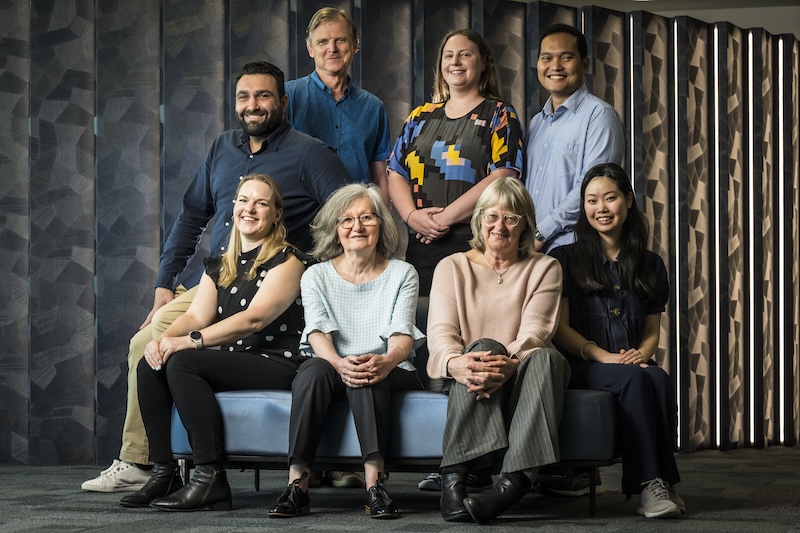
Image: Drs Turgut Aktepe, Josef Wagner, Celeste Donato and Jonathan Hasian Haposan; bottom row: Sarah Thomas, Nada Bogdanovic-Sakran, Professor Julie Bines and Ruth Phang.
MCRI’s Enteric Diseases Group aims to reduce disease burden and deaths due to enteric diseases – infections or inflammatory conditions of the gastrointestinal tract. Referred to as stomach bugs or food poisoning, enteric diseases are caused by bacteria, viruses or parasites, and lead to diarrhoea, vomiting, fever and abdominal cramps.
Rotavirus, which is a key focus of the Group, is a highly infectious gut virus that affects babies and young children and is the most common cause of severe childhood diarrhoea worldwide. The virus causes around 215,000 deaths a year, with more than 90 per cent occurring in low-income countries in Africa and Asia.
The WHO Collaborating Centre for Child Health continues to make a major contribution in the standardisation of detection and characterisation of rotavirus.
The Centre has contributed to the revision of the WHO Surveillance Network Training manual detailing the methodology for the genetic characterisation of rotaviruses. The manual will be used in participating countries.
Professor Bines said the Centre also provided expert advice and guidance to laboratories and scientists on methods, quality systems and troubleshoots problems as they arise.
WHO Collaborating Centres are institutions designated by the Director-General to carry out activities in support of the Organization's programs.
The Collaborating Centre for Child Health is one of four collaborating centres based at the Melbourne Children's Campus, a recognition of the expertise across the campus in global child and adolescent health.

Share //