Protecting children receiving cancer treatment from infections
- Details
A new trial will test whether a tool that harnesses Apple Watch health data and artificial intelligence can help protect children undergoing cancer treatment from infections.
Murdoch Children’s Research Institute (MCRI) aims to explore the ability of a custom designed research app to detect signs of looming infection over a four-week period. Under the trial, Apple Watch data including respiratory and heart rates, blood oxygen levels and physical activity will only be accessible in a secure app.
MCRI Professor Rachel Conyers said the app may help detect infections earlier and allow clinicians to intervene sooner.
How will the WEARABLES study help protect children receiving cancer treatment?
“Apple Watch has an array of features that offer access to health and activity insights, making it another potential, non-invasive, platform for detecting early signs of infection,” she said.
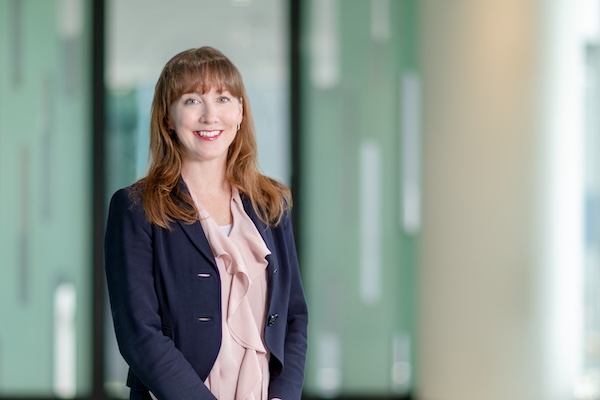
Image: Professor Rachel Conyers
“Children having chemotherapy are immunocompromised, making them more vulnerable to infection. Combining wearable technology with artificial intelligence we will develop an infection prediction model to give us the clues to help reduce further suffering. This early warning system could mean faster care, fewer hospital stays and less worry for families.”
The WEARABLES study is recruiting 150 patients, aged 5-18 years, who are receiving chemotherapy at The Royal Children’s Hospital.
Professor Conyers’ research team has also previously studied the feasibility of using the Apple Watch ECG app to monitor children’s hearts during cancer therapy to better understand and prevent heart damage.
What impact does cancer treatment have on children?
Treatments for childhood cancers have improved remarkably, with the five-year survival rate now exceeding 80 per cent in developed countries. But these treatments are not without side effects.
Studies have showed that about 60 per cent of survivors report at least one chronic health condition and more than a quarter have a severe or life-threatening illness as a direct result of their cancer treatment. Of the children who experienced side effects, 90 per cent are treated for infections.
Oliver, 6, who has rare, aggressive blood cancer, is taking part in the trial.
Jacqui, Oliver’s mum, said he was keen to help other children receiving cancer treatment.
Read more about Oliver’s experience with cancer and how he is finding the trial.
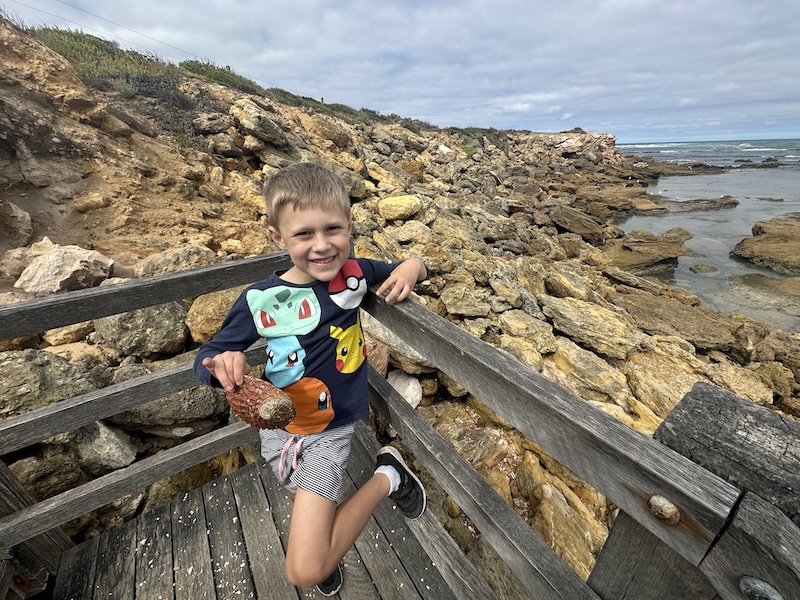
Image: Oliver at the beach