
Nasogastric Tube Insertion Study – a randomised controlled trial
- Project status: Active
Research area: Clinical Sciences > Emergency Research
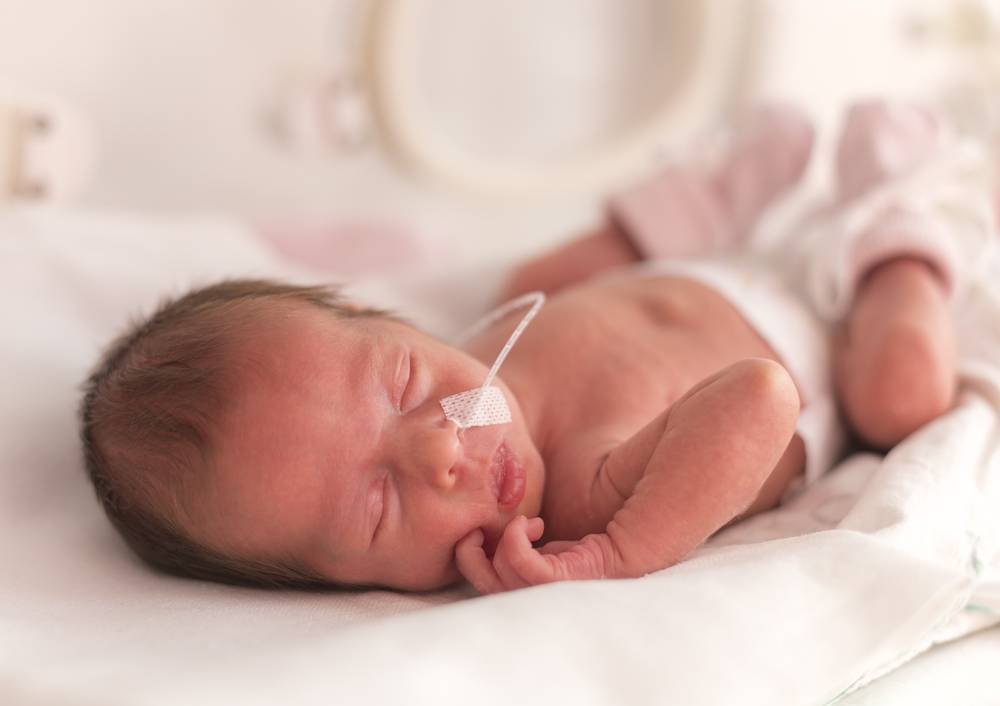
This is a randomised controlled trial (RCT) of interventions to reduce the pain and distress of nasogastric tube (NG) insertion in young children.
The challenge
Nasogastric (NG) tube insertion is a common procedure in young children and is undertaken for hydration, nutritional support, gastric decompression, and medication delivery.
Despite being frequently performed, NG tube insertion is consistently associated with substantial pain and distress in infants and young children. Current approaches to procedural analgesia are inconsistent and often inadequate.
Existing paediatric evidence regarding effective pain relieving or sedative interventions for this procedure is limited. Adult data support the benefit of local anaesthetic (numbing medicine), and procedural sedation is widely used in paediatric practice for similarly distressing procedures. However, no comparative trials have evaluated commonly used sedation and pain-relieving strategies for NG tube insertion in young children.
About this study
The aim of this study is to determine the most effective method for reducing distress during NG tube insertion in children aged six months to less than five years.
Outcomes
The primary outcome is the proportion of children who experience severe distress during the first NG tube insertion attempt. Severe distress will be measured using a pain score.
Secondary outcomes include distress and sedation measured at multiple time points, procedural success and number of insertion attempts, requirements for physical restraint of children, complications, clinician‑ and caregiver‑reported outcomes, time‑based process measures, and cost‑effectiveness.
Study design
This study is a multi‑centre, open‑label randomised controlled trial to determine the most effective method to reduce distress during NG tube insertion in children aged six months to less than five years.
Participants will be randomised to one of four study arms:
- Topical intranasal lidocaine – a local numbing medicine- with usual care
- Intranasal midazolam – a sedative medicine - plus topical intranasal lidocaine with usual care
- Intranasal fentanyl – a pain-relieving medication - plus topical intranasal lidocaine with usual care
- Usual care alone.
Our research team
- Professor Simon Craig, Research Lead
- Associate Professor Di Crellin, Investigator at The Royal Children’s Hospital (RCH)
- Jessica Nooney, Study Coordinator, Monash University
Funding & collabortions
Thanks to our funders, and supporters.
This work funded by Medical Research Future Fund (MRFF) grant - Comparative Effectiveness Trial – GNT2031095.
This study is in collaboration with the Paediatric Research in Emergency Departments International Collaborative (PREDICT) network.
Contact us
For more information about this study, please contact us.
Professor Simon Craig, Chief Principal Investigator, MCRI
Email:
show email address
Associate Professor Di Crellin, Investigator at The Royal Children’s Hospital (RCH)
Email: [email protected]
Jessica Nooney, Study Coordinator, Monash University
Email: [email protected]
Get the latest news

Last-line antibiotics at risk as children’s resistance rises

COVID-19 booster strategies provide lasting immunity

Exploring the future of child health through art and science

Australia’s first guidelines to target high blood pressure in children
MCRI receives stem cell medicine grant to advance drug discovery

Introducing our 2025 Annual Report
Children at centre of stem cell research decisions with MRFF grant

Vale Patricia Ilhan

Genomic tool highly effective at detecting rare disease diagnoses

Social media use linked to poorer mental health in early adolescence

Safety concerns biggest barrier to vaccination

Accelerating recovery for children with concussion

Share //