VIBeS 20-year follow-up
- Project status: Complete
Research area: Clinical Sciences > Victorian Infant Brain Studies (VIBeS)
Victorian Infant Brain Studies (VIBeS) 20-year follow-up
This phase of the VIBeS study is complete.
The phase of the VIBeS cohort was a 20-year follow-up, which aimed to understand how early brain development affected cognitive, physical, and mental health in adulthood. Researchers also explored how genetics, early health, and social factors shaped brain and cognitive development, and how brain structure related to function at age 20.
The VIBeS cohort is the world’s largest long-term study that used brain imaging and developmental assessments to track children born very preterm and at term.
This phase of the VIBeS study is complete.
The phase of the VIBeS cohort was a 20-year follow-up, which aimed to understand how early brain development affected cognitive, physical, and mental health in adulthood. Researchers also explored how...
This phase of the VIBeS study is complete.
The phase of the VIBeS cohort was a 20-year follow-up, which aimed to understand how early brain development affected cognitive, physical, and mental health in adulthood. Researchers also explored how genetics, early health, and social factors shaped brain and cognitive development, and how brain structure related to function at age 20.
The VIBeS cohort is the world’s largest long-term study that used brain imaging and developmental assessments to track children born very preterm and at term.
To understand development from birth to 20 years of age
We know that thinking, language, behaviour, and physical skills during childhood sometimes needed to be targeted and supported for children born early. However, not much was known about what happened beyond childhood and into adulthood.
Given the number of important biological and social changes that occurred in early adulthood, it was critical to examine development during this time. This valuable information enabled researchers and clinicians to ensure appropriate and targeted support was provided to individuals born early beyond the childhood years.
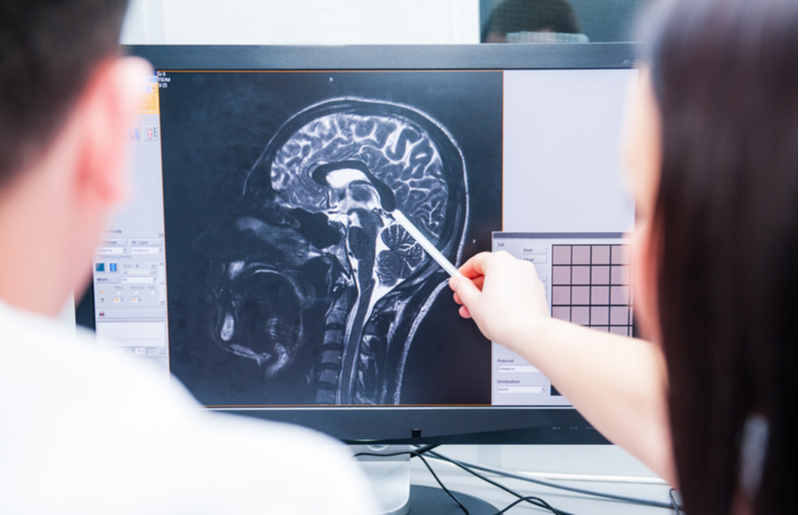
The purpose of VIBeS20 was to gather detailed information on a group of individuals born very preterm and full-term to understand brain development, thinking skills, and physical and mental health. The study examined memory, attention, communication, as well as physical outcomes such as cardiovascular health and motor skills. Researchers were particularly interested in brain growth, which involved an MRI scan.
For more information on our studies, please visit our Victorian Infant Brain Studies (VIBes) research group or email us at show email address .
Newsroom
COVID-19 booster strategies provide lasting immunity
Exploring the future of child health through art and science
Australia’s first guidelines to target high blood pressure in children
MCRI receives stem cell medicine grant to advance drug discovery
Introducing our 2025 Annual Report
Children at centre of stem cell research decisions with MRFF grant

Vale Patricia Ilhan
Genomic tool highly effective at detecting rare disease diagnoses

Social media use linked to poorer mental health in early adolescence
Safety concerns biggest barrier to vaccination
Share //