
Asia-Pacific Health
Improving the health of children and families in the Asia-Pacific
Our research provides evidence for policy and clinical practice to improve child health outcomes in resource-poor settings in the Asia-Pacific region. We partner with governments, local institutions and the World Health Organization (WHO) to answer questions needed for policy decision-making and assist with translating new evidence into practice.
Our research focus
We focus on high-impact research programs in:
- Optimising vaccination schedules
- Measuring vaccine impact
- Health economics
- Improving child health outcomes
Our work began with evaluating reduced-dose pneumococcal conjugate vaccine (PCV) schedules, which helped shape the global PCV research agenda.
Research highlights
Our research started with evaluating reduced-dose pneumococcal conjugate vaccine (PCV) schedules, which helped to set the global PCV research agenda.
We are now evaluating:
- The impact of optimised PCV schedules, rotavirus and a single-dose human papillomavirus (HPV) vaccine schedule in various Asia-Pacific countries
- The use of azithromycin in labour to prevent maternal and infant infections
- Approaches to describe and monitor equity and quality of medical care
During the COVID-19 pandemic, we rapidly utilised our expertise in vaccines, infectious diseases epidemiology and global child health to contribute to the pandemic response and communicating evidence to the broader community.
Our vision
- Undertake high-priority, innovative, translational research to improve equitable health outcomes in low- and middle-income settings globally, with a particular focus on the Asia-Pacific region
- Develop the next generation of local and regional global health research leaders and support in-country research capacity
- Communicate our findings widely and ensure they are translated into local, regional and global policy and clinical practice by working in partnership with relevant stakeholders.
Watch the impact of Pneumococcal Vaccine in Laos
Watch the New Vaccine Evaluation Project - Fiji
More information
- COVID-19 Weekly Vaccine Updates, The University of Melbourne
- COVID-19 in Victorian Schools Report
- Research articles, Professor Fiona Russell - The University of Melbourne
- News articles, Professor Fiona Russell - The Conversation
- Research articles, Dr John Hart - The University of Melbourne
- News articles, Dr John Hart - The Conversation
Group Leaders

Team Leaders

Group Members






Our programs
Vaccine schedules
- Optimal timing and number of doses of pneumococcal conjugate vaccine (PCV)
- Predicting the impact of changing from a 3 dose to 2 dose PCV schedule
- Duration of protection from a single dose of the human papillomavirus (HPV) vaccine
Measuring vaccine impact
- With imperfect datasets and minimal disease surveillance
- And herd protection
- Defining the role of pneumococcal carriage
Health economics
- Meningococcal C; simultaneous introduction of 3 new vaccines; 1+1 PCV schedule
- Impact of a severe health event in childhood on household health and wealth
Child health
- Antibiotics to prevent maternal and infant infections
- Indicators to monitor child health, equity and quality of care
Our projects
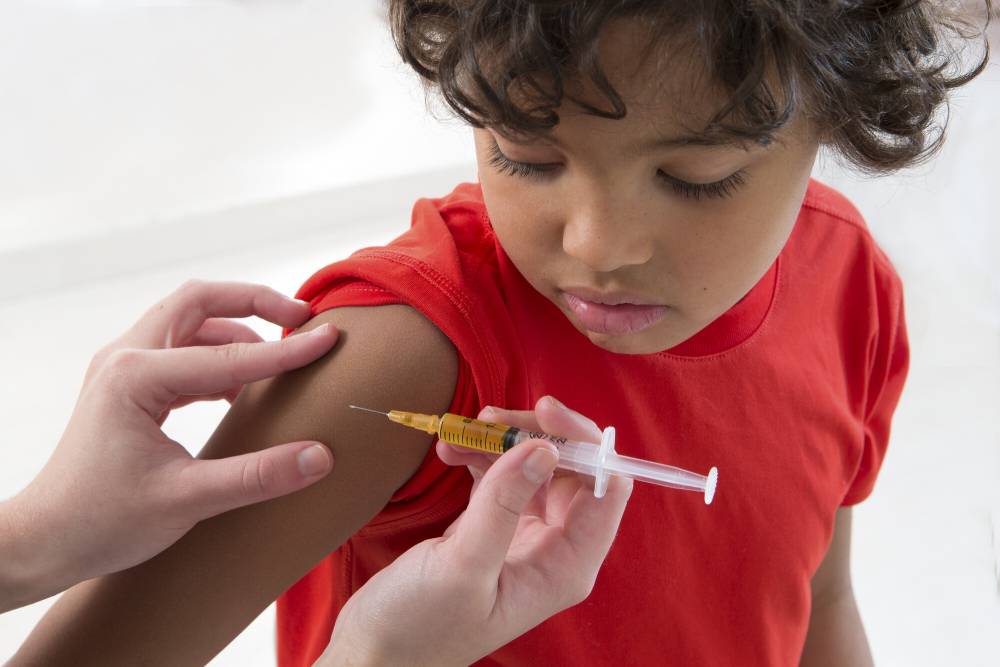
Asia-Pacific Vaccine Research Network (APVRN)
Increasing vaccine research capability for immunisation policy decision-making. Immunisation is one of the most powerful health investment tools we have to keep people healthy, prevent disability and save lives.
Vaccination plays a key role in promoting improving health equity and addressing health security issues around the world.
Read more...
Pneumococcal disease modelling study and cost-effectiveness analysis to assess PCV 1+1 in Thailand
Building on a transmission model developed for Fiji, this study aims to calibrate a pneumococcal infectious disease model to support a cost-effectiveness analysis comparing the 1+1 PCV schedule with the standard three-dose schedule.
Read more...
Vaccine effectiveness of a single dose of quadrivalent human papillomavirus vaccine in Fijian women approximately 17 years following vaccination
This study aims to assess the long-term effectiveness of a single dose of the quadrivalent HPV (4vHPV) vaccine against HPV in Fijian women approximately 17 years following the HPV vaccination campaign conducted in 2008/2009.
Read more...NHMRC Centre of Research Excellence for Pneumococcal Disease Control in the Asia-Pacific (CRE-PDC) (2020-2025)
The CRE-PDC addresses two critical research gaps in pneumococcal conjugate vaccine (PCV) use across the Asia-Pacific region:
- Country-level decisions regarding reduced-dose PCV schedules (1+1 dose), and
- Understanding serotype replacement following vaccine introduction.
This international collaboration includes partners from Fiji, Vietnam, Lao PDR, Mongolia, the Philippines, Thailand, Singapore, and the UK. The program aims to generate new evidence to support sustainable national PCV immunisation programs, foster partnerships with key end-users to ensure effective research translation, build new international linkages, and develop the next generation of researchers.
The CRE-PDC comprises 10 core projects, numerous affiliated studies, and will host two regional forums focused on PCV sustainability. The National Health and Medical Research Council (NHMRC) funds it.
Featured research highlights:
- Will two doses of pneumococcal conjugate vaccine be enough?
Investigating the efficacy of reduced-dose PCV schedules. - Global impact of ten-valent and 13-valent pneumococcal conjugate vaccines on invasive pneumococcal disease in all ages (PSERENADE project):
A global surveillance analysis. - Inequitable distribution of global economic benefits from pneumococcal conjugate vaccination:
Exploring disparities in vaccine-related economic outcomes. - Effectiveness of 13-valent pneumococcal conjugate vaccine against hypoxic pneumonia and hospitalisation in Papua New Guinea:
An observational cohort study. - Factors associated with pneumococcal nasopharyngeal carriage:
A systematic review. - Impact of 10-valent pneumococcal vaccine introduction on invasive disease in Fiji.
World Health Organization (WHO) Pneumococcal Conjugate Vaccines (PCV) reviews
We undertook three reviews to support the World Health Organization (WHO) Strategic Advisory Group of Experts (SAGE) on Immunsiation update their 2025 PCV Position Paper and the findings were presented to SAGE.
To support the development of updated WHO guidelines for childhood pneumonia, a major review was commissioned focusing on countries with a high burden of disease. The recommendations aim to strengthen pneumonia management through:
- Improved diagnostic criteria and earlier case detection
- Prompt treatment by community health workers
- Increased availability of essential equipment, medicines, and vaccines
- A multisectoral approach involving health, education, environment, and nutrition sectors
- Sustaining essential services during crises
Our team led the public health and epidemiology components of the review and identified several key findings:
- Antibiotic resistance was not associated with worse clinical outcomes in pneumonia cases.
- Insufficient evidence was found to support the use of additional therapies such as vitamin supplementation.
- While overall pneumonia rates have declined, inequities persist within countries, and vulnerable, high-risk populations must be prioritised.
- Pneumococcal conjugate vaccines (PCVs) have significantly reduced pneumonia burden. Countries without PCV in their national immunisation programs should prioritise its roll-out.
Key publications:
- Impact of PCV10 and PCV13 on pneumonia outcomes in children aged 0–9 years:
A systematic review of hospitalisation rates, radiologically confirmed pneumonia, severe cases, and mortality. - Slow progress in pneumonia control in low- and middle-income countries:
A systematic review of pneumonia indicators. Journal of Global Health - Aetiology of childhood pneumonia in the era of vaccination:
A systematic review focused on low- and middle-income countries.
Optimising the PCV schedule for immunisation policy decision-making, Fiji
While the three-dose pneumococcal conjugate vaccine (PCV) schedule is effective, it remains costly and complex to implement. Updated WHO guidelines now recommend that countries with mature PCV programs may consider transitioning to a two-dose (1+1) schedule, provided high coverage and robust monitoring systems are in place.
There is an urgent need to identify cost-effective strategies that maintain protection against pneumococcal transmission and disease, especially in low- and middle-income countries (LMICs) where limited disease surveillance capacity hinders evidence-based decision-making.
Fiji introduced the ten-valent PCV (PCV10) in late 2012 using a three-dose (3+0) schedule. Thirteen years on, the Fijian government is evaluating a shift to a 1+1 schedule.
In collaboration with the Fiji Ministry of Health and Medical Services, The University of Melbourne, and the London School of Hygiene & Tropical Medicine, and with funding from the Australian Department of Foreign Affairs and Trade, this project aims to assess the potential impact of transitioning to a 1+1 PCV10 schedule.
Key components of the project include:
- Analysis of invasive pneumococcal disease (IPD) trends from 2013 to 2023
- Development and validation of a dynamic transmission model to predict the impact of a 1+1 schedule on pneumococcal carriage, IPD, and cost-effectiveness over a 10-year horizon
- Estimation of the economic burden of pneumonia in children under five and IPD
- Capacity building to strengthen local expertise in analysing and applying epidemiological and economic data to support immunisation policy decisions.
Effectiveness of PCV against antimicrobial resistance, Lao PDR
For eight years, we have been undertaking pneumococcal carriage and acute respiratory infection surveillance in children in collaboration with the Lao-Oxford-Mahosot Hospital-Wellcome Trust Research Unit (LOMWRU), the Lao PDR University of Health Sciences and the MCRI Translational Microbiology Groups.
We are extending this surveillance to look at the impact of PCV on antimicrobial resistance (AMR), which is an immense problem in Asia. The Wellcome Trust funded this study.
SARS-CoV-2 epidemiology and COVID-19 vaccine effectiveness in Australia
This study will use linked data to describe the epidemiology of COVID-19 and estimate the vaccine effectiveness of COVID-19 vaccines in children and adults against COVID-19-related hospitalisation or ICU admission, and COVID-19-related mortality.
The study will utilise the Australian Institute of Health and Welfare (AIHW) COVID-19 linked data set which links the national COVID-19 register to whole population health-related databases.
Getting ready for the next generation of vaccines: GBS burden of disease
As part of the Department of Foreign Affairs and Trade (DFAT) Regional Health Partnerships grant, we will be determining the burden of Group B Streptococcal disease in mothers and infants in Fiji. Maternal GBS vaccines are under development and the first step in determining whether vaccination is warranted or not, is to determine the burden of disease.
Strengthening clinical trials in child health
Our team are on the WHO Technical Advisory Group and Paediatric Working Group to strengthen clinical trials.
Additionally, The World Medication Association updated their Declaration of Helsinki to ensure it covers research in the context of health emergencies and disasters. We participated in the Western Pacific consultation to speak on the importance of including children in research during times of disasters.
Key publications;
- Strengthening the paediatric clinical trial ecosystem to better inform policy and programmes, Berkley, James A et al. The Lancet Global Health, Volume 13, Issue 4, e732 - e739
- The Selangor Consensus: Strengthening clinical trials for local public health in the Western Pacific, Park, Kidong et al. The Lancet Regional Health – Western Pacific, Volume 48, 101136
Bula Bula MaPei Trial, Fiji
Skin and soft tissue infections (SSTIs) are a common cause of infant and maternal morbidity and a significant contributor to infant mortality. In settings with limited access to healthcare, simple and affordable preventive strategies are urgently needed.
The Bula Bula MaPei Trial is a blinded, placebo-controlled phase III randomised controlled trial conducted in Fiji. It investigates whether a single dose of oral azithromycin administered to women during labour can reduce SSTI rates and bacterial carriage in young infants, targeting pathogens commonly responsible for maternal and neonatal infections.
Key findings to date include:
- Intrapartum azithromycin significantly reduces postpartum infections, including SSTIs, supporting its use in specific contexts particularly as adjunctive prophylaxis during caesarean sections.
- However, evidence remains limited regarding its potential impact on antimicrobial resistance, the infant microbiome, and long-term resistance patterns.
- Further research is needed to understand these broader public health implications and to identify target populations who may benefit most.
This study is conducted in collaboration with the Fiji Ministry of Health and Medical Services, the MCRI Translational Microbiology Groups, and is funded by the NHMRC.
Related publications:
- Study Protocol: Prevention of young infant infections using oral azithromycin in labour in Fiji (Bulabula MaPei)
- Trial Results: Safety and efficacy of a single dose of oral azithromycin given in labour to prevent SSTIs in young infants in Fiji
- Hume-Nixon M, Clark S, Ratu T, Nguyen CD, Neal EFG, Bright K, Strobel AG, Watts E, Hart J, Fong J, Rafai E, Sakumeni K, Steer A, Tuibeqa I, Russell FM. The safety and efficacy of a single dose of oral azithromycin given in labour to prevent skin and soft tissue infections in young infants in Fiji: a randomised controlled trial. BMC Med. 2025 Apr 28;23(1):246. doi: 10.1186/s12916-025-04070-6. PMID: 40289086; PMCID: PMC12036277.
- Hume-Nixon M, Ratu T, Clark S, Nguyen CD, Neal EFG, Pell CL, Bright K, Watts E, Hart J, Mulholland K, Fong J, Rafai E, Sakumeni K, Tuibeqa I, Satzke C, Steer A, Russell FM. Prevention of young infant infections using oral azithromycin in labour in Fiji (Bulabula MaPei): study protocol of a randomised control trial. BMJ Open. 2022 Dec 1;12(12):e061157. doi: 10.1136/bmjopen-2022-061157. PMID: 36456016; PMCID: PMC9716885.
Financial impact of severe childhood illness on households, Lao PDR
High out-of-pocket (OOP) payments for healthcare can lead to catastrophic health expenditure (CHE) and push vulnerable families into poverty. In 2016, Lao PDR introduced a National Health Insurance (NHI) scheme to improve financial protection against such costs.
To assess the impact of NHI on household financial burden, we conducted a prospective cohort study at two hospitals, one covered by NHI and one not. The study focused on families of children hospitalised with severe illnesses.
Key findings include:
- Total household OOP costs were lower at the hospital with NHI coverage.
- However, rates of catastrophic health expenditure were similar across both hospitals.
- Health-related impoverishment was higher at the hospital with NHI, suggesting that while NHI reduces direct costs, it may not fully protect against broader financial hardship.
- Financial hardship disproportionately affected poorer households, rural families, and those with lower maternal education levels.
These findings highlight that while the NHI scheme offers some financial relief, significant inequities remain, and additional policy measures are needed to protect the most vulnerable.
This study was conducted in collaboration with LOMWRU and funded by the NHMRC Centre of Research Excellence for Pneumococcal Disease Control (CRE-PDC).
Incidence of early and late onset sepis in young infants, Fiji
Neonatal sepsis remains a leading cause of morbidity and mortality in young infants, particularly in resource-limited settings where access to timely care is constrained.
This study aims to:
- Describe the incidence of early and late onset sepsis in young infants in Fiji
- Identify predictors of early onset sepsis to inform clinical decision-making
- Support the development of a neonatal sepsis calculator tailored to the Fijian context
- Evaluate the role of evidence-based prophylactic antibiotic use in labour as a potential intervention to improve neonatal outcomes
By generating locally relevant data, this work will contribute to strengthening neonatal care in Fiji and guide more targeted, cost-effective interventions.
Funding
Thank you to our supporters.
- Australian Department of Foreign Affairs and Trade
- Australian National Health and Medical Research Council
- MCRI
- Gates Foundation
- Victorian Department of Health
- Thrasher Research Fund
- Wellcome Trust
- World Health Organization
- Gavi, the Vaccine Alliance
Global collaborations
We partner with leading institutions worldwide, including:
- Burnet Institute
- Duke-National University of Singapore
- Fiji National University
- Fiji Ministry of Health and Medical Services
- Lao PDR Ministry of Health
- Lao-Oxford-Mahosot Hospital-Wellcome Trust Research Unit (LOMWRU), Lao PDR
- London School of Hygiene and Tropical Medicine (LSHTM), UK
- Mahidol University, Thailand
- Mongolian Ministry of Health
- Papua New Guinea Institute of Medical Research (PNGIMR)
- Pasteur Institute, Vietnam
- South Australian Health and Medical Research Institute (SAHMRI)
- St George's, University of London, UK
- Telethon Kids Institute
- The Peter Doherty Institute for Infection and Immunity
- University of Health Sciences, Lao PDR
- University of Sydney
- University of the Philippines
- University of Western Australia
- Wellcome Sanger Institute, UK
- WHO Lao PDR Office
- WHO Western Pacific Regional Office
- World Health Organization (WHO)
Featured publications
Russell FM, Chokephaibulkit K. Will two doses of pneumococcal conjugate vaccine be enough? Lancet Infect Dis. 2024 May;24(5):449-451. doi: 10.1016/S1473-3099(23)00812-5. Epub 2024 Feb 1. PMID: 38310907.
Reyburn R, Tuivaga E, Ratu T, Young S, Garland SM, Murray G, Cornall A, Tabrizi S, Nguyen CD, Jenkins K, Tikoduadua L, Kado J, Kama M, Rafai E, Devi R, Mulholland K, Fong J, Russell FM. A single dose of quadrivalent HPV vaccine is highly effective against HPV genotypes 16 and 18 detection in young pregnant women eight years following vaccination: an retrospective cohort study in Fiji. Lancet Reg Health West Pac. 2023 Jun 14;37:100798. doi: 10.1016/j.lanwpc.2023.100798. PMID: 37359996; PMCID: PMC10285272.
Hart JD, Chokephaibulkit K, Mayxay M, Ong-Lim ALT, Saketa ST, Russell FM. COVID-19 vaccine boosters in the Asia-Pacific region in the context of Omicron. Lancet Reg Health West Pac. 2022 Mar;20:100404. doi: 10.1016/j.lanwpc.2022.100404. Epub 2022 Feb 16. PMID: 35187510; PMCID: PMC8847980.
Chan J, Mungun T, Batsaixan P, Ulziibayar M, Suuri B, Otgonbayar D, Luvsantseren D, Nguyen CD, Narangarel D, Dunne EM, Fox K, Hinds J, Nation ML, Pell CL, Mulholland EK, Satzke C, von Mollendorf C, Russell FM; PneuCAPTIVE Mongolia Research Group. Direct and indirect effects of 13-valent pneumococcal conjugate vaccine on pneumococcal carriage in children hospitalised with pneumonia from formal and informal settlements in Mongolia: an observational study. Lancet Reg Health West Pac. 2021 Jul 30;15:100231. doi: 10.1016/j.lanwpc.2021.100231. PMID: 34528012; PMCID: PMC8342962.
Hume-Nixon M, Quach A, Reyburn R, Nguyen C, Steer A, Russell F. A Systematic Review and meta-analysis of the effect of administration of azithromycin during pregnancy on perinatal and neonatal outcomes. EClinicalMedicine. 2021 Sep 9;40:101123. doi: 10.1016/j.eclinm.2021.101123. PMID: 34541478; PMCID: PMC8436060.
Russell FM, Greenwood B. Who should be prioritised for COVID-19 vaccination? Hum Vaccin Immunother. 2021 May 4;17(5):1317-1321. doi: 10.1080/21645515.2020.1827882. Epub 2020 Nov 3. PMID: 33141000; PMCID: PMC8078651.
Reyburn R, Tuivaga E, Nguyen CD, Ratu FT, Nand D, Kado J, Tikoduadua L, Jenkins K, de Campo M, Kama M, Devi R, Rafai E, Weinberger DM, Mulholland EK, Russell FM. Effect of ten-valent pneumococcal conjugate vaccine introduction on pneumonia hospital admissions in Fiji: a time-series analysis. Lancet Glob Health. 2021 Jan;9(1):e91-e98. doi: 10.1016/S2214-109X(20)30421-6. Epub 2020 Nov 20. PMID: 33227258.
Jenney AWJ, Reyburn R, Ratu FT, Tuivaga E, Nguyen C, Covea S, Thomas S, Rafai E, Devi R, Bright K, Jenkins K, Temple B, Tikoduadua L, Kado J, Mulholland EK, Kirkwood CD, Fox KK, Bines JE, Grabovac V, Khan AS, Kama M, Russell FM. The impact of the rotavirus vaccine on diarrhoea, five years following national introduction in Fiji. Lancet Reg Health West Pac. 2020 Nov 25;6:100053. doi: 10.1016/j.lanwpc.2020.100053. PMID: 34327400; PMCID: PMC8315333.
Weaver R, Nguyen CD, Chan J, Vilivong K, Lai JYR, Lim R, Satzke C, Vongsakid M, Newton PN, Mulholland K, Gray A, Dubot-Pérès A, Dance DAB, Russell FM. The effectiveness of the 13-valent pneumococcal conjugate vaccine against hypoxic pneumonia in children in Lao People's Democratic Republic: An observational hospital-based test-negative study. Lancet Reg Health West Pac. 2020 Sep 6;2:100014. doi: 10.1016/j.lanwpc.2020.100014. PMID: 34327372; PMCID: PMC8315332.
Weaver R, Nguyen CD, Chan J, Vilivong K, Lai JYR, Lim R, Satzke C, Vongsakid M, Newton PN, Mulholland K, Gray A, Dubot-Pérès A, Dance DAB, Russell FM. The effectiveness of the 13-valent pneumococcal conjugate vaccine against hypoxic pneumonia in children in Lao People's Democratic Republic: An observational hospital-based test-negative study. Lancet Reg Health West Pac. 2020 Sep 6;2:100014. doi: 10.1016/j.lanwpc.2020.100014. PMID: 34327372; PMCID: PMC8315332.
Dunne EM, Satzke C, Ratu FT, Neal EFG, Boelsen LK, Matanitobua S, Pell CL, Nation ML, Ortika BD, Reyburn R, Jenkins K, Nguyen C, Gould K, Hinds J, Tikoduadua L, Kado J, Rafai E, Kama M, Mulholland EK, Russell FM. Effect of ten-valent pneumococcal conjugate vaccine introduction on pneumococcal carriage in Fiji: results from four annual cross-sectional carriage surveys. Lancet Glob Health. 2018 Dec;6(12):e1375-e1385. doi: 10.1016/S2214-109X(18)30383-8. PMID: 30420033; PMCID: PMC6231327.