
Asia-Pacific Vaccine Research Network (APVRN)
- Project status: Active
Research areas: Infection, Immunity and Global Health > Asia Pacific Health
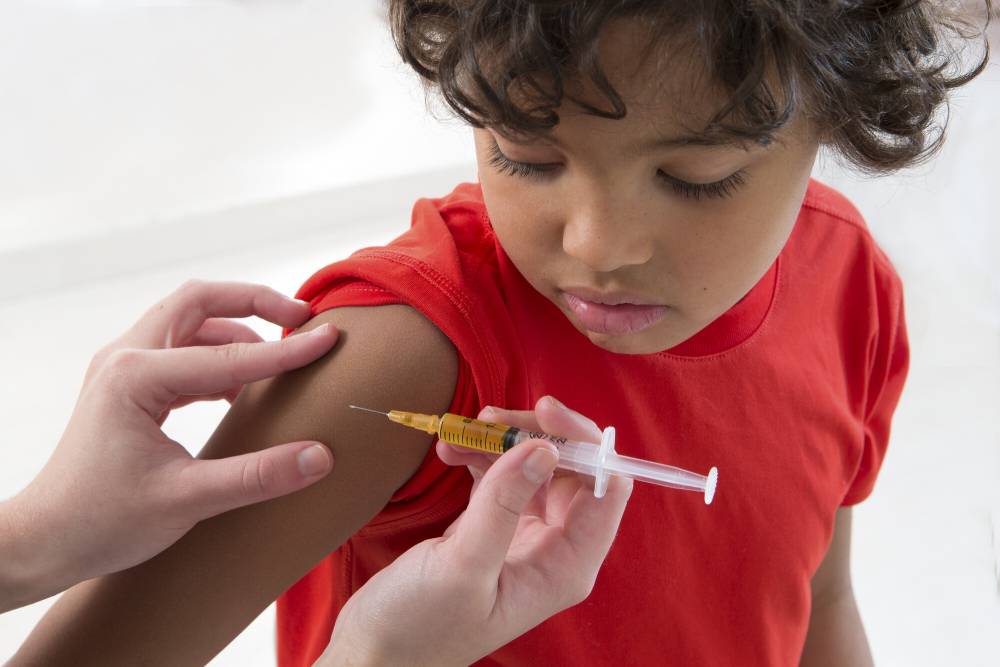
Increasing vaccine research capability for immunisation policy decision-making
Immunisation is one of the most powerful health investment tools we have to keep people healthy, prevent disability and save lives.
Vaccination plays a key role in promoting improving health equity and addressing health security issues around the world.
Immunisation is one of the most powerful health investment tools we have to keep people healthy, prevent disability and save lives.
Vaccination plays a key role in promoting improving health equity and addressing health security issues around the world.
Immunisation is one of the most powerful health investment tools we have to keep people healthy, prevent disability and save lives.
Vaccination plays a key role in promoting improving health equity and addressing health security issues around the world.
The challenge
In many low- and middle-income countries (LMICs), many challenges exist iincluding:
- Limited disease surveillance systems
- More frequent outbreaks, worsened by climate change
- High vaccine costs
- Gaps in policy development
- Low vaccine uptake
- Vaccine hesitancy and misinformation
- Limited capability to interpret data and undertake research to inform policy.
Addressing these issues calls for strengthening the capacity of local policymakers and researchers, ensuring they have the skills to generate and understand data, conduct relevant research, and translate evidence into effective immunisation policies.
Building a regional network
The Asia-Pacific Vaccine Research Network (APVRN) was created with support from the Australian Government’s Department of Foreign Affairs and Trade (DFAT) through the Australia Awards Fellowship. It was developed in response to shared priorities identified by our regional partners.
The Network aims to:
- Strengthen vaccine research across the Asia-Pacific
- Translate research into immunisation policies
- Train current and future leaders in collaborative, cross-disciplinary research
APVRN is building a vibrant regional community of practice. This includes shared learning, on-going professional development, and co-designed Masterclasses that are delivered in partnership with regional experts.
Ongoing support and growth
The APVRN continues to grow with ongoing support from DFAT’s Regional Health Partnerships. Together, we are working to ensure that countries across the Asia-Pacific are better equipped to protect their communities through strong, evidence-based immunisation programs.
Thank you to our funders, participating institutes and foreign ministries and our members.
Funding
Department of Foreign Affairs and Trade (DFAT)
Collaborations
- Universitas Gadjah Mada
- The University of Melbourne
Contact us
For more information, please contact us.
Asia-Pacific Vaccine Research Network
Email:
show email address
Co‑group leaders
- Professor Fiona Russell (Co-lead), Australia, Co-Group Leader, Asia-Pacific Health, MCRI
- Prof Jarir at Thobari (Co-lead), Indonesia, Co-Group Leader at Universitas Gadjah Mada
Team leaders & senior researchers
- A/Prof Claire von Mollendorf, Australia, Team Leader New Vaccines, MCRI
- Prof Nigel Crawford, Australia, Group Leader SAEFVIC, MCRI
- Prof Margie Danchin, Australia, Group Leader Vaccine Uptake, MCRI
- Prof Julie Bines, Australia, Group Leader Enteric Diseases, MCRI
- Prof Jim Buttery, Australia, Group Leader Epidemiology Informatics, MCRI
- Prof Kim Mulholland, Australia, Group Leader New Vaccines, MCRI
Country partners & project members
Indonesia
- Dr Lukman Ade Chandra, Indonesia, Universitas Gadjah Mada
- Dr Eggi Arguni, Indonesia, Universitas Gadjah Mada
Fiji
- Dr Ilisapeci Tuibeqa, Fiji, Ministry of Health and Medical Services
- Dr Stephanie Clark, Fiji, Ministry of Health and Medical Services
- Mr Isireli Koroituku, Fiji, Fiji National University
Lao PDR
- Dr Phonethipsavanh Nouanthong, Lao PDR, Ministry of Health
- Dr Vannida Douangboupha, Lao PDR, Ministry of Health
Mongolia
- Dr Dashpagam Otgonbayar, Mongolia, National Centre for Communicable Diseases
- Dr Narangerel Dorj, Mongolia, National Centre for Communicable Diseases
Thailand
- Dr Pawinee Doungngern, Thailand, Ministry of Health
Philippines
- Prof Anna Lisa Ong-Lim, Philippines, University of Philippines
- Dr Janis Asuncion Bunoan-Macazo, Philippines, Department of Health
Vietnam
- Dr Linh Phuong Tran, Vietnam, Pasteur Institute Ho Chi Minh City
- Dr Ha Hai Vu, Vietnam, National Institute of Hygiene and Epidemiology
Vaccine research training
The APVRN training aims to facilitate knowledge exchange by fostering vaccine research partnerships in the region. It offers training opportunities including:
- basic vaccinology
- understanding of data and research needs (including vaccine trials) to inform immunisation policy and programs
- training in knowledge translation so that knowledge gained through research can be translated into policy
- process of collating quality information and making policy recommendations using the WHO Global NITAG Network evidence to recommendations approach
- understanding and applying vaccine economics; the implementation of policy recommendations through advocacy and policy briefs
- addressing vaccine hesitancy and integrated health services to improve vaccination equity and vaccine uptake.
Training details
We encourage vaccine researchers, clinicians and health policymakers based in universities, government bodies and research centres within the Asia-Pacific region to participate.
The objective of this training is to:
- Understanding research needed for immunisation policy
- Process by which to find the evidence and undertake the research needed to inform immunisation policy
- How to translate this evidence to immunisation policy
- Connect regional leaders and emerging leaders to facilitate knowledge exchange, collaboration, and solutions to common immunisation challenges
Training we provide includes:
- Clinical trials design course
- Workshops co-delivered using case-based approach & local research examples from MCRI, Fellows, WHO & partners
- Masterclasses: Phase IV studies and other study designs, health economics
- Webinars
Webinar: Asia-Pacific Vaccine Research Seminar Series – Why do we need a tuberculosis vaccine?
Contact us
For more information about this training please contact us.
Email: show email address
Newsletters
Read our Asia-Pacific Vaccine Research Network eNewsletters.
Early career researchers (ECR) launching pad
We have compiled our new resource hub, where we collate resources relevant to early career researchers. These include resources on academic skills, networking and courses/seminars which are updated regularly.
External courses and resources
Vaccine acceptability and risk communication
Project lead: Professor Margie Danchin
In the Philippines and Indonesia, our team will collaborate with local tertiary institutes, University of the Philippines and Universitas Gadjah Mada, to support vaccine uptake through community-based interventions.
These co-designed programs will focus on capacity building for health workers and community leaders, enabling them to effectively communicate about childhood vaccines. Programs will target areas with low vaccine coverage.
Acceptability of birth-dose, halal RV3-BB rotavirus vaccine
Project lead: Professor Julie Bines
Indonesia plans to introduce the RV3-BB rotavirus vaccine in 2026. It offers key advantages: potential for birth-dose administration, increased religious acceptability, and local production.
We are launching an implementation study to evaluate a targeted intervention that enhances uptake, based on insights into caregiver and healthcare worker acceptance. Findings will inform policy and practical implementation within the Indonesian National Immunization Program.
Understanding infectious diseases epidemiology to inform immunisation programs
Measles-immunity gaps in Vietnamese children: risks and potential solutions
Project lead: Dr Lien Anh Ha Do
COVID-19 restrictions and economic challenges have reduced immunisation coverage in Vietnam, leading to a surge in measles outbreaks (45,550 suspected cases since January 2024). This study will assess immune responses to PCV13 in measles-recovered children without prior PCV doses, validating current vaccination strategies.
Sero-surveillance of typhoid infection in Indonesia
Project lead: Professor Julie Bines
Typhoid fever remains a major public health threat in LMICs. This multi-site, hospital-based study in Central Java will estimate the incidence of hospitalised typhoid fever and evaluate serological endpoints by comparing cases with febrile and healthy controls.
Group B Strep burden of disease: preparing for next-gen vaccines
Project lead: Professor Fiona Russell
We are determining the burden of Group B Streptococcal disease in mothers and infants in Fiji. This foundational data will inform decisions on the potential introduction of maternal GBS vaccines.
Vaccine safety capacity building and data visualisation
Project lead: Professor Jim Buttery
In collaboration with tertiary institutes in the Philippines and Indonesia, we are supporting vaccine safety and confidence through two subprojects:
- Co-developing graphical tools with hospital lab staff for specimen requests related to adverse events (e.g., troponin assay for myocarditis).
- Building social media monitoring capacity for vaccine-related mentions, including adverse events and misinformation.
Long-term protection of a single dose of HPV vaccine & validation of surveillance method
Project lead: Professor Fiona Russell
This retrospective cohort study evaluates the long-term protection of the 4-valent HPV vaccine, up to 17+ years post-vaccination. Conducted in partnership with Fiji National University, the Ministry of Health & Medical Services (Fiji), MCRI Vaccine Immunology Group, and SG.
Optimising immunisation schedules
Acute respiratory infection surveillance (RSV and pneumococcus)
Project lead: Professor Fiona Russell
In partnership with LOMWRU, Lao PDR University of Health Sciences, and MCRI Translational Microbiology, we are extending our 8-year surveillance to assess the impact of switching to Pneumosil in 2024.
Supporting evidence-based immunisation policy in Lao PDR
Project leads: Professors Fiona Russell and Nigel Crawford
This study identifies gaps and develops approaches to strengthen Lao PDR’s National Immunisation Technical Advisory Group (NITAG). We aim to build a context-appropriate model and explore key policy questions.
Modelling the impact of a switch from a 3 to 2 dose schedule (Thailand)
Project lead: Professor Fiona Russell
This project assesses the impact of transitioning to a 1+1 PCV10 schedule in Thailand. It includes economic burden estimates of pneumonia and IPD, supporting cost-effectiveness and budget impact analyses for policy decisions.
Key publications
Thobari JA, Arguni E, Bunoan-Macazo JA, Clark S, Dorj N, Douangboupha V, Doungngern P, Vu HH, Chandra LA, Haposan JH, Koroituku I, Nouanthong P, Ong-Lim AL, Otgonbayar D, Tran LP, Tuibeqa I, von Mollendorf C, Russell FM; Asia–Pacific Vaccine Research Network. Opportunities and challenges of conducting vaccine research in low and middle-income countries in the Asia-Pacific region: perspectives from the Asia-Pacific Vaccine Research Network. Lancet Reg Health West Pac. 2025 May 10;58:101559. doi: 10.1016/j.lanwpc.2025.101559. PMID: 40475887; PMCID: PMC12140067.
Kamaruzaman, N. K., Duong, H., Ong-Lim, A. L., Tran, L. P., Vu, H. H., Doungngern, P., Danchin, M., Jamrozik, E., Russell, F. M., & Attwell, K. (2025). COVID-19 Vaccine Mandates in Southeast Asia: A Comparative Study of Policies in Malaysia, the Philippines, Thailand, and Vietnam. World Medical and Health Policy. Advance online publication.
Vaccination news
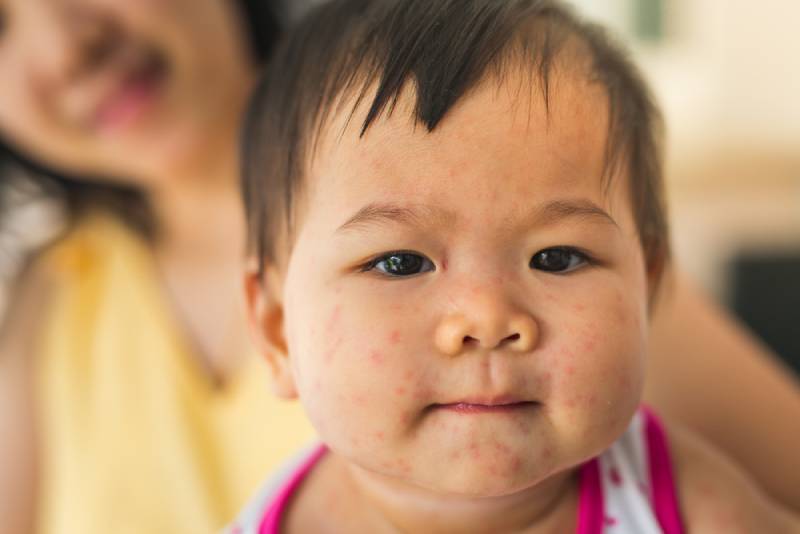
Immune responses to 13-valent pneumococcal conjugate vaccine (PCV13) in children recovering from measles infection
Safety concerns biggest barrier to vaccination

Dr Lien Anh Ha Do wins Thrasher Research Fund Award
Needle-free flu vaccine aims to boost children’s immunity

STEVIA project: Confirmation of hospitalised typhoid cases in Indonesia
SETIA Program: Surveillance of Enteric Typhoid Fever in Indonesia

SNIFFLES - Southern Hemisphere Nasal Influenza Flu Vaccine Experience Study

NHMRC Ideas Grants to advance childhood treatments and diagnoses

CSL Centenary Fellowship for Dr Carolien van de Sandt

Discovery into how breastfeeding impacts immunity in babies

Pneumococcal vaccine trial aims to provide more protection to babies

COVID-19 mRNA vaccine linked to temporary menstrual changes

Share //