NHMRC Ideas Grants to advance childhood treatments and diagnoses
- Details

Testing new treatments for blood disorders, improving rare disease diagnostic rates and better pain management tools for cerebral palsy patients are among the seven Murdoch Children’s Research Institute (MCRI) projects receiving a federal funding boost.
Associate Professor Katie Ayers, Professor Andrew Elefanty, Dr Ann Frazier, Associate Professor Adrienne Harvey, Associate Professor Paul Licciardi, Associate Professor Richard Mills and Dr Michelle Tollit have each received Ideas Grant grants from the National Health and Medical Research Council (NHMRC), worth a total of 12.4 million.
Associate Professor Ayers and her team will narrow down which parts of human DNA control the development of reproductive organs and may contribute to differences of sex development (DSD).
“We will develop a new tool that combines advanced stem cell and genomic technologies to decipher how DNA that sits between genes could play a role in this process and sometimes interrupt reproductive development,” she said.
“This detailed foundation of information will help boost diagnosis rates among children with these rare, often undiagnosed DSDs and help provide answers earlier in life.”

Image: Associate Professor Katie Ayers
Professor Elefanty and his team aim to correct genetic mutations in stem cells from patients who are predisposed to developing leukaemia, helping to pave the way for personalised, rejection-free bone marrow transplants.
“Previous MCRI-led studies showed it’s possible to create blood stem cells in the lab that resemble those in the body," he said. "We want to further develop this method to make gene corrected blood stem cells that can be offered as a transformative new treatment for inherited blood disorders."
Professor Elefanty said he hoped the study would lead to future clinical trials.

Image: Professor Andrew Elefanty
Dr Frazier’s project will examine ways to improve both diagnosis rates and treatments for ATAD3 dysfunction, a serious genetic disease that often leads to death shortly after birth.
MCRI-led research discovered that a group of genes, known as the ATAD3 gene cluster, impacts the function of mitochondria (our cell’s power plant), often leading to heart failure or neurodevelopmental disorders.
“We will study ATAD3 disorders more closely in the lab and test existing compounds to see if they could help treat or slow down symptoms of this rare mitochondrial disease,” Dr Frazier said.
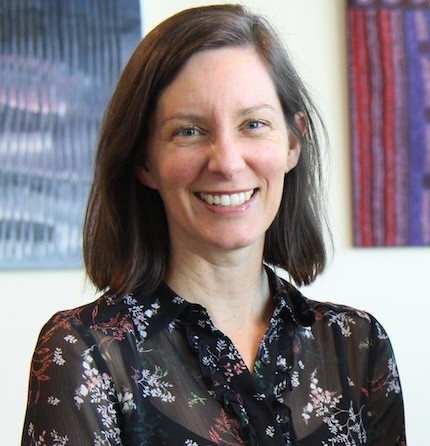
Image: Dr Ann Frazier
Associate Professor Harvey said she would create an accessible pain education tool for children with cerebral palsy.
“About 77 per cent of children and adolescents with cerebral palsy experience pain, but there are few effective treatment options available,” she said.
“We will work with children and young people who have cerebral palsy to develop an intervention that better manages chronic pain, regardless of a young person’s mobility, communication and cognitive abilities.”
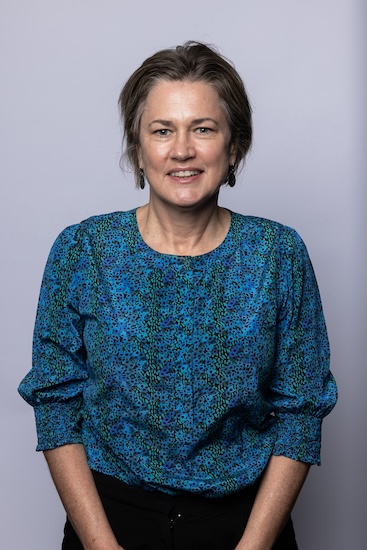
Image: Associate Professor Adrienne Harvey
Associate Professor Licciardi will examine the long-term immunity of mRNA-based COVID-19 boosters.
“While mRNA-based booster shots for COVID-19 are recommended in Australia, we don’t have a strong understanding of their impact on immune responses, especially at the cellular level, over the long-term,” he said.
“This support enables us to leverage our ongoing clinical trial to compare protein and mRNA-based vaccines over an extended timeframe, potentially impacting global recommendations around COVID-19 boosters.”

Image: Associate Professor Paul Licciardi
Associate Professor Mills and his team will test new treatments for the rare, degenerative muscle wasting disorder facioscapulohumeral muscular dystrophy (FSHD).
“We know the DUX4 protein drives skeletal muscle degeneration in FSHD,” he said.
“Our study will test 80 promising drugs in muscle tissue, grown in the lab from patient stem cells that express DUX4. This will get us one step closer to finding new treatments and improve the quality of life for patients.”

Image: Associate Professor Richard Mills
Dr Tollit will harness clinical, lived experience and design expertise to uncover the safest and most effective ways to undertake chest binding, a common practice among young Australians assigned female at birth (AFAB) with gender dysphoria.
Her team will also follow a group of gender-diverse adolescents to examine how binding influences mental and physical health as well as gender dysphoria and gender euphoria.
“This world-first study will have positive impacts for the trans community in Australia and globally by directly informing clinical guidelines and public health resources that support young people make informed decisions when binding,” she said.
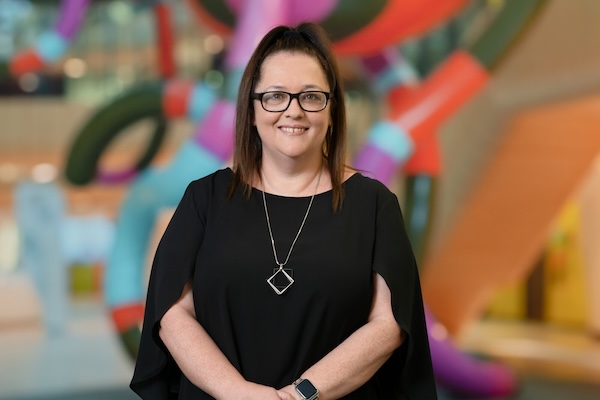
Image: Dr Michelle Tollit
Read more about MCRI’s research across Reproductive Development, Blood Development, Brain and Mitochondrial, Neurodisability and Rehabilitation, New Vaccines, Muscle Bioengineering and Transgender Health.