
STEVIA project: Confirmation of hospitalised typhoid cases in Indonesia
- Project status: Active
Research areas > Infection, Immunity and Global Health > Enteric Diseases

Generating better evidence on the prevalence of hospitalised typhoid fever in Indonesia
Typhoid fever remains an important cause of illness for children and adolescents in many parts of Asia, including Indonesia.
However, it is difficult to measure how common severe typhoid is because some diagnostic tests can miss infections or produce uncertain results, which can make it difficult to confirm whether a patient’s illness is caused by Salmonella Typhi, the bacteria that causes typhoid fever.
Our project aims to generate stronger evidence on the prevalence of typhoid fever among patients admitted to hospital in Indonesia.
Typhoid fever remains an important cause of illness for children and adolescents in many parts of Asia, including Indonesia.
However, it is difficult to measure how common severe typhoid is because some diagnostic tests can miss infections or produce...
Typhoid fever remains an important cause of illness for children and adolescents in many parts of Asia, including Indonesia.
However, it is difficult to measure how common severe typhoid is because some diagnostic tests can miss infections or produce uncertain results, which can make it difficult to confirm whether a patient’s illness is caused by Salmonella Typhi, the bacteria that causes typhoid fever.
Our project aims to generate stronger evidence on the prevalence of typhoid fever among patients admitted to hospital in Indonesia.
About the project
The STEVIA project aims to generate stronger evidence on the prevalence of typhoid fever among patients admitted to hospital in Indonesia. Conducted in selected hospitals in 2026, the study will assess laboratory methods used to confirm typhoid infection in hospitalised patients.
By improving the accuracy of confirmed case detection, the project will provide clearer insights into how common severe typhoid disease truly is in Indonesia.
Understanding the burden of typhoid among hospitalised patients is essential for planning effective prevention strategies, including vaccination programs and other public health measures.
Research team and collaborations
STEVIA is a collaborative research project led by the Murdoch Children’s Research Institute (MCRI) in partnership with Universitas Gadjah Mada in Indonesia.
The study brings together clinical researchers, laboratory scientists and public health experts across Indonesia and Australia to strengthen evidence on typhoid fever.
The MCRI lead investigator is Professor Julie Bines from the Enteric Diseases group.
The study is supported by the Australian Government through the Partnerships for a Healthy Region initiative.
Contact us
For more information on the project, please contact us.
Professor Julie Bines, Group Leader, Enteric Disease group
Email:
show email address
Emma Watts, Research Program Manager
Email:
show email address
Get the latest from MCRI
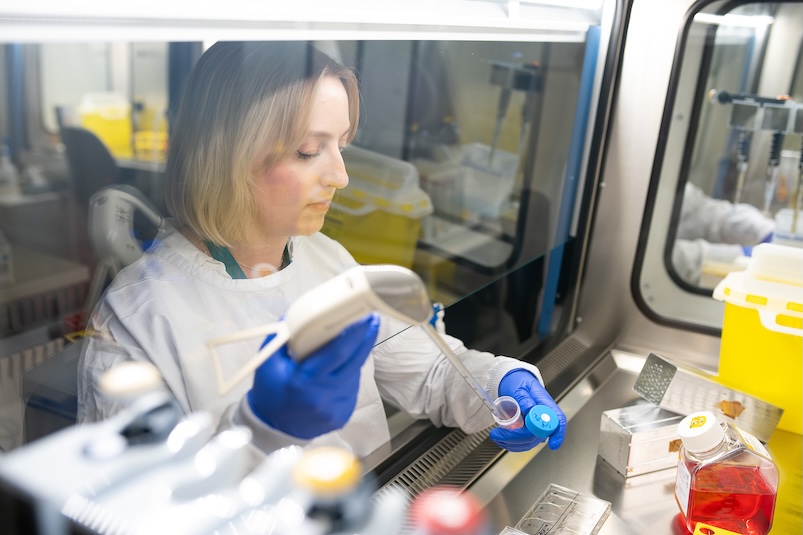
Exploring the future of child health through art and science

Australia’s first guidelines to target high blood pressure in children
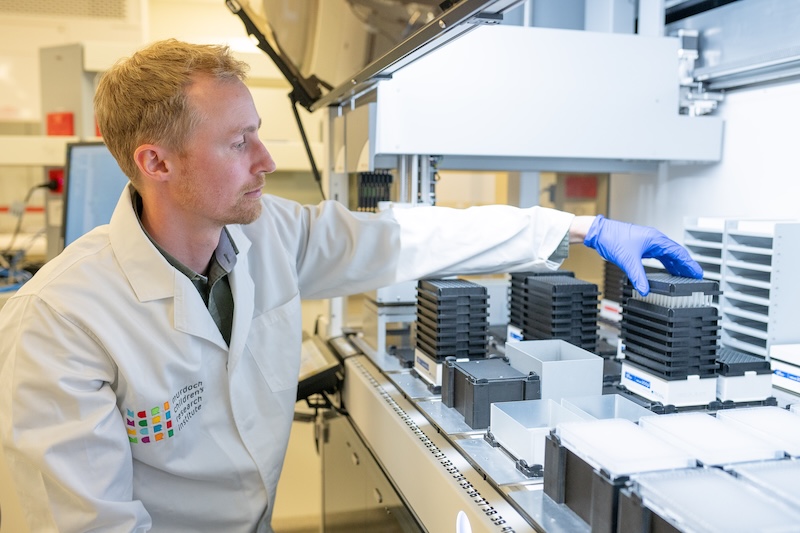
MCRI receives stem cell medicine grant to advance drug discovery

Introducing our 2025 Annual Report
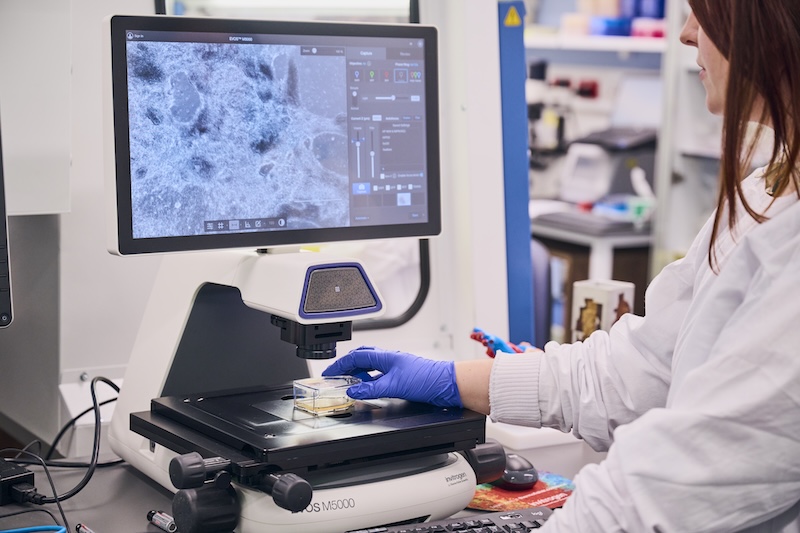
Children at centre of stem cell research decisions with MRFF grant

Vale Patricia Ilhan

Genomic tool highly effective at detecting rare disease diagnoses

Social media use linked to poorer mental health in early adolescence
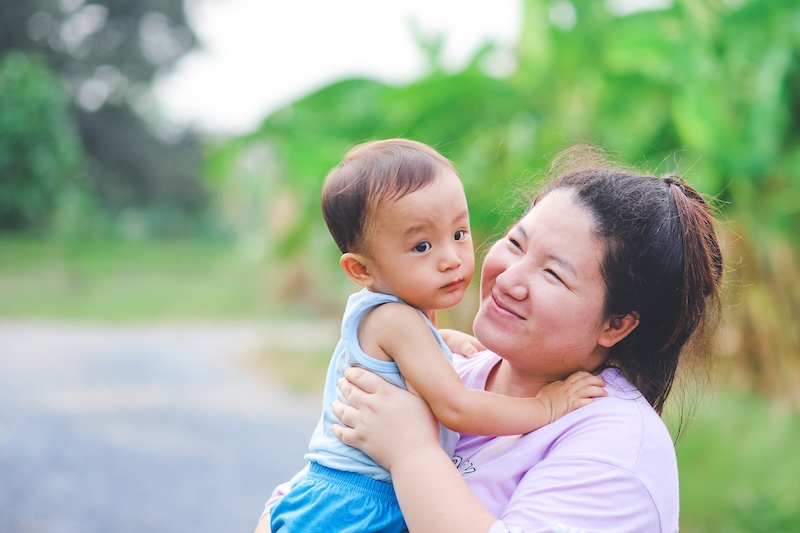
Safety concerns biggest barrier to vaccination

Accelerating recovery for children with concussion
Early lung damage mapped in children with cystic fibrosis

New network to make access to cutting-edge trials easier

Share //