Brain and Mind research
Improving the lives of children with brain injury.
We aim to improve the lives of children with brain injury by contributing to the development of knowledge in the field at the level of theory, practice, and implementation.
Our research goals
- Understanding impacts: Better understand the cognitive, behavioural, educational, emotional, and social impacts of childhood brain disorders and their interactions.
- Exploring mechanisms: Investigate mechanisms for long-term difficulties following brain injury using a bio-psycho-social framework.
- Child development: Gain insights into normal child development.
- Assessment and treatment: Develop novel, evidence-based assessment and treatment techniques to enhance clinical practice and improve diagnosis accuracy in children with brain disorders.
- Interventions: Develop and evaluate psychological and pharmacological interventions to treat children with brain disorders and support their families.
- Training: Support high-quality doctoral and post-doctoral training within a scientist-practitioner model.
Our programs
Explore our progams below to find more information on specific projects and researchers.
Contact us
Mary Iliadis
Personal Assistant to Professor Vicki Anderson
Email:
show email address
Theme Director

Group Leaders

Team Leaders
Group Members

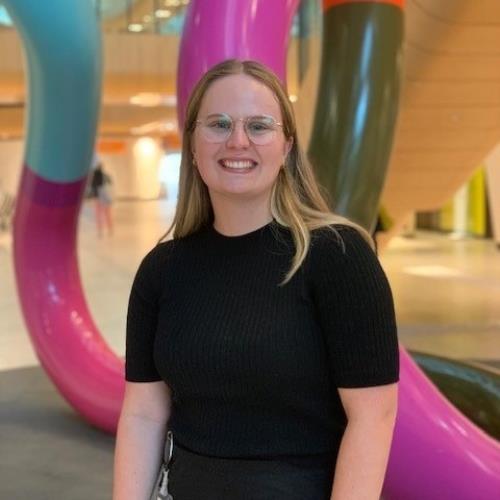



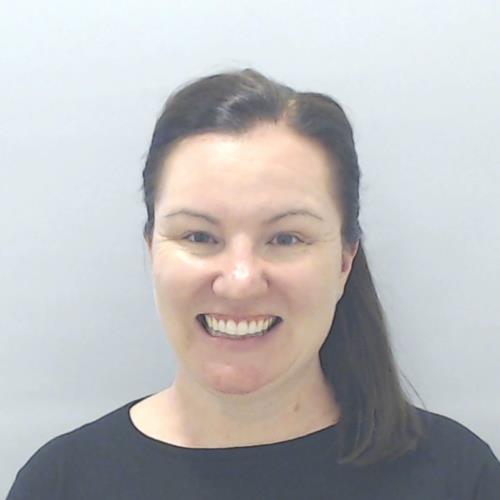


















Our projects
Please see our overarching project below. To find projects specific to our programs, please see the 'About us' section.

Co-designing Anorexia Treatment and Support (CoAST) project
CoAST is a co-designed research project aimed at improving the outcomes and experiences for children and adolescents with Anorexia Nervosa (AN) or Atypical Anorexia Nervosa (AAN) and their carers.
The project focuses on Family-based treatment (FBT), the main recommended treatment for AN/AAN in young people. While FBT works well for many families, it does not work for everyone. When treatment is not effective, the illness can continue into adulthood.
Read more...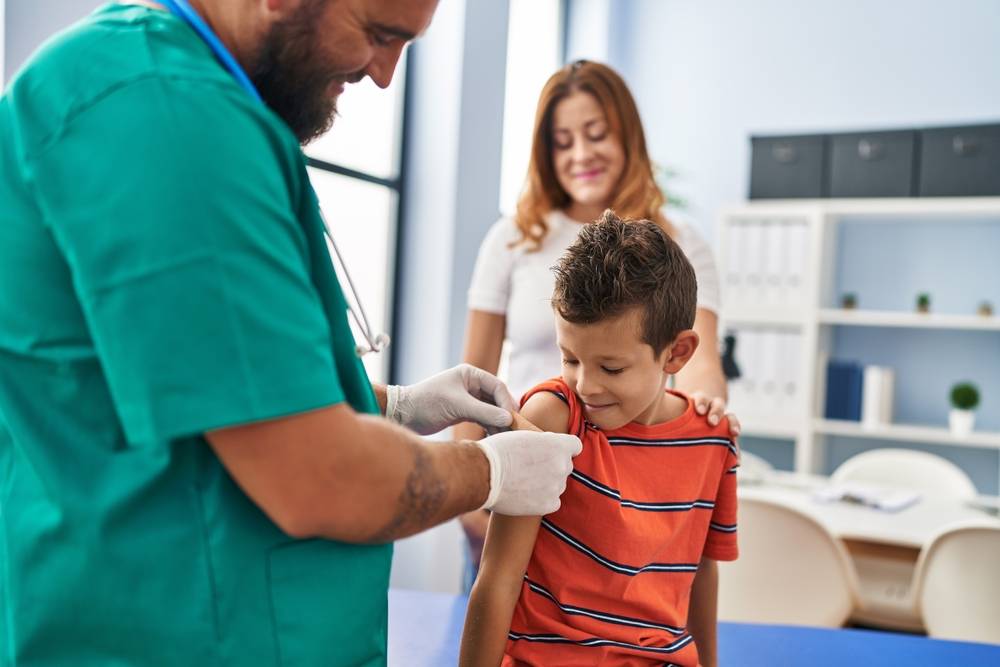
Comfort Promise Study
We are implementing a hospital-wide strategy to prevent and treat needle pain to reduce trauma and improve care for children.
Up to 75 per cent of hospitalised children experience pain with needles. Pain with needles is the most common and a major source of children’s distress and fear.
Read more...Funding
Thank you to our supporters.
- Medical Research Future Fund
- National Health and Medical Research Council
- National Stroke Foundation
- Australian Research Council
- Brain Foundation
- Pratt Foundation
- Australian Rotary Health
- Multiple Sclerosis Research Australia
- Australian Foundation for Children
- Victorian Neurotrauma Initiative
- Marian & EH Flack Trust
- L.E.W. Carty Fund
- Brockhoff Foundation
- Pfizer
- Windemere Foundation
- APEX Foundation
- My Room Children’s Cancer Charity
Collaborations
We partner with leading institutions worldwide, including:
- Royal Hospital for Sick Children Glasgow Scotland
- Gaslini Children's Hospital Genoa Italy
- Montreal Children's Hospital, Montreal, Quebec
- University Medical Centre Utrecht, Utrecht, The Netherlands
- University Hospital of Geneva
- Children’s Hospital at Westmead
Featured publications
A data-driven approach to identify trajectories of prenatal alcohol consumption in an Australian population-based cohort of pregnant women. PubMed 2022. Muggli E, Hearps S, Halliday J, Elliott EJ, Penington A, Thompson DK, Spittle A, Forster DA, Lewis S, Anderson PJ. doi: 10.1038/s41598-022-08190-4
Experiences of Pain in Hospitalized Children During Hematopoietic Stem Cell Transplantation Therapy. PubMed 2021. Plummer K, McCarthy M, McKenzie I, Newall F, Manias E. doi: 10.1177/10497323211034161
Generating Evidence of Critical Care Nurses' Perceptions, Knowledge, Beliefs, and Use of Music Therapy, Aromatherapy, and Guided Imagery. PubMed 2021. Heiderscheit A, Vernisie S, Magee WL, Shoemark H. doi: 10.1097/DCC.0000000000000452
One-Stage, Limited-Resection, Epilepsy Surgery for Bottom-of-Sulcus Dysplasia. PubMed 2021. Macdonald-Laurs E, Maixner WJ, Bailey CA, Barton SM, Mandelstam SA, Yuan-Mou Yang J, Warren AEL, Kean MJ, Francis P, MacGregor D, D'Arcy C, Wrennall JA, Davidson A, Pope K, Leventer RJ, Freeman JL, Wray A, Jackson GD, Harvey AS. doi: 10.1212/WNL.0000000000012147
The Effect of a Voice-Centered Psycho-Educational Program on Maternal Self-Efficacy: A Feasibility Study. PubMed 2021. Shoemark H, Dahlstrøm M, Bedford O, Stewart L. doi: 10.3390/ijerph18052537
Deep phenotyping of socio-emotional skills in children with typical development, neurodevelopmental disorders, and mental health conditions: Evidence from the PEERS. PLoS ONE 2023. Anderson V, Darling S, Hearps S, Darby D, Dooley J, McDonald S, et al. doi: 10.1371/journal.pone.0291929