Supporter stories
Thank you event shines light on power of visionary philanthropy
- Details
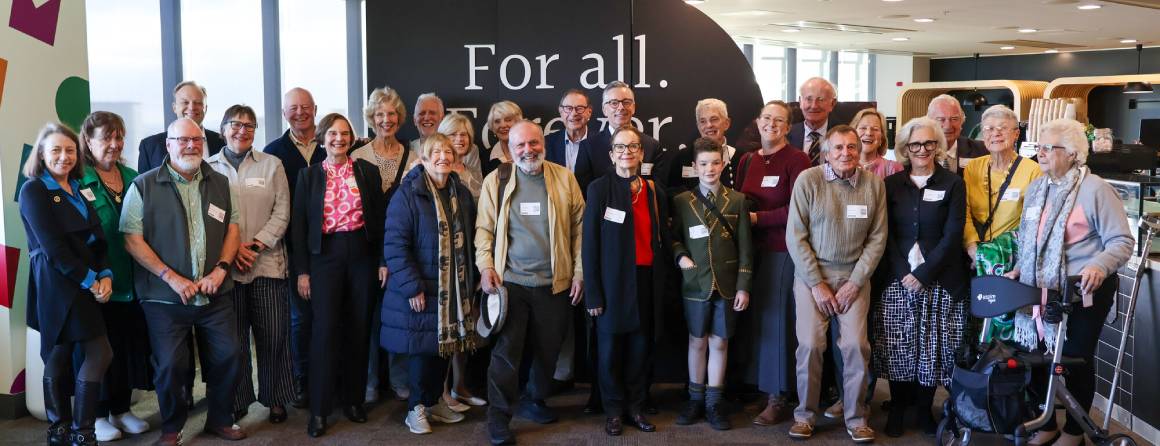
Murdoch Children’s Research Institute (MCRI) brought together more than 50 supporters and researchers to celebrate the breakthroughs in child health research achieved together at a Thank You Event on 28 May.
As part of MCRI’s 40th Anniversary celebrations, guests heard directly from the experts making life-changing discoveries in the areas of research that matter most to them.
A panel discussion, including MCRI Infection, Immunity and Global Health Theme Director Professor Andrew Steer; Centre for Adolescent Health Director Professor Susan Sawyer AM and Lung Disease Lab Group Leader Dr Rhiannon Werder highlighted the Institute’s impact on children worldwide and future hopes for what is possible in partnership with visionary philanthropists.
MCRI Director Kathryn North AC welcomed guests, from those who have been supporters for more than 30 years, to first time donors driven by personal connections to specific research areas.
“MCRI started because of a great Australian philanthropist Dame Elisabeth Murdoch AC DBE and the involvement of our MCRI family, the community of people that invest in us, is vital to the impact we generate,” she said.
“It’s what allows us to take chances, invest in bright ideas and the right people to take our research to the very highest level.”
Professor Andrew Steer, who is also Director of the World Scabies Program, said the world was facing a challenging time with climate change, connectedness and social media, and changes in the political landscape significantly impacting children’s health.
“This is where philanthropy is so important,” he said. “Smaller philanthropy is nimble and often community led, you back individuals, and it’s the support of small ideas at the start that gets big ideas off the ground.”
Ken Allardice and Julie Roy have supported MCRI’s achondroplasia research for eight years, following their granddaughter’s diagnosis with the most common form of dwarfism.
Achondroplasia is genetic condition that affects bone growth, resulting in shorter stature.
“We want to do anything we can to help our granddaughter and other children like her,” Julie said. “We know how long research takes, but to see the unwavering passion and expertise that MCRI scientists have to find answers is very rewarding for us.”
MCRI Molecular Therapies Group senior researcher Dr Supriya Raj shared with Ken and Julie the Institute’s progress in global trials that brought Vosoritide – the first therapy for the most common form of Achondroplasia – to market.
“Meeting Ken and Julie, who are so closely connected to this work, is incredibly meaningful,” she said. “Knowing this research is inspired by a granddaughter living with achondroplasia reminds us every day why it matters.”
Joan and Duncan Fell travelled from Tasmania to attend and have supported MCRI through annual gifts since 2012. The couple will also leave behind a bequest to MCRI as a gift to help ensure a healthier future for children.
“We chose to support MCRI because we were touched by Dame Elisabeth’s support of children with birth defects,” Duncan said. “We want to support organisations that are doing research in Australia, to help our children and families.”
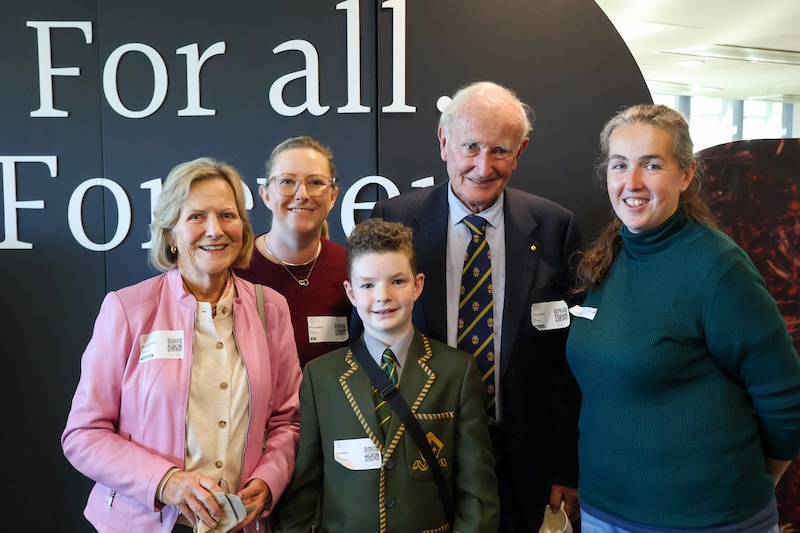
Image: Mandy Collins, Fiona Miller, Leo Miller and John Collins with Dr Jacqui Scheisser
John and Mandy Collins, whose grandson Leo lives with type 1 diabetes, recently supported MCRI to purchase a Biorep Perifusion system, a specialised laboratory instrument used to assess how insulin-producing cells function.
MCRI Immune Development Group researcher Dr Jacqui Schiesser said, “This investment will accelerate our work and bring us closer to better treatments for type 1 diabetes. Knowing it has been funded in honour of Leo makes it even more meaningful.”
Flicker of Hope Founder Anne Petropoulos, Director Mark Nicholls and Chief Operating Officer Juliette Keating met with MCRI Brain and Mind Group Co-lead Associate Professor Jonathan Payne and Senior Research Fellow Dr Kiymet Bozaoglu.
Flicker of Hope have supported MCRI’s Neurofibromatosis (NF) research for eight years.
At four months of age, Anne’s daughter Zoe was diagnosed with the rare genetic disorder affecting one in 2,500 people, which can cause tumours, cancer, epilepsy, disfigurement, blindness and learning difficulties.
“We started the charity in 2018 because there was nowhere to donate to in support of NF research,” Anne said. “We are so proud to have raised over $4 million to help researchers better understand NF and find treatments to improve the quality of life for those impacted by it.”
In the past 12 months, the Foundation has supported a designated NF Research and Clinic Nurse based at The Royal Children’s Hospital and MCRI, and helped progress a grant application for a National Health and Medical Research Council (NHMRC) NF-1 Centre of Research Excellence (CRE).
As MCRI celebrates four decades of discovery and looks to the future of child health research, the 2026 Prospectus highlights the research areas in greatest need of support.
Watch our event highlights on Instagram
2026 MCRI Thank You Event photos
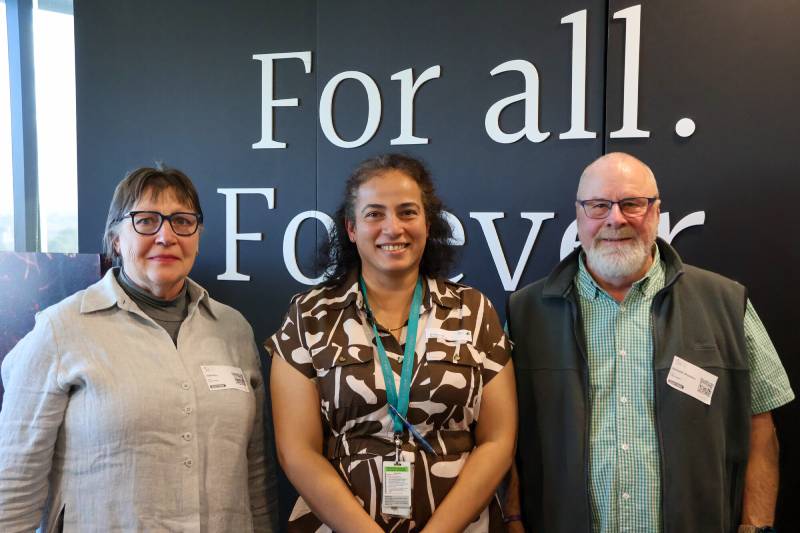
Julie Roy, MCRI Molecular Therapies Group senior researcher Dr Supriya Raj and Ken Allardice.
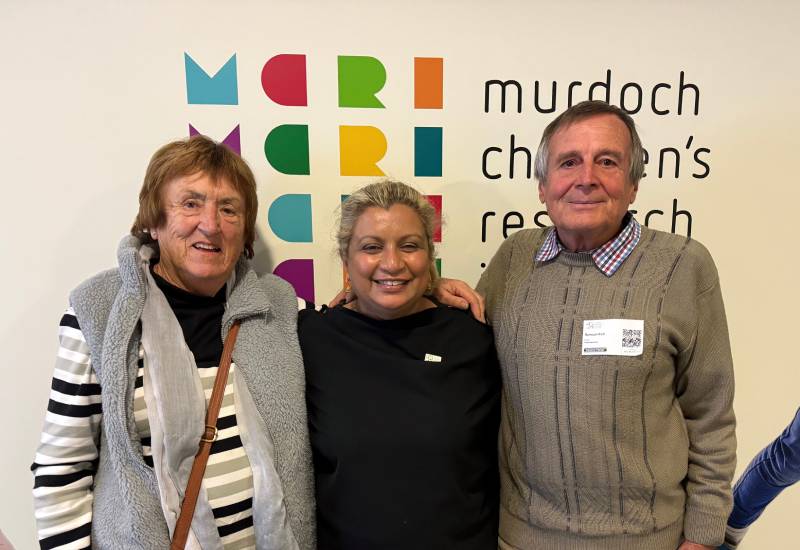
Joan and Ducan Fell with MCRI Relationship and Bequest Manager Nelita De Vos (centre).
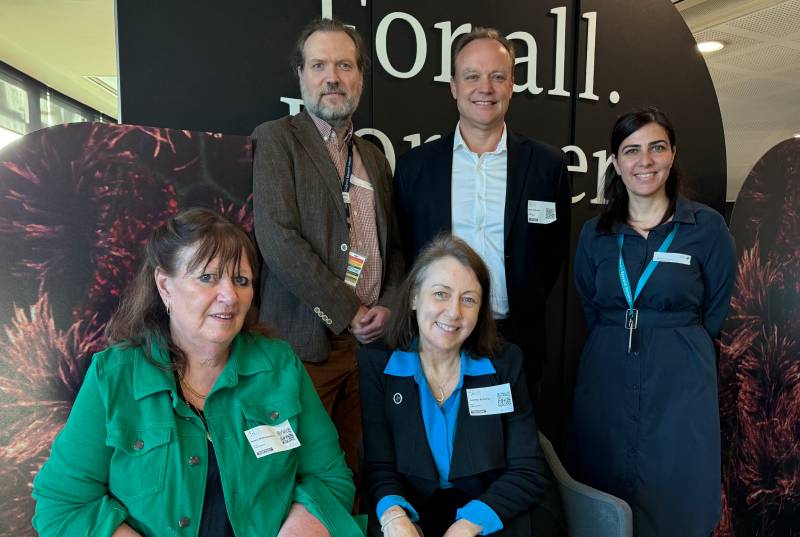
Flicker of Hope Founder Anne Petropoulos, MCRI Associate Professor Jonathan Payne, Foundation Chief Operating Officer Juliette Keating, Director Mark Nicholls and MCRI Dr Kiymet Bozaoglu.
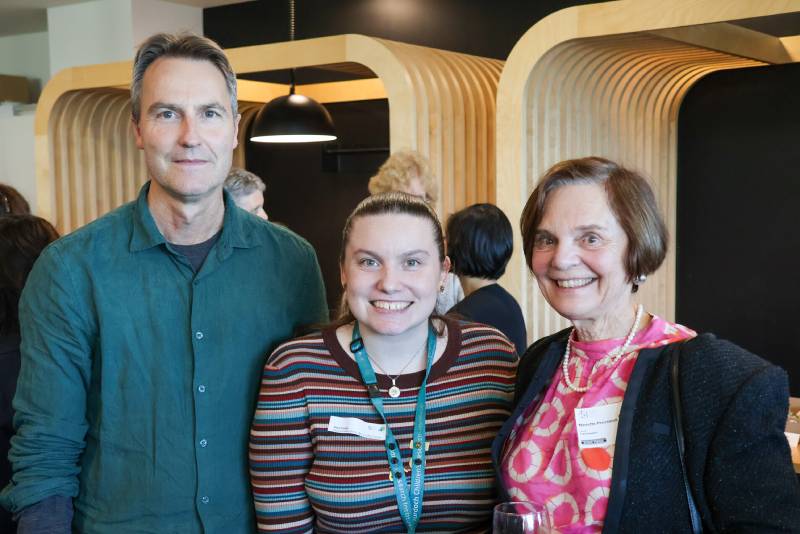
MCRI Neurogenetic Group Leader Professor Paul Lockhart, researcher Kayli Davis and Nanette Presswell.
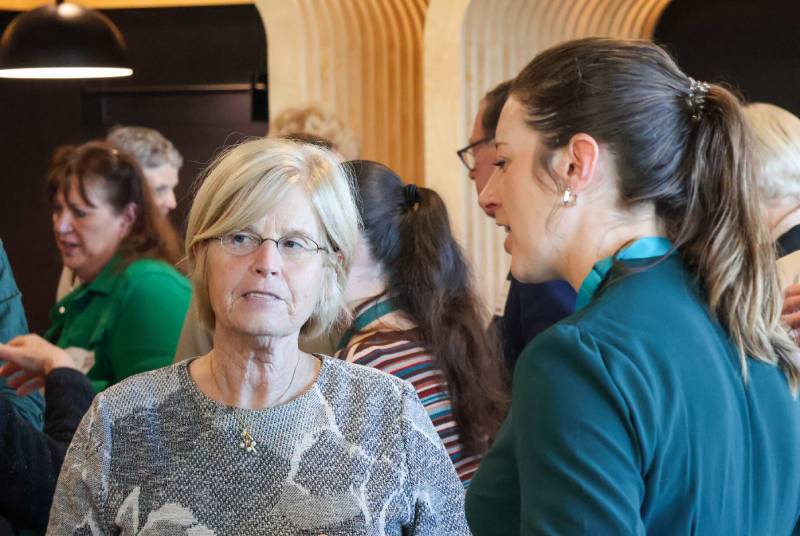
Natalie Gray and MCRI Philanthropy Manager Katie Gill.
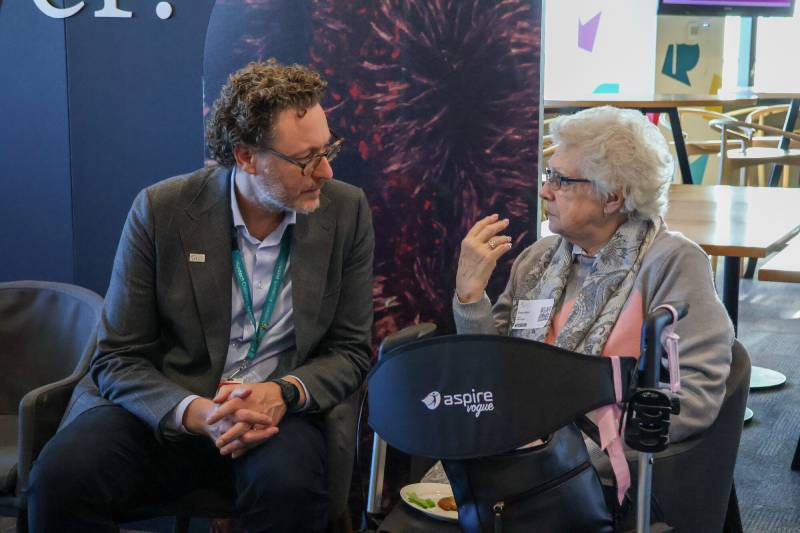
MCRI head of Individual Philanthropy and Supporter Relations Cale Wilkinson with Gwen Bliss.
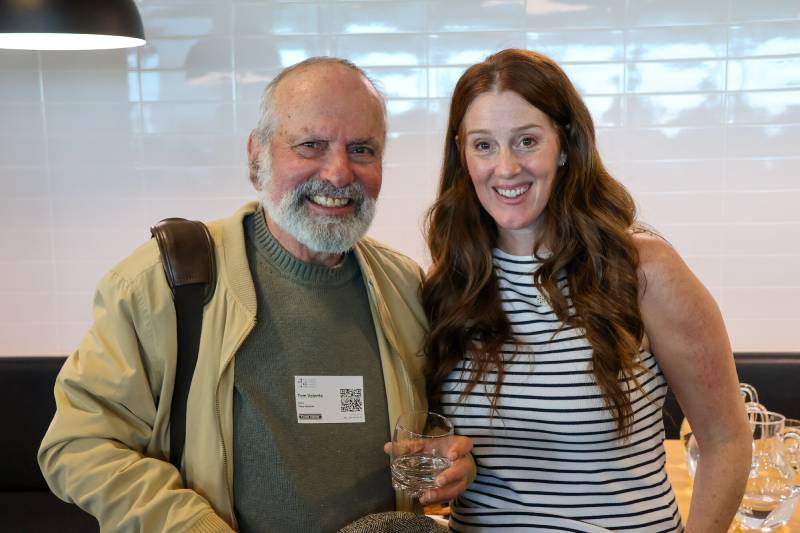
Tom Valenta with MCRI Philanthropy Manager Tracy Houston.

MCRI Infection, Immunity and Global Health Theme Director Professor Andrew Steer with parents Bev and Howard Steer.
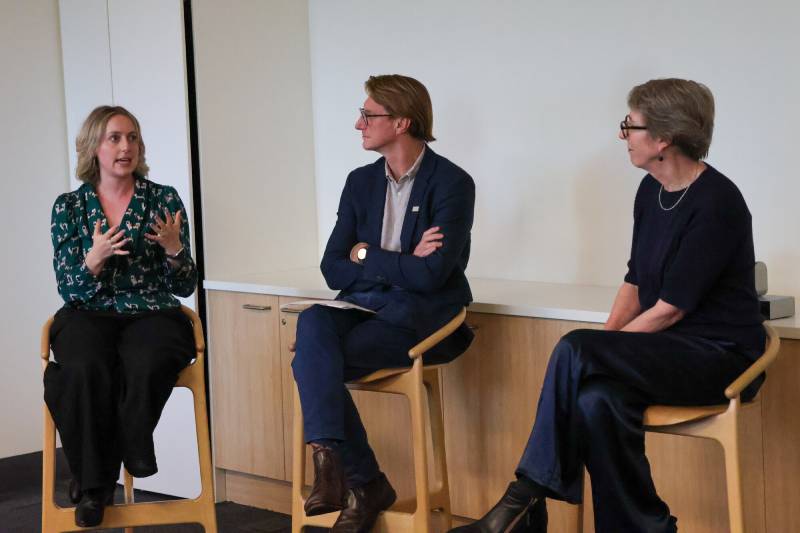
Panellists MCRI Lung Disease Lab Group Leader Dr Rhiannon Werder; Infection, Immunity and Global Health Theme Director Professor Andrew Steer and Centre for Adolescent Health Director Professor Susan Sawyer AM.
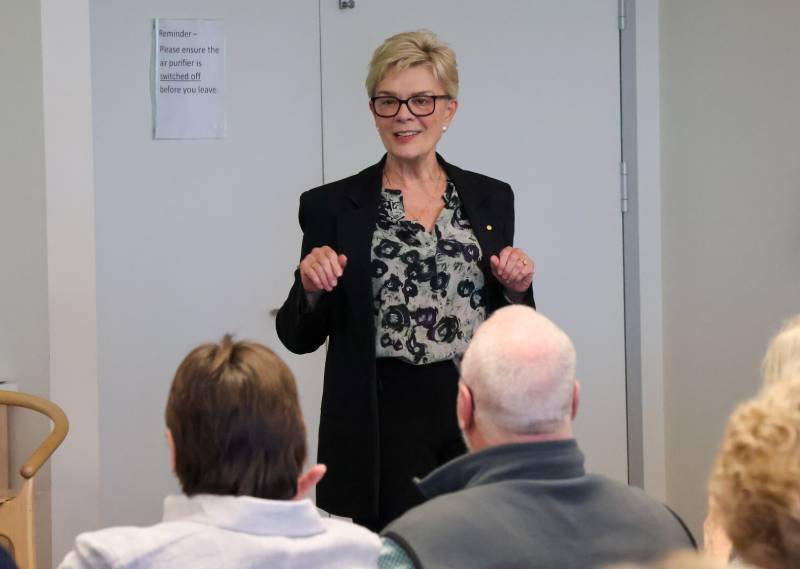
MCRI Director Professor Kathryn North AC.
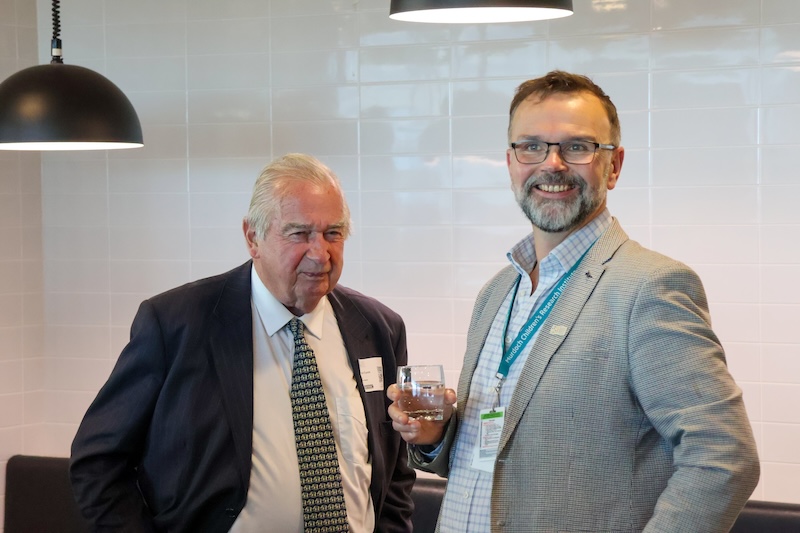
Peter Camm and MCRI Fundraising Manager Chris Walters