3D printing for disabilities
- Project status: Active
Research area: Clinical Sciences > Orthopaedics
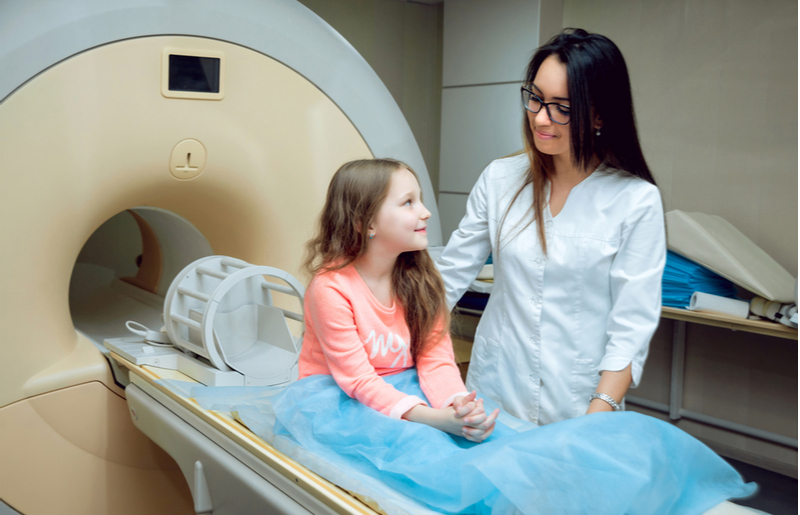
Developing and evaluating 3D-printed ankle-foot orthoses with novel features not currently available for children with cerebral palsy, with the goal of improving their mobility, function and comfort.
By reimagining orthotic care, we aim to transform the lives of children with CP, giving them greater freedom to move, play, and thrive.
By reimagining orthotic care, we aim to transform the lives of children with CP, giving them greater freedom to move, play, and thrive.
By reimagining orthotic care, we aim to transform the lives of children with CP, giving them greater freedom to move, play, and thrive.
Tackling the challenge of cerebral palsy (CP) mobility
Cerebral palsy (CP) affects over 17 million people globally, impacting 1 in every 700 births in Australia. For children living with CP, mobility challenges are a daily reality, often addressed through the use of ankle-foot orthoses (AFOs).
But current AFO solutions come with significant barriers. In Australia, the cost of fitting and manufacturing AFOs can exceed $2,500, placing a heavy financial burden on families, especially those in regional and remote communities.
Beyond cost, conventional AFOs offer limited adjustability and design flexibility, which can compromise comfort, function, and long-term outcomes.
Our vision
We’re working to develop next-generation, personalised AFO technologies that are:
- More affordable and accessible to families across Australia and beyond
- Customisable to meet the unique needs of each child
- Designed to enhance comfort, mobility, and independence
Smarter, personalised orthotic technology
This project aims to develop 3D-printed ankle-foot orthoses (AFOs) with cutting edge features that are not available in conventional AFO design for children with CP.
Our research focuses on three key areas
- Replicating conventional functionality
We’re developing and evaluating 3D-printed AFOs that match the performance of traditional devices, ensuring safety, reliability, and clinical effectiveness. - Personalised gait support
We’re designing innovative AFOs with variable material stiffness, allowing for customised control during different phases of walking. This means better comfort, improved mobility, and more natural movement for each child. - Smart motion tracking
We’re integrating motion sensors into AFOs to monitor how children move in real-world settings. These insights will help clinicians fine-tune treatment and track progress over time.
By combining advanced materials, digital design, and sensor technology, we aim to create AFOs that are more affordable, more adaptable, and more empowering for children and families.
Meet the research team
This project brings together a multidisciplinary team of experts committed to transforming orthotic care for children with cerebral palsy.
Our team includes:
- Paediatric orthopaedic surgeons with deep expertise in clinical gait analysis and CP management
- Engineers skilled in 3D scanning, CAD modelling, and advanced 3D printing technologies
- Orthotists and biomechanics specialists focused on functional design and real-world performance
Together, we’re combining clinical insight with engineering innovation to develop next-generation AFOs that offer improved mobility, comfort, and independence.
Research leads

Associate Professor Erich Rutz
Co-Group Leader / Honorary Fellow, Orthopaedics Research
Contact us
For more information on this project, please contact us:
Associate Professor Erich Rutz
Phone: +61 3 9345 5444
Email:
show email address

COVID-19 booster strategies provide lasting immunity
Exploring the future of child health through art and science
iHSC Differentiation Facility
Read more
Australia’s first guidelines to target high blood pressure in children
MCRI receives stem cell medicine grant to advance drug discovery
Muscle regeneration for Duchenne: restoring strength

Introducing our 2025 Annual Report

Dr Courtney Munro recognised with Laurie Cox Award

Prof Daniel MacArthur receives MRFF grant for rare disease research
Children at centre of stem cell research decisions with MRFF grant
Stem cells and type 1 diabetes research

MRFF grant to transform preventive child health through GenV

Share //