
LongSTEPPP Project
- Project status: Active
Research area: Population Health > Adolescent Health
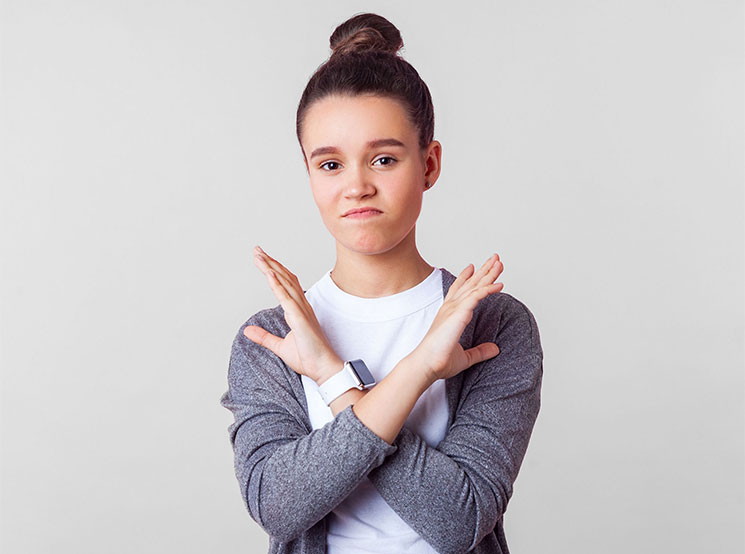
We believe that periods shouldn't ruin your life.
The Longitudinal Study of Teenagers with Endometriosis, Period and Pelvic Pain (LongSTEPPP) is a 5-year Australian study running from 2022 to 2027.
We believe that period and pelvic pain can be managed to prevent chronic pain and endometriosis.
LongSTEPPP is no longer recruiting.
The Longitudinal Study of Teenagers with Endometriosis, Period and Pelvic Pain (LongSTEPPP) is a 5-year Australian study running from 2022 to 2027.
We believe that period and pelvic pain can be managed to prevent chronic pain and endometriosis.
...The Longitudinal Study of Teenagers with Endometriosis, Period and Pelvic Pain (LongSTEPPP) is a 5-year Australian study running from 2022 to 2027.
We believe that period and pelvic pain can be managed to prevent chronic pain and endometriosis.
LongSTEPPP is no longer recruiting.
Led by researchers at MCRI, the LongSTEPPP project combines responses from participants' questionnaires with information collected by other services to find out how we can best care for young people experiencing period pain, pelvic pain, or who may have endometriosis.
Most young people who have periods will experience some pain. For some people, this is manageable and will not change normal day-to-day activities. For others, the pain they experience will stop them from doing everyday activities and may impact their quality of life and mental health.

Contact us
LongSTEPPP Project
Murdoch Children's Research Institute
The Royal Children's Hospital
50 Flemington Road
Parkville VIC 3052
Australia
Phone:
show phone number
Email:
show email address
Information for participants
Recruitment for LongSTEPPP has now ended.
As a part of the study, you will be asked to complete the LongSTEPPP questionnaires once a year for five years. It takes between 30 and 50 minutes to answer all the questions. The questionnaire is online and can be done at your own pace.
In the questionnaire, you and your parent/guardian will be asked questions about periods, pain, quality of life and mental health. Your parent/guardian won't see your answers and you won't see theirs.
Your experience could help us work out the best way to care for young people with period pain, pelvic pain, or endometriosis.
Watch the LongSTEPPP video below to find out more.
Who can take part?
You are eligible to join our study if:
- You are aged 10 to 18 years
- You experience pelvic or period pain and have seen your GP about it or have been referred to a gynaecologist (women's health doctor)
- You live in Australia
- Both you and one of your parents/guardians are willing to take part
Who cannot take part?
You cannot take part in this study if:
- You’re unable to read and understand English
- You can’t complete the questionnaires online
- Your parent/guardian doesn’t want to be involved
What will I do?
The young person enrolling in LongSTEPPP will be asked to:
- Complete a questionnaire in the first year of the study (approximately 45-50 minutes)
- Complete a shorter questionnaire yearly for up to five years or until the end of 2027 (approximately 30-35 minutes)
The parent/guardian of the young person will be asked to:
- Complete one questionnaire yearly (approximately 20-30 minutes)
Optionally, young people and their female parent/guardian enrolling at some sites (Melbourne, Sydney, Brisbane) can take part in pressure testing that provides an indication of pain thresholds. This will be discussed at your initial appointment.
Information for GPs and gynaecologists
The Longitudinal Study of Teens with Endometriosis, Period and Pelvic Pain (LongSTEPPP) is a national research project that is recruiting young people with dysmenorrhea (menstrual cramps), pelvic pain and endometriosis for an observational study.
We're interested in the care provided to this cohort and how we might be able to change the course of women's pelvic pain histories through early intervention. We would be delighted to speak to you further about the project and how you can refer patients.
You can help the project by giving patients in this age range a business card which will include a link to the study page where the young person or their parent/guardian can register their interest and enrol.
LongSTEPPP advertising packs
We also have A3 and A4 posters available for clinics. If you would like a poster or business cards, please let us know via email and we will arrange these to be posted to you. We're working on developing some additional resources so please let us know if you have any suggestions.
Download the posters
 LongSTEPPP Clinical Poster (A4)181.54 KB
LongSTEPPP Clinical Poster (A3)199.48 KB
Who can take part?
Young people are eligible to join our study if they:
- Are aged 10 to 18 years
- Experience pelvic or period pain and have seen your GP about it or have been referred to a gynaecologist
- Live in Australia
- And one of their parents/guardians are willing to take part
Who cannot take part?
Young people cannot take part in this study if:
- They're unable to read and understand English
- They can’t complete the questionnaires online
- Their parent/guardian doesn’t want to be involved
What is required?
The young person enrolling in LongSTEPPP will be asked to:
- Complete a questionnaire in the first year of the study (approximately 45-50 minutes)
- Complete a shorter questionnaire yearly for up to five years or until the end of 2027 (approximately 30-35 minutes)
The parent/guardian of the young person will be asked to:
- Complete one questionnaire yearly (approximately 20-30 minutes)
Optionally, young people and their female parent/guardian enrolling at some sites (Melbourne, Sydney, Brisbane) can take part in pressure testing that provides an indication of pain thresholds. This will be discussed at their initial appointment.
Research teams at our LongSteppp sites
Murdoch Children's Research Institute (MCRI)
- Professor Sonia Grover
- Professor Harriet Hiscock
- Dr Courtney Munro
- Ms Michelle Hartwell
- Ms Kat Bogatyreva
The Royal Children’s Hospital Melbourne, VIC
- Professor Sonia Grover
- Dr Amira Dkeidek
- Dr Charlotte Elder
Mater Research, QLD
- Dr Amy Mellor
Monash Children’s Hospital, VIC
- Dr Kiri Chan
- Dr Philippa Lewis
Royal Hospital for Women Sydney, NSW
Sydney Children’s Hospital, NSW
- Dr Rebecca Deans
- Ms Amie Loveland
The Children’s Hospital at Westmead, NSW
- Dr Jinny Foo
- Dr Divya Gurram
Women’s and Children’s Hospital Adelaide, SA
- A/Prof Louise Hull
- Dr Jodie Avery
John Hunter Hospital, Newcastle, NSW
- Dr Angela Dunford
The Canberra Hospital
- Dr Steve Adair
- Ms Melissa Parker
Royal Hobart Hospital
- Dr Michelle Williams
- Dr Sue Keating
Funders
The work of this team is supported by a grant from the Medical Research Future Fund (MRFF).
Collaborators
Services working with LongSTEPPP
- Deakin University – Professor Catherine Bennett and Dr Julie Abimanyi-Ochom
- Orygen – Professor Andrew Chanen
Publications
Munro CB, Walker EN, Schembri R, Moussaoui D, Grover SR. Periods Shouldn't Bring Any Adolescents' World to a Full Stop. Period. An Online Survey of Adolescents' Experience of Menstruation. J Pediatr Adolesc Gynecol. 2024 Feb;37(1):18-24. doi: 10.1016/j.jpag.2023.09.004. Epub 2023 Sep 16. PMID: 37722525.
Munro CB, Flanagan M, Moussaoui D, Kite L, Grover SR. Missing and dismissing the impact of periods. Outcomes of focus groups of teens with period concerns. Womens Health (Lond). 2024 Jan-Dec;20:17455057241303003. doi: 10.1177/17455057241303003. PMID: 39660742; PMCID: PMC11635950.
Newsroom

Oral treatment for dwarfism on cusp of replacing injections

Last-line antibiotics at risk as children’s resistance rises

COVID-19 booster strategies provide lasting immunity
Exploring the future of child health through art and science

Australia’s first guidelines to target high blood pressure in children
MCRI receives stem cell medicine grant to advance drug discovery
Introducing our 2025 Annual Report
Children at centre of stem cell research decisions with MRFF grant

Vale Patricia Ilhan

Genomic tool highly effective at detecting rare disease diagnoses

Share //