Traumatic Brain Injury Research
- Project status: Active
Research area: Clinical Sciences > Brain and Mind > Concussion Research
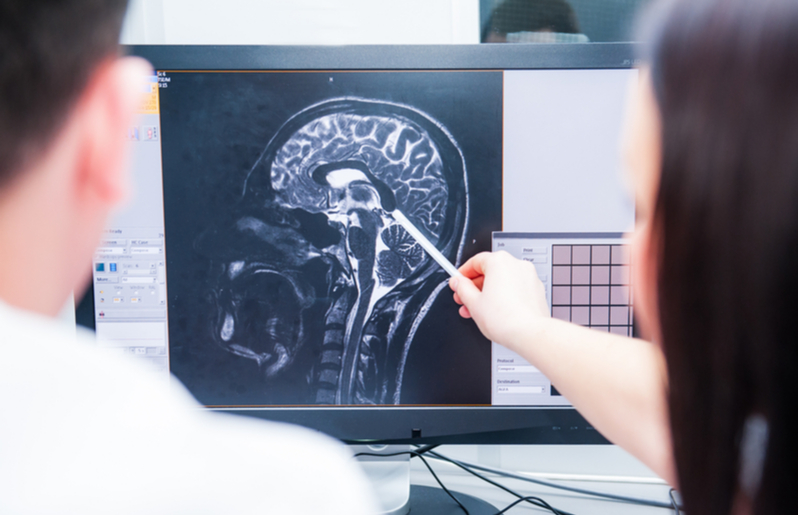
There are many different causes of brain injury including traffic accidents, sports accidents or lack of oxygen to the brain.
This page has been established to help you find out about Acquired Brain Injury (ABI) research that is currently happening on the Melbourne Children's Campus.
This page has been established to help you find out about Acquired Brain Injury (ABI) research that is currently happening on the Melbourne Children's Campus.
Current studies on acquired or traumatic brain injuries are investigating areas such as mental health outcomes, the impact of parent and child-based interventions, social function, and long-term consequences of brain injuries.
This page has been established to help you find out about Acquired Brain Injury (ABI) research that is currently happening on the Melbourne Children's Campus. Our group includes clinical researchers, service providers and educators, and aims to share up-to-date knowledge about interventions and outcomes for children and families affected by ABI.
What is a Brain Injury?
There are many causes of brain injury, including traffic accidents, sports accidents or lack of oxygen to the brain. It takes a long time to work out how serious a brain injury is. One way is to measure how long after the injury your child is in 'post-traumatic amnesia', which is the time after the injury they are confused, disorientated and have poor day-to-day memory. Each child's recovery will be different and take different lengths of time. Recovery usually continues for many years after the injury.
Causes of Brain Injury
The most common causes of brain injury in Australia are:
- Traumatic brain injury (TBI) occurs because of falls, motor vehicle accidents, or sporting injuries
- Meningitis/encephalitis (infections around the brain)
- Cerebrovascular accidents (or strokes) which can be caused by arteriovenous malformations or cardiac complications
- Hypoxic-ischaemic events caused by a lack of oxygen to the brain. These can be due to near drowning accidents, prolonged fits or cardiac complications.
Research
These studies are currently being run as part of the Traumatic Brain Injury project. For further information about any of these studies, please contact us.
Rehabilitation of Executive Function in Paediatric Traumatic Brain Injury (TBI)
Traumatic Brain Injury (TBI) is one of the leading causes of death and disability in children and adolescents worldwide. TBI refers to any damage to the brain acquired because of a trauma, such as injuries caused by external forces such as falls, contact sports, and accidents.
TBI can interrupt a child’s development. It can cause significant impairments, such as memory holding information in the mind, and making decisions. Problems in these areas may affect academic skills, setting goals, and completing everyday tasks.
Researchers at the Murdoch Children’s Research Institute (MCRI), The Royal Children’s Hospital (RCH), and the University of Melbourne are conducting a trial to investigate the impact of computer activities and their effectiveness in improving memory and making decisions in children post TBI.
We are looking for children and adolescents aged seven (7) to 15 years old who have experienced a TBI. Participation in this research will involve completing questionnaires and taking part in computer activities by the child. Questionnaires will also be completed by the parents.
Please contact us if you are interested in taking part in this research project.
Mental Health in adolescents following mild traumatic brain injury
Investigating the mental health outcomes in adolescents with mild traumatic brain injury.
Mild traumatic brain injury (mTBI) has typically been considered a relatively benign event, with most evidence indicating that victims experience only a short period of impairment. In children and adolescents, the recovery path is prolonged, with most demonstrating problems for up to 30 days, and 5-10% remaining symptomatic long-term. The cause of these persisting symptoms remains largely unknown.
What is clear is that enduring symptoms (fatigue, poor concentration, irritability) have a significant impact on the young person's capacity to return to normal life. While some adjust to these limitations, a significant number will have difficulty and develop depression, anxiety and post-traumatic stress. These 'internalised' problems may go undetected and untreated, further impacting the young person's quality of life.
This project investigates mental health outcomes in adolescents with mTBI. This data will enhance our understanding of –mental health problems following mTBI and will inform future research into outcomes.
Prevention and treatment of social problems following traumatic brain injury
Investigating the impact of traumatic brain injury on social function in children and adolescents.
A healthy social life and appropriate social skills are critical to normal development and quality of life, right through childhood and later into life. This study employs a prospective, longitudinal design to investigate the impact of traumatic brain injury on social function. The study documents children's social function for two years post-TBI, focusing on 'functional' outcomes, including social skills, adjustment and participation.
The underlying assumption, based on the social neuroscience and developmental psychopathology literature, is that in childhood, TBI, social problems are caused by a combination of neurologic, cognitive, and psychosocial factors. This study examines brain correlates of social function using both structural and functional neuroimaging techniques.
Study 1: Social skills follow up study
Aims to document social function for two years post-TBI and investigate the predictors of social outcomes of brain injury.
Study 2: Intervention studies
Aims to evaluate the impact of both parent and child-based intervention on social problems following TBI.
Study 3: Intervention studies
Aims to explore the brain bases of social function using structural and functional imaging techniques.
A pilot intervention program for use by children with an acquired brain injury (ABI)
Adapting an intervention program for cognitive and social sequelae following an acquired brain injury.
This project aims to interpret an existing intervention program for Australian children and adolescents with an acquired brain injury (ABI). In this study, a course originating from the Netherlands will be translated into English and piloted in a modified format for use by children with a brain injury.
Adaptation of the Signposts program for parents of children with an acquired brain injury
Led by Professor Cathy Catroppa, this project aims to test the efficacy of an intervention program for cognitive and social sequelae in children and adolescents with brain injury. The team has translated this Dutch program into English, making it suitable for young people in Australia.
In the next phase of this program, the team is moving the intervention online, so that more children with brain injuries across Australia can easily access it. Calls for participation will soon be advertised.
Long-term consequences of childhood head injury - 20 year follow-up
This groundbreaking work, led by Professor Cathy Catroppa, is unlocking new insights into the lasting effects of childhood traumatic brain injury, helping us better understand and improve the lives of those affected.
Over the past two decades, our research team has systematically followed the progress of a sample of children who sustained TBI before 12 years of age. Our findings challenge the traditionally held view that children are resilient and recover fully from early brain insult. Rather, we have found that up to 10 years post-TBI, many children experience impairments in physical, cognitive, behavioural and social function which continue to impact their quality of life. The implication is that these problems will lead to lifelong disability, resulting in high levels of individual, family and community burden.
To capture their experiences and outcomes during the transition between adolescence and young adulthood, we conducted a 15-year follow-up that focused on cognitive, mental health, and social outcomes. We discovered a greater risk of mental health concerns in this TBI group, but fewer concerns in the social domain.
To get a better understanding of how these mental health issues affect young adults over time, we conducted a 20-year follow-up study, looking closely at mental health, sleep, and quality of life. Globally, this was one of the first studies to assess such long-term outcomes, providing a unique opportunity to shed light on the impact of childhood TBI on functional outcomes at this critical developmental stage. We discovered sleep and mental health concerns in about 30 – 40 % of these young adults, which was associated with poorer quality of life
This project has an international reputation and is unique in terms of length of follow-up, prospective design, and representative sample.
Managing anxiety in teenagers with an acquired brain injury
Developing a program to help young people overcome anxiety difficulties.
We know that after an acquired brain injury (ABI), some adolescents may experience increased levels of anxiety, especially in social situations. To date, very little research has looked at the ways we can help young people with ABI overcome anxiety difficulties and improve the way they can get along with others at school, at home and in the community.
We have developed a program for managing anxiety for adolescents with ABI, based on an existing program for a wider adolescent audience called "Chilled." Components of the program have been especially adapted for young people who may have cognitive difficulties associated with ABI. This study aims to evaluate this adapted "Chilled" program for managing anxiety in a sample of young people who have had an ABI.
Ultimately, we will endeavour to reduce anxiety and increase levels of participation in the everyday activities of young people following ABI. If effective, the program used in this trial will be developed into a manual, allowing for the applicability of the program in a range of therapeutic settings.
PEERS-Q (Formerly the DASC project)
Developing a tool to measure the social functioning of children with acquired brain injury.
This current project aims to develop a questionnaire to measure the social skills and quality of relationships of children and adolescents between the ages of five and 18 years old. The questionnaire will have three sections, one filled out by each child/adolescent, the carer/parent and the teacher.
This tool will help measure the social functioning of 'typical' children who have had no medical or developmental difficulties. This measure will also be designed to measure the specific social difficulties experienced by children who have suffered an acquired brain injury.
COMPLETED - 'Take a Breath' (TAB) program for parents: A randomised controlled trial
Developing and evaluating a program to promote positive outcomes for parents of children with serious illnesses and injuries.
Parental psychological adaption to their child's serious childhood illness or injury has been identified as a significant predictor of child and family psychosocial adjustment both in the short and longer term. A substantive body of research has established that post-traumatic stress symptoms and other psychological symptoms such as depression and anxiety are experienced by a significant subset of parents who have a child with a serious illness.
This study involved the development of the evaluation of the "Take A Breath" (TAB) intervention program, a program for parents with children who have serious and life-threatening illnesses. This trial aimed to help parents manage the difficult thoughts and emotions that often come with having a very sick child, to improve psychosocial outcomes in these parents and families. The study ran within the Oncology, Cardiology, Intensive Care and Neurology departments.
The first part of our study explored resilience factors that contribute to good parent outcomes and risk factors that are related to poor outcomes.
In addition, we investigated the effectiveness of a screening tool to reliably predict, within the acute phase, which families will have ongoing psychosocial difficulties and require targeted support in the longer term. This screening tool was investigated across four different clinical groups, to determine whether it will generalise across groups, and be relevant and useful in a hospital setting.
The second part of the study will develop and pilot the "Take A Breath" (TAB) intervention program, designed to improve psychosocial outcomes for parents, children and families.
Resources
The following links provide access to information and resources for clinical services, educational materials, and research related to paediatric brain injury.
- Victorian Paediatric Rehabilitation Service
- Kids Health fact sheets - ABI - Royal Children's Hospital
- Fact sheet- Head injury - return to school and sport - Royal Children's Hospital
- Parents/Teachers - Concussion in Sport Australia
- Fact sheet - Head injury – general advice - Royal Children's Hospital
- Safely Returning Children and Youth to Activity after mTBI/Concussion - CanChild (Canada)
Contact us
Traumatic Brain Injury project
Murdoch Children's Research Institute
The Royal Children's Hospital
50 Flemington Road
Parkville VIC 3052
Australia
Email: show email address
Brain injury newsroom
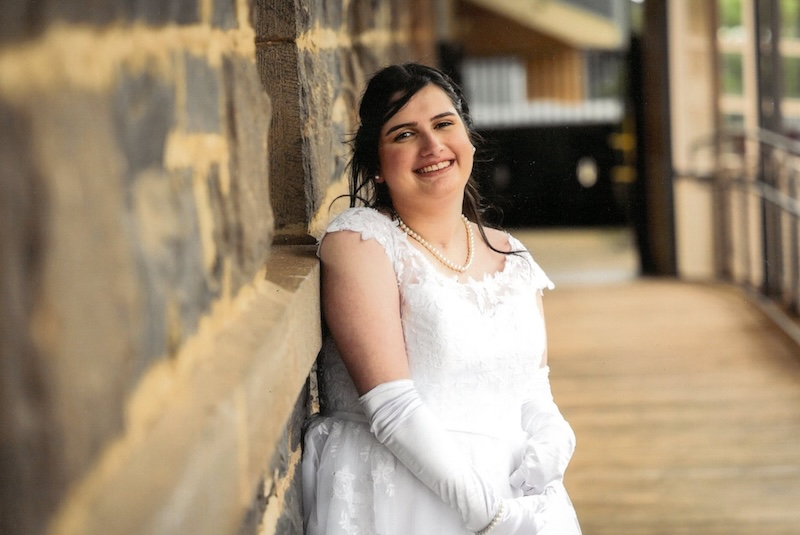
Brain injury survivor helping others

Eight researchers awarded NHMRC Investigator Grants
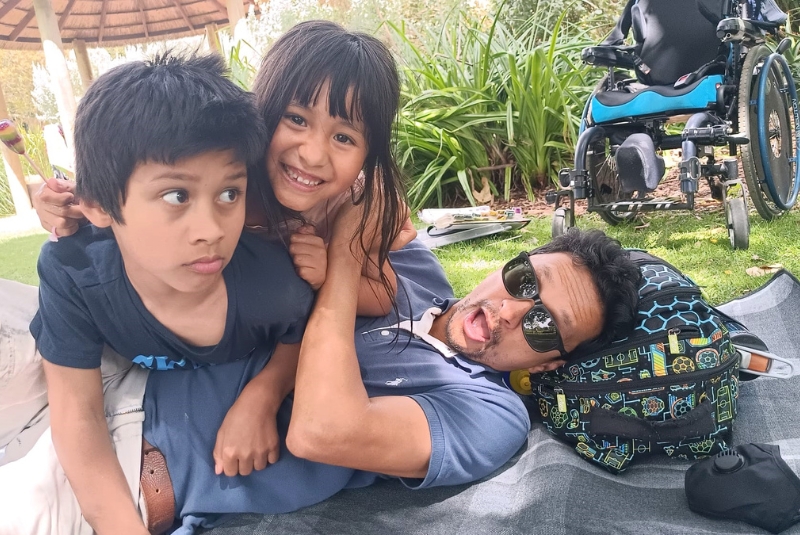
Searching for support

Mental Health following mild Traumatic Brain Injury in Adolescent
Epilepsy & seizures

New childhood brain centre brings fresh hope to families

Researchers study new method of assessing severity of children’s brain injuries
Share //