U-TIC TS study
- Project status: Active
Research area: Clinical Sciences > Developmental Imaging
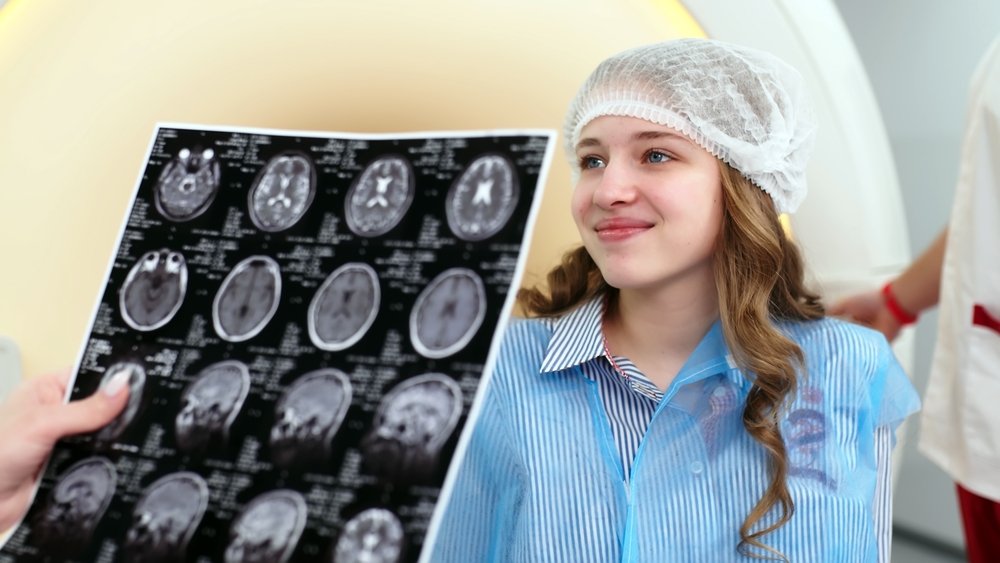
We aim to understand the subjective experience and brain activity underlying the urge to tic in Tourette Syndrome (TS)
People with Tourette syndrome often experience unpleasant sensations before they tic, known as premonitory urges (PU).
PU plays an important role in first-line treatments such as Comprehensive Behavioural Intervention for Tics (CBIT).
People with Tourette syndrome often experience unpleasant sensations before they tic, known as premonitory urges (PU).
PU plays an important role in first-line treatments such as Comprehensive Behavioural Intervention for Tics (CBIT).
People with Tourette syndrome often experience unpleasant sensations before they tic, known as premonitory urges (PU).
PU plays an important role in first-line treatments such as Comprehensive Behavioural Intervention for Tics (CBIT).
About this study
This project will investigate both the lived experience and brain activity associated with PU, and how these change after adolescents complete CBIT. The U-TIC TS Study is a longitudinal project examining tics and PU in adolescents with Tourette syndrome. We will explore how young people experience tics and PU and compare this to brain activity measured using Magnetic Resonance Imaging (MRI).
MRI is a safe, painless, and non-invasive method. By understanding these important clinical features, we hope to identify the factors that contribute to successful treatment in young people with Tourette syndrome.
Study aims
As part of this project, we want to find out how young people’s experiences of tics relate to what happens in their brains before and during a tic. All data collection is being conducted at Murdoch Children's Research Institute.
Principle Investigator
This study is led by MCRI researcher Professor Tim Silk, with researchers from Murdoch Children’s Research Institute (MCRI), Deakin University, and the University of New South Wales (UNSW).
Funding
The study is funded by the National Health and Medical Research Council (NHMRC) and managed by Deakin University.
Information for participants
Participation will involve one 2.5 hour assessment at The Royal Children's Hospital (RCH) and a second two hour follow up assessment at the RCH.
Who can participate?
We are looking for children and teenagers with a confirmed diagnosis of Tourette syndrome. Your child could be eligible to participate if they:
- are 12-17 years of age, AND
- had vocal and motor tics for over 12 months, causing distress and difficulties at both home and school
Contact us
If you are interested in participating or would like further information about our research, please contact the study coordinator.
Dr Jade-Jocelyne Zouki, U-TIC Study Coordinator
Email: [email protected]
Phone:
show phone number
Get the latest
Introducing our 2025 Annual Report
Children at centre of stem cell research decisions with MRFF grant

Vale Patricia Ilhan

Genomic tool highly effective at detecting rare disease diagnoses

Social media use linked to poorer mental health in early adolescence

Safety concerns biggest barrier to vaccination

Accelerating recovery for children with concussion
Early lung damage mapped in children with cystic fibrosis

New network to make access to cutting-edge trials easier

MCRI’s 40th Anniversary Gala celebrates four decades of discovery

Share //