Neuroscience Research
Improving the lives of children with a broad spectrum of neurological disorders.
The Neuroscience Research group at the Murdoch Children’s Research Institute (MCRI) is dedicated to improving the lives of children with a wide range of neurological disorders.
Our research focus
Our research spans the central and peripheral nervous systems, with a strong focus on translational research—turning scientific discoveries into real-world treatments.
Our research team
We are a clinically oriented research group focused on translational research.
We work closely with the Neurology and Neurosurgery Departments at The Royal Children’s Hospital, ensuring our research is informed by and directly benefits clinical care.
Our team collaborates across research groups, disciplines and institutions—locally, nationally, and internationally—to deliver research that makes a real difference.
All team leaders are also practising clinicians, helping bridge the gap between research and patient outcomes.
Key research areas
Paediatric stroke
We aim to improve outcomes for children affected by stroke by:
- Understanding causes and risk factors
- Identifying early imaging predictors of developmental outcomes
- Closing the treatment gap between adult and paediatric stroke care
Leukodystrophies and white matter disorders
Our program focuses on:
- Increasing diagnostic rates
- Improving family experiences
- Developing targeted, precision treatments
Tuberous sclerosis and epilepsy
We study:
- Brain tissue to understand drug-resistant epilepsy
- Tissue excitability and microstructure in cortical tubers
- New approaches to epilepsy surgery
Cortical dysplasias
We’re developing advanced imaging techniques to:
- Detect small, hard-to-find brain lesions
- Improve surgical outcomes for children with drug-resistant epilepsy
Technologies and techniques
Our research integrates:
- Advanced MRI and neuroimaging
- Next-generation genetic sequencing
- Clinical trials and outcome studies
Group Leaders

Team Leaders


Group Members







Our projects

NIMBUS
This study will address the two most important questions that parents ask their treating obstetrician or neonatologist: why did my baby have a stroke and how will the stroke affect my baby’s future development?
This study aims to:
- Determine disease mechanisms and their relationship to clinical risk factors
- Establish blood signatures associated with developmental outcomes at two years of age
- Identify acute brain imaging predictors of later developmental outcomes, using newborn data from the developing Human Connectome Project (dHCP), and acute stroke lesion maps

The SOAR Study
We aim to understand life for adults with RASopathies like Noonan Syndrome and Neurofibromatosis type 1 (NF1).
Read more...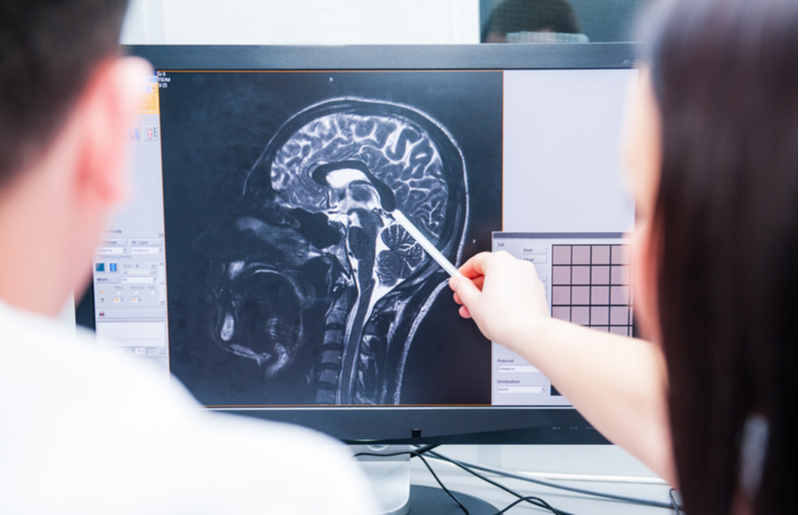
White Matter Disorders Program
The Australian Leukodystrophy Clinical and Research Program. This program aims to provide more diagnoses, improved experiences and better outcomes for families affected by leukodystrophies and white matter disorders through research and targeted precision treatments.
Read more...Epilepsy research
Tuberous sclerosis
Our research on epileptogenicity and outcome of surgery in tuberous sclerosis. This work is a collaboration between The Royal Children’s Hospital (RCH) departments of neurology, neurosurgery, medical imaging, and pathology, along with MCRIs tissue genetics team and the Petrou Lab at the Florey Neurosciences Institute.
A key area of investigation is the excitability and microstructure of cortical tubers — abnormal brain tissue associated with seizures. We study these using:
- In vivo investigations in patients
- In vitro analysis of resected brain tissue
Cortical dysplasia
Cortical dysplasias are a common cause of drug-resistant focal epilepsy in children. Some lesions are extremely small—at the limits of current magnetic resonance imaging (MRI) technology.
To improve detection and treatment, RCH’s neurology and neurosurgery teams are working with medical imaging and pathology departments, in collaboration with the Austin Hospital and the Florey Neurosciences Institute. The goal is to:
- Identify subtle brain lesions more accurately
- Enable more precise epilepsy surgery
- Improve seizure outcomes
EEG-functional MRI
EEG-fMRI is a cutting-edge technique that records brain electrical activity during an MRI scan, allowing researchers to visualise where abnormal activity originates.
In partnership with the Florey Neurosciences Institute, the Developmental Imaging research group at MCRI, and the RCH neurology department, we use EEG-fMRI to:
- Map seizure activity in children with focal and generalised epilepsy
- Identify candidates for surgical treatment
Anticonvulsant drug trials
The RCH neurology department, in collaboration with the Australian Paediatric Pharmacology Research Unit (APPRU), participates in randomised clinical trials of new antiepileptic medications.
These trials aim to:
- Evaluate the safety and effectiveness of new new antiepileptic medications
- Expand therapeutic options for children with epilepsy
Severe epilepsies of infancy (SEI)
SEI are a group of neurological disorders that begin early in life, often involving frequent seizures and poor cognitive outcomes. These conditions can arise from a variety of causes, but in many cases, the underlying cause remains unknown — even after extensive testing — and is presumed to be genetic.
Our research aims to:
- Study the incidence and genetic causes of SEI
- Improve diagnosis, prognosis, and management for affected children
- Identify the genes and biological pathways involved in SEI
Understanding the genetic basis of SEI is a critical first step toward developing targeted, novel treatments.
This work is being conducted in collaboration with the Epilepsy Research Centre at Austin Hospital.
Brain malformation research
Brain malformations are structural and functional abnormalities that occur during brain development, often due to genetic or environmental factors affecting the foetus during pregnancy.
These disorders include:
- Microcephaly
- Lissencephaly
- Grey matter heterotopia
- Agenesis of the corpus callosum
- Polymicrogyria
- Cortical dysplasia
Common symptoms may include cerebral palsy, developmental delay, and epilepsy.
Research focus
The Neuroscience research group at MCRI leads a comprehensive research program aimed at understanding:
- The causes of brain malformations
- Their clinical outcomes
- The most effective treatment approaches
Our work begins in the clinic and integrates:
- Advanced MRI for detailed brain imaging
- Next-generation sequencing for gene discovery
- Clinical and neuropsychological assessments to study outcomes and function
Collaborative approach
We work closely with experts across the Melbourne Children’s Campus, including genetics, imaging, neuropsychology, clinical neurology, epilepsy surgery.
We also collaborate with multiple national and international research partners to advance global understanding and care.
Neuromuscular research
Clinical trials into neuromuscular disorders of childhood
Neuromuscular disorders, including nerve (neuropathies) and muscle disorder (myopathies and muscular dystrophies), affect at least 1 in 1,000 children. While individually rare, these conditions can cause:
- Muscle weakness
- Difficulty with walking, running and motor tasks
Associated with orthopaedic issues such as scoliosis and joint contractures - In some cases, heart and respiratory complications, wheelchair dependence, and early mortality
Our research team
The team at MCRI and The Royal Children’s Hospital (RCH) is made up of a multidisciplinary team including paediatric neurologists, nurse practitioners, physiotherapists, occupational therapists, genetic counsellors, respiratory and cardiac specialists, orthotists, dietitians, psychiatrists, social workers, teachers, and orthopaedic surgeons.
The RCH Neuromuscular Clinic is led by Dr Eppie Yiu, with neurologists A/Prof Andrew Kornberg and Dr Victoria Rodriguez-Casero also contributing to the program.
We are engaged in several natural history studies and clinical trials into diagnosis, assessment and treatment of neuromuscular disorders of childhood.
Key areas of research
Duchenne muscular dystrophy (DMD)
DMD is the most common progressive muscle disease in children. Our team is part of several international research consortia and long-term natural studies, including clinical trials investigating:
- Nutraceuticals
- Bisphosphonate therapy
- Antisense oligonucleotide therapy
- Nonsense-mutation gene read-through treatments
Spinal muscular atrophy (SMA)
SMA is a severe condition affecting motor nerves, affecting motor nerves and causing severe weakness, contractures, scoliosis, and respiratory impairment. MCRI is one of only two Australian centres participating in an international trial of intrathecal antisense oligonucleotide therapy for infants with SMA type 1.
Charcot-Marie-Tooth (CMT) disease
CMT refers to a group of around 70 different genetic nerve diseases which can be present in childhood or adulthood. Our team:
- Led the first large-scale study of vitamin C supplementation for paediatric CMT type 1A
- Continues to study gait, orthopaedic outcomes, and natural history of different CMT
- Is preparing for trials of new therapeutic options
Leukodystrophy research
Leukodystrophies are disorders that affect the white matter—the brain’s communication or “cabling” networks. These conditions have variable clinical outcomes, including developmental delay, muscle spasticity, and problems with peripheral nerves in the legs or the optic nerves (eyes).
Some leukodystrophies are mild and non-progressive, while others are progressive and degenerative, worsening over time. Most are believed to be genetic, yet the precise genetic cause is only identified in around 50% of cases.
Our research focus
The The Massimo’s Mission Leukodystrophy and White Matter Disorders Program aims to:
- Classify and understand different types of leukodystrophies
- Understand their causes and clinical outcomes
- Improve diagnosis and develop better treatments
The program uses genomic technologies to increase diagnostic rates and is establishing a national registry to support research and care.
More on White Matter Disorders
Global collaboration
Our team is part of the Global Leukodystrophy Initiative (GLIA)—an international network of researchers working together to better understand these rare conditions and improve the lives of affected children and families.
Neurosurgery research
Conducted at Department of Neurosurgery at RCH, our research is focused on advancing the use of non-invasive, state-of-the-art neuroimaging techniques to improve surgical planning and outcomes for children undergoing neurosurgical procedures.
Our research focus
Our team is evaluating how advanced imaging technologies can support better decision-making before and during surgery. These include:
- MR diffusion tractography – a technique that maps brain nerve fibre tracts non-invasively
- Functional MRI (fMRI) – used to identify areas of the brain responsible for specific functions during task execution
- Intraoperative MRI (IMRIS theatre) – integrating MRI directly into the operating suite for real-time imaging during surgery
The current research is centred on the peri-operative and intra-operative use of MR diffusion tractography in paediatric epilepsy surgery. This technique not only enhances surgical precision but also serves as a valuable educational tool for understanding brain fibre tract anatomy in both healthy and disease states.
Neuroimmunology research
Although multiple sclerosis (MS) is commonly associated with adults, up to 5% of all MS cases begin during childhood. Over the past decade, treatment options have expanded significantly, with oral therapies now available as alternatives to traditional injectable medications.
However, the safety and effectiveness of these newer treatments in children still need to be formally studied.
Our research focus
MCRI is an active site in two large, international, multicentre MS clinical trials investigating the efficacy and safety of two new oral MS therapies for MS—fingolimod and teriflunomid.
These are the first randomised-controlled trials in paediatric MS, marking a major step forward in improving treatment options for children living with this condition.
The MCRI trial site is led by Associate Professor Andrew Kornberg (Principal Investigator) and Dr Eppie Yiu (Sub-Investigator).
High-resolution ultrasound in neuromuscular disorders of childhood
Over the past 10 to 15 years, advances in ultrasound technology have significantly improved image quality and resolution. High-resolution ultrasound is now increasingly used to assess nerve and muscle conditions in children.
As a safe, painless, and non-invasive imaging method, ultrasound is particularly well suited to paediatric care.
Our research focus
A recent study led by Dr Eppie Yiu at the Murdoch Children’s Research Institute found a marked increase in nerve size in children with Charcot-Marie-Tooth disease type 1A, an inherited nerve disorder. The findings suggest that nerve ultrasound may be a valuable tool for diagnosing and monitoring children with neuromuscular conditions.
Ongoing research aims to:
- Establish reference ranges for nerve size in healthy children
- Describe ultrasound findings in a range of inherited and inflammatory nerve disorders
- Identify muscle ultrasound abnormalities in conditions such as muscular dystrophies
This work is helping to expand the role of ultrasound in paediatric neuromuscular diagnosis and care.
Funding
Thanks to our supporters.
Competitive
- National Health and Medical Research Council
- Brain Research Foundation
- European Union FP7 Rare Disease Best Practice group
- Charcot-Marie-Tooth Association of Australia
Philanthropic
- Royal Children’s Hospital Foundation
- Thyne Reid Foundation
- Campbell Edwards Trust
- Handbury / Payne Family
- Suttie Family
- Hansen Family
- Brimbank Council
- Macquarie Bank
Collaborations
We partner with leading institutions worldwide, including:
Campus
- Australian Centre for Child Neuropsychology Studies
- Bruce Lefroy Centre
State
- Epilepsy Research Centre
- Walter and Eliza Hall Research Institute
- Brain Research Institute
National
- Australasian Neuromuscular Network
- Queensland Brain Institute
International
- Global Leukodystrophy Initiative
- Treat-NMD
- Cooperative International Neuromuscular Research Group
- International Pediatric Stroke Study
Featured publications
Morrison S, Lacey C, Attard C, Davies B, Monagle P, Davies P. Recombinant Factor VIIa in Pediatric Cardiac Surgery. J Cardiothorac Vasc Anesth. 2022 Mar;36(3):684-689. doi: 10.1053/j.jvca.2021.08.002. Epub 2021 Aug 8. PMID: 34479781.
Plummer K, McCarthy M, McKenzie I, Newall F, Manias E. Experiences of Pain in Hospitalized Children During Hematopoietic Stem Cell Transplantation Therapy. Qual Health Res. 2021 Oct;31(12):2247-2259. doi: 10.1177/10497323211034161. Epub 2021 Aug 7. PMID: 34369218.
Letunica N, Busuttil-Crellin X, Cowley J, Monagle P, Ignjatovic V. Age-specific differences in the in vitro anticoagulant effect of Bivalirudin in healthy neonates and children compared to adults. Thromb Res. 2020 Aug;192:167-173. doi: 10.1016/j.thromres.2020.05.020. Epub 2020 May 16. PMID: 32497869.
Nahain AA, Ignjatovic V, Monagle P, Tsanaktsidis J, Vamvounis G, Ferro V. Anticoagulant Heparin Mimetics via RAFT Polymerization. Biomacromolecules. 2020 Feb 10;21(2):1009-1021. doi: 10.1021/acs.biomac.9b01688. Epub 2019 Dec 30. PMID: 31841320.
Busuttil-Crellin X, McCafferty C, Van Den Helm S, Yaw HP, Monagle P, Linden M, Ignjatovic V. Guidelines for panel design, optimization, and performance of whole blood multi-color flow cytometry of platelet surface markers. Platelets. 2020 Oct 2;31(7):845-852. doi: 10.1080/09537104.2019.1709630. Epub 2020 Jan 6. PMID: 31906818.