Simple nasal spray significantly reduces snoring and breathing difficulties in children
- Details

10.1001/jamapediatrics.2025.5717A simple nasal spray significantly reduced snoring and breathing difficulties in children and halved the number needing to have their tonsils removed, according to a new study.
The research, led by the Murdoch Children’s Research Institute and published in JAMA Pediatrics, found a saline (salt water) nasal spray was just as effective as an anti-inflammatory steroid nasal spray at easing sleep disordered breathing in children after six weeks of treatment.
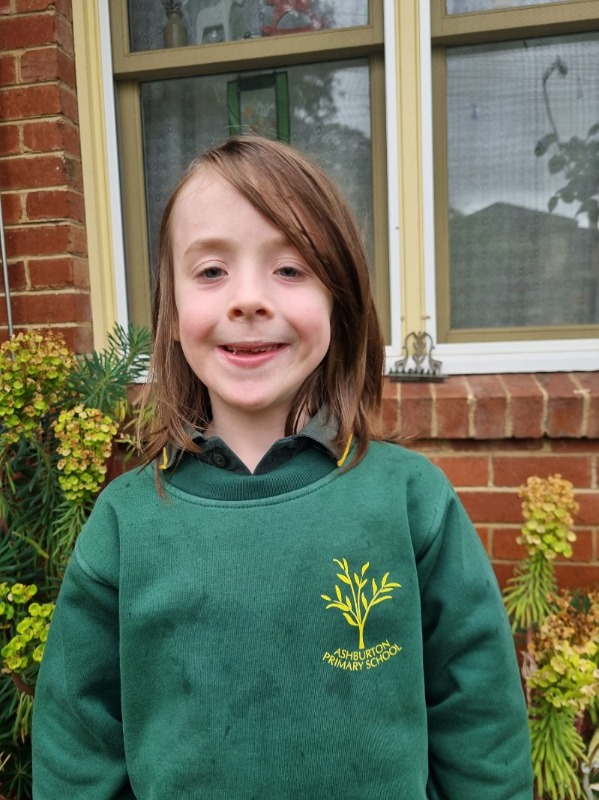
Image: Thomas, 7 stopped snoring and no longer needed his tonsils removed after taking part in the trial.
The findings stated both nasal sprays cleared symptoms while asleep in about 40 per cent of cases, and those assessed by a surgeon as needing their tonsils and/or adenoids removed was reduced by half. The randomised-controlled “MIST” trial of the sprays involved 276 children, aged 3-12 years, and was carried out at The Royal Children's Hospital and Monash Children's Hospital.
Tonsillectomy is the most common paediatric elective surgery for children in Australia, with more than 40,000 performed each year. Commonly used to treat children’s snoring, the procedure is costly, painful and a significant burden on hospital resources.
Murdoch Children’s Dr Alice Baker said Victorian children typically waited more than a year in the public system for surgery to remove tonsils and adenoids, prompting a need to look for an alternative treatment for sleep disordered breathing. Some children may also be having their tonsils and adenoids out unnecessarily, she said.
“Nasal sprays work by cleaning the nose and/or reducing inflammation not just in the nose but all the way down the back of the throat to the adenoids and tonsillar tissue to alleviate the symptoms,” Dr Baker said.
Snoring and breathing difficulties during sleep affect about 12 per cent of children and can cause significant long-term issues impacting cognitive function, behaviour and cardiovascular health.
Murdoch Children’s Professor Kirsten Perrett said the study found a substantial number of children with sleep disordered breathing could initially be managed by their GP and may not require referral to specialist services as currently recommended.
“A large proportion of children who snore and have breathing difficulties could be managed successfully by their primary care physician, using six weeks of an intranasal saline spray as a first-line treatment,” she said.
“Using this cheaper and readily available treatment would increase the quality of life of these children, waiting times and reduce hospital costs.”
Stephen and Emily said their son, Thomas, 7, had stopped snoring and no longer needed his tonsils removed since taking part in the trial.
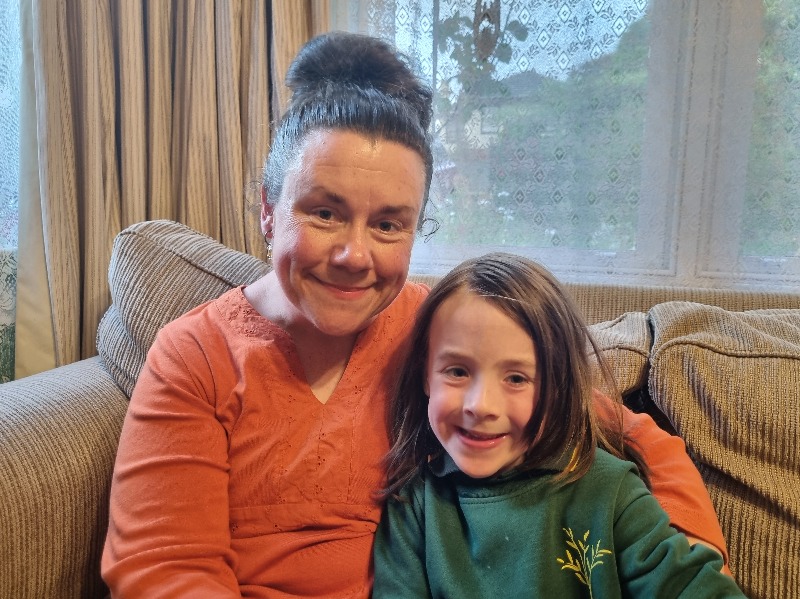
Image: Thomas, 7, with his mother Emily
From three years of age, Thomas started snoring, and we were concerned that he would eventually need surgery,” they said.
Prior to joining the trial, a specialist recommended having his tonsils out. It’s such a huge relief that by just using a nasal spray, his breathing difficulties have cleared.”
Follow up MIST+ Trial results
The next step in the research was for experts to explore whether children could benefit more from using the steroid spray alone rather than a saline spray.
Results from the MIST+ Trial, published in JAMA Pediatrics in January 2026, showed a saline nasal spray was just as effective as a steroid one at helping many children breathe and sleep better, potentially avoiding the need for surgery and specialist care.
The MIST+ Trial, led by Professor Perrett and Monash University Adjunct Clinical Professor Gillian Nixon, involved 150 children aged three to 12 years, who had been referred to specialists for sleep-related breathing difficulties.
The children first received a six-week course of saline spray. Remarkably, nearly one in three improved with saline nasal spray alone, with their symptoms resolving completely.
Children who still had symptoms were then randomly assigned to receive either a steroid nasal spray or continue with saline for another six weeks.
The results showed no difference between the two treatments. Over 12 weeks, 50 per cent of the children had recovered, avoiding the need for further treatment.
"With the guidance of your GP, families should consider saline for 12 weeks to help resolve common symptoms associated with obstructive sleep apnoea before turning to specialist care and surgery," Professor Perrett said.
To find out more, email: show email address .
Researchers from the University of Melbourne, The Royal Children’s Hospital, the Royal Hospital for Children in Glasgow, Monash Health and Monash University also contributed to the findings.
Publications
Alice Baker, Anneke Grobler, Karen Davies, Amanda Griffiths, Harriet Hiscock, Haytham Kubba, Rachel L Peters, Sarath Ranganathan, Joanne Rimmer, Elizabeth Rose, Katherine Rowe, Catherine M Simpson, Andrew Davidson, Gillian Nixon and Kirsten P Perrett. ‘Intranasal mometasone furoate for sleep-disordered breathing in children: a randomized double-blind placebo-controlled trial,’ JAMA Pediatrics. DOI: 10.1001/jamapediatrics.2022.5258
Gillian Nixon, Deborah Anderson, Alice Baker, Andrew Davison, Amanda Griffiths, Anneke Grobler, Gideon Pinczower, Joanne Rimmer, Elizabeth Rose, Chris Sleman, Catherine Simpson, Moya Vandeleur, Kirsten Perrett. 'Instranasal treatments for children with sleep-disordered breathing', JAMA Pediatrics. DOI: 10.1001/jamapediatrics.2025.5717
Available for interview
- Professor Kirsten Perrett, Murdoch Children’s Group Leader, Population Allergy
- Associate Professor Gillian Nixon, Monash Children’s Hospital
- Dr Alice Baker, Murdoch Children’s researcher
- Stephen Graham and Emily Tuner-Graham, whose son Thomas, seven years old, took part in the trial.
Media Contact
Murdoch Children's Research Institute
Phone: +61 457 365 848
Email:
show email address
About Murdoch Children’s Research Institute
The Murdoch Children's Research Institute is the largest child health research institute in Australia committed to making discoveries and developing treatments to improve child and adolescent health in Australia and around the world. They are pioneering new treatments, trialling better vaccines and improving ways of diagnosing and helping sick babies, children and adolescents. It is one of the only research institutes in Australia to offer genetic testing to find answers for families of children with previously undiagnosed conditions.
Funding
The trial was funded by research grants awarded to A/Prof Kirsten Perrett, A/Prof Gillian Nixon and Dr Alice Baker by the Murdoch Children’s Research Institute, The Royal Children’s Hospital Foundation and the Monash Health Foundation.
Share //