
CHOICE UTI (Care at Home Or Inpatient in Children from Emergency with UTI)
- Project status: Active
Research area: Infection, Immunity and Global Health > Clinical Infections

CHOICE UTI is a world-first clinical trial investigating the best way to treat children hospitalised with complicated urinary tract infections (UTIs)
We want to find out if a single dose of intravenous antibiotics is as good at clearing up urinary tract infections (UTIs) as three days of intravenous antibiotics.
If it is, then children could get home earlier.
We want to find out if a single dose of intravenous antibiotics is as good at clearing up urinary tract infections (UTIs) as three days of intravenous antibiotics.
If it is, then children could get home earlier.
Why this study is important
Urinary tract infections (UTIs) are very common in children, with three per cent having at least one in their lifetime. In most cases children can be treated with antibiotics taken by mouth.
But in some children, it can be a bit complicated, like when they are vomiting. Then, we might give antibiotics through a vein, known as intravenous (IV) or drip antibiotics. Some children only get a single dose of IV antibiotics then switch to antibiotics by mouth, while others receive three doses over three days before switching.
Longer courses of IV antibiotics means more days in hospital and more days with a drip in.
Can one dose of IV antibiotics treat UTIs as well as three doses?
We’re running a study to find out if a single dose of intravenous (IV) antibiotics is just as effective at treating urinary tract infections (UTIs) in children as three doses. If it is, children could recover just as well and get home sooner.
We expect that three days after the first dose, children in both groups will be feeling better. If that’s the case, it means one dose works just as well as three doses.
In this video, Associate Professor Penelope Bryant outlines the reason this study is important for our for children.
Information for participants & families
Participating children will be randomly allocated to one of the two treatment arms.
That means that you or your doctor (in the Emergency Department or the ward) cannot choose how many days of IV you receive.
Half of the children in this study will receive one dose IV antibiotics and half will receive three doses. Both groups will switch to antibiotics by mouth after their IV and will receive seven days of antibiotics in total.
During this time, we will:
- Ask you to check your child’s temperature three times a day for three days
- Contact you to ask how your child is doing
In this video, Dr Laila Ibrahim details the CHOICE UTI trial for participants.
Study locations
This international study includes five sites across Australia and New Zealand.
- The Royal Children’s Hospital (RCH), Melbourne
Senior Coordinating Principle Investigator: Associate Professor Penelope Bryant
Coordinating Principle Investigator: Dr Laila Ibrahim - Adelaide Women and Children’s Hospital
Site Principle Investigator: Associate Professor Amit Kochar - Perth Children’s Hospital
Site Principle Investigator: Professor Meredith Borland - Monash Medical Centre
Site Principle Investigator: Professor Simon Craig - Starship Hospital, New Zealand
Site Principle Investigator: Professor Stuart Dalziel
Funding
Funding for the CHOICE UTI trial is from a Medical Research Future Fund (MRFF) Grant and The Royal Children's Hospital Foundation Grant.
CHOICE UTI is sponsored by Murdoch Children’s Research Institute (MCRI).
Collaborations
Special thanks go to all of those involved in the running of our study:
- Paediatric Research in Emergency Departments International Collaborative (PREDICT) network
- Site research teams
- Study consumer group
- Steering Committee
- DSMB Committee
- Statisticians
Contact us
CHOICE UTI
Murdoch Children's Research Institute
The Royal Children's Hospital
50 Flemington Road
Parkville VIC 3052
Australia
Lucy Hill, Research Assistant
Email:
show email address
Latest news
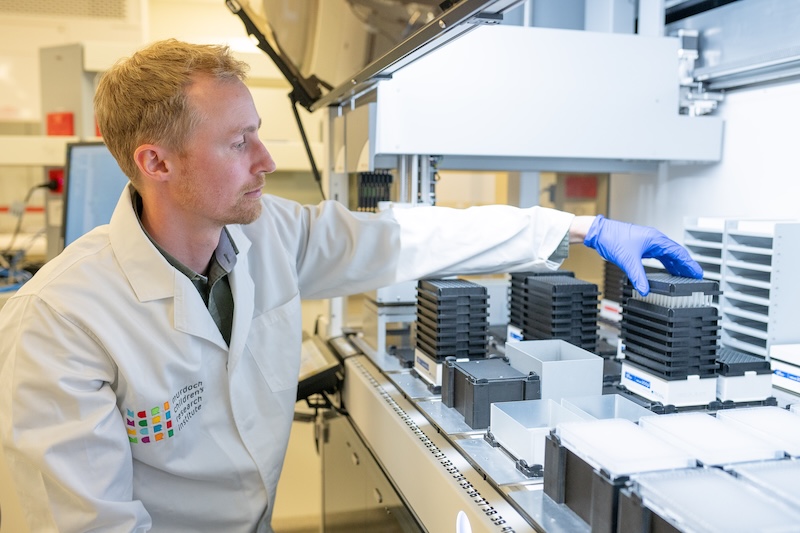
MCRI receives stem cell medicine grant to advance drug discovery

MRFF grant to transform preventive child health through GenV

Vale Patricia Ilhan

Genomic tool highly effective at detecting rare disease diagnoses

Social media use linked to poorer mental health in early adolescence
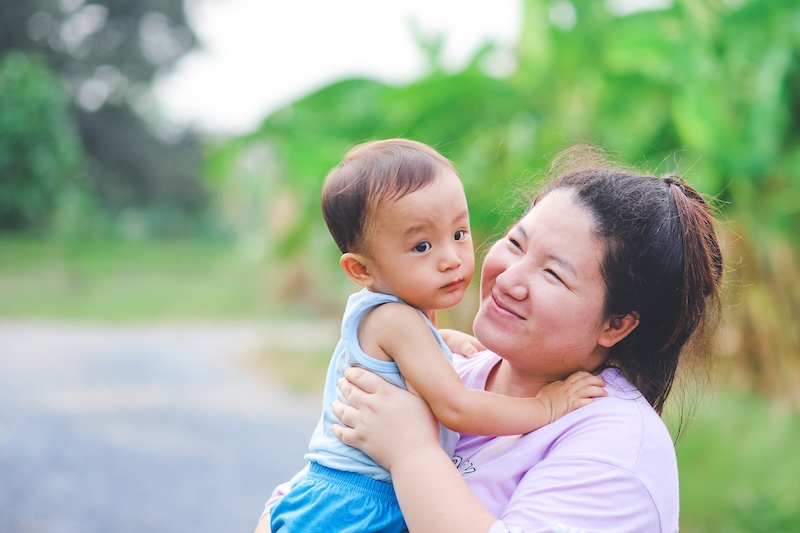
Safety concerns biggest barrier to vaccination

MCRI community recognised in 2026 Kings Birthday Honours

MCRI WHO Collaborating Centre for Child Health continues

Accelerating recovery for children with concussion
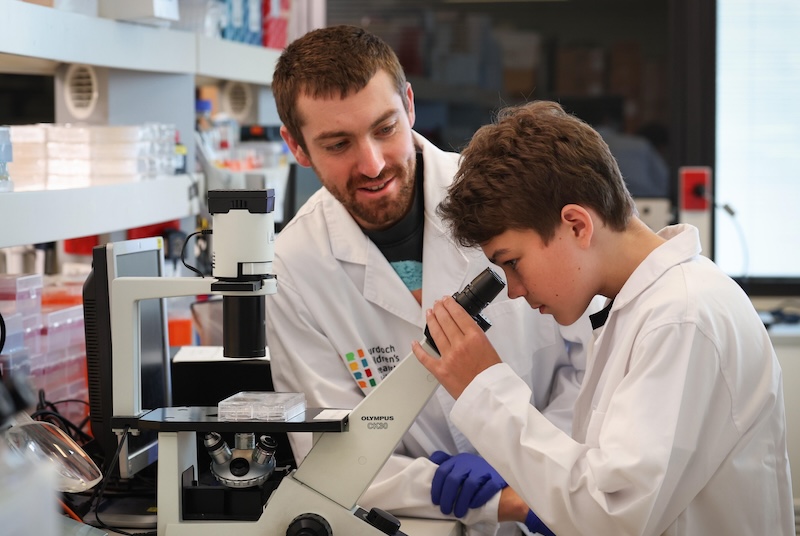
Early lung damage mapped in children with cystic fibrosis

Share //