EARSHOT Study
- Project status: Active
Research area: Infection, Immunity & Global Health > Antimicrobials
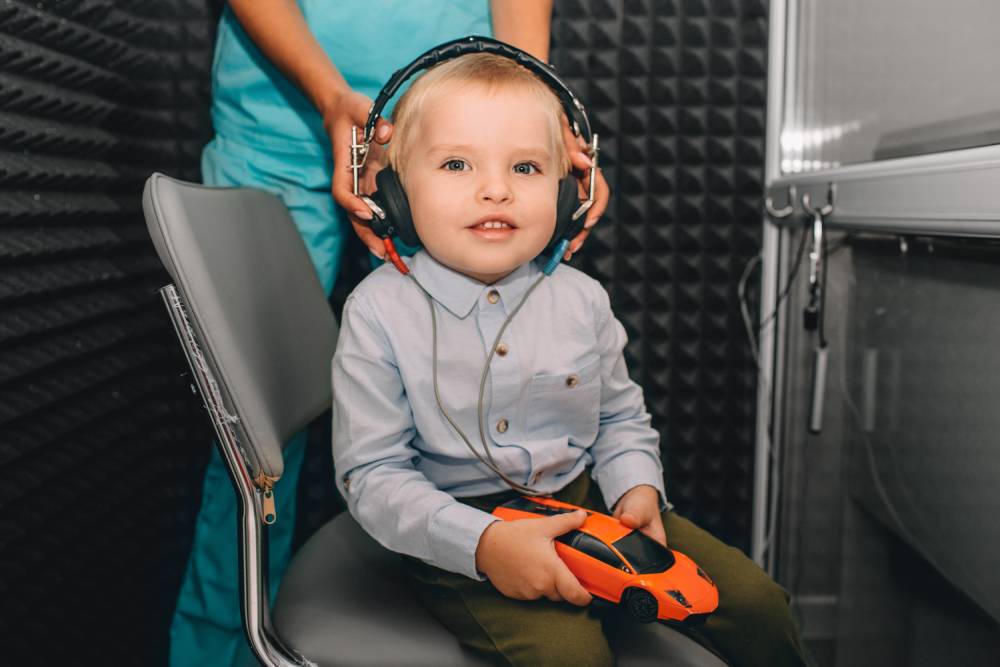
An international, multicentre prospective cohort study evaluating the risk of hearing loss in children receiving antibiotic treatment
We are improving paediatric care by predicting and preventing aminoglycoside antibiotic associated hearing damage.
We are improving paediatric care by predicting and preventing aminoglycoside antibiotic associated hearing damage.
Aminoglycoside antibiotics are widely used to treat serious infections in children. However, previous studies have shown that children who receive long courses of aminoglycosides might be at a higher risk of developing hearing loss. Studies have also found the risk of hearing loss can be greater in children who carry a specific gene variant.
Although these antibiotics are very important in treating bacterial infections, we still don’t know the safest dosages or durations of treatment needed to minimise the chance of hearing damage.
Research has also found that there are specific proteins in the blood called biomarkers which are released when there are signs of hearing damage.
About the EARSHOT Study
The EARSHOT Study is a major research project being conducted across children’s hospitals in Australia and New Zealand. Our goal is to find safer and more effective ways to use aminoglycoside antibiotics, ensuring children receive the infection treatment they need while reducing the risk of hearing loss.
EARSHOT is a five‑year cohort study enrolling children aged one to 19 years who are receiving intravenous aminoglycosides during a hospital admission one of the participating hospitals.
We aim to understand:
- Are children with specific gene variants more likely to experience hearing loss from aminoglycosides?
- Does the amount and duration of aminoglycoside antibiotics increase the risk of hearing loss in children?
- Can biomarkers in the blood be measured to detect hearing loss early, before it becomes permanent?
By answering these questions, we hope to determine the appropriate amount of antibiotics to safely give to children with bacterial infections.
Study locations
The EARSHOT Study is being conducted at seven major children’s hospitals across Australia and New Zealand.
What happens in the study?
Children taking part in the study will be asked to:
- Complete a hearing test at the start of antibiotic treatment (if not already completed).
- Repeat the hearing test approximately three to six months after treatment ends.
- Provide additional blood samples to measure biomarkers linked to early hearing damage.
Please note:Participation does not change the child’s medical care—only the additional hearing tests and blood samples are part of the study.
Who can participate?
Children may be eligible if they:
- Are aged 1 to under 19 years, AND
- Are expected to receive at least 48 hours of intravenous aminoglycoside antibiotics, AND
- Are being treated at one of the participating hospitals.
If you’re unsure about eligibility, our research team can help you determine whether this study is suitable. For more information about the study please contact us.
Email: show email address
Frequently asked questions
Lead researcher
Associate Professor Amanda Gwee, Coordinating Principal Investigator & Group Leader, Antimicrobials Research Group.
Co-investigators
- Professor Thomas Snelling, Co-Investigator & Head, Infectious Disease Implementation Research at The Kids Research Institute Australia's Wesfarmers Centre of Vaccines & Infectious Diseases
- Professor John Christodoulou, Director/Chair of Genomic Medicine, Murdoch Children’s Research Institute
- Associate Professor Cornelia Landersdorfer, Leader, The Antimicrobial Pharmacokinetics, Pharmacodynamics and Dosage Regimen Optimisation Research Group, Monash University
- Professor Rachel Conyers, Paediatric Oncologist, The Royal Children’s Hospital, Cancer Therapies Group Leader/Clinician-Scientist Fellow, Murdoch Children’s Research Institute
- Dr Marnie Downes, Study Statistician, Murdoch Children’s Research Institute
- Professor Richard Norman, Health Economist, Curtin University
- Dr Nicole Messina, Team Leader, Infectious Diseases Research Group, Murdoch Children’s Research Institute
- Dr Shivanthan Shanthikumar, Paediatric Respiratory Specialist, The Royal Children’s Hospital; Co-Group Leader, Respiratory Research Group, Murdoch Children’s Research Institute
- Dr Peter Carew, Audiologist, The University of Melbourne
- Mr Mitch Messer, Consumer Committee Chair
- Professor Nigel Curtis, Paediatric Infectious Diseases Physician, The Royal Children’s Hospital; Infectious Diseases Research Group Leader, Murdoch Children’s Research Institute
- Mr Lyndon Gallacher, Genetic Counsellor, Murdoch Children’s Research Institute
Site investigator
- Dr Brendan McMullan, Paediatric Infectious Diseases Specialist, Sydney Children’s Hospitals Network, NSW
- Associate Professor Emma Best, Paediatric Infectious Diseases Consultant, Starship Children’s Hospital, Auckland NZ
- Dr Angela Berkhout, Paediatrician, Gold Coast University Hospital, QLD
- Dr Daniel Yeoh, Paediatrician and Infectious Diseases Physician at Perth Children’s Hospital, WA
- Mr Tony Lai, Senior Clinical Pharmacist, The Children’s Hospital at Westmead, NSW
- Dr Sophie Chien-Hui Wen, Paediatric Infectious Diseases Specialist, Children’s Hospital Queensland, QLD
Funding
The EARSHOT Study is generously supported by funding from the Australian Government under the National Health and Medical Research Council (NHMRC). (2042432).
This study is sponsored by the Murdoch Children’s Research Institute.
Collaborations
Participating sites
All sites are members of the Australasian KIDS-DOSE Consortium, a dedicated research network for paediatric drug trials for serious diseases in children.
Australia
- The Royal Children’s Hospital (RCH)
- Perth Children’s Hospital
- Sydney Children’s Hospital Network
- The Children’s Hospital Westmead
- Queensland Children’s Hospital
- Gold Coast University Hospital
New Zealand
- Starship Children’s Hospital - NZ
Join our Community Reference Group
Have you or your child experienced treatment-related hearing loss?
Researchers at MCRI are looking for adults and parents/carers to join the consumer reference group for the EARSHOT Study.
How do I join?
If you are interested in joining, please email us with your name and contact information. Our team will be in touch with further details
Email: show email address
About the group
The group will include:
- Four community/consumer members: Adults and parent/carers of children who have experienced medication‑acquired hearing loss, AND
- One member of the EARSHOT Research Team.
The group will play an important role in ensuring that the EARSHOT Study reflects the needs, priorities, and experiences of children and families affected by hearing loss related to medication.
What am I expected to do?
Members of the group will provide feedback and guidance to the research team on:
- Which health outcomes matter most to children with infections being treated with aminoglycoside antibiotics.
- How to communicate the study results in a clear and accessible way to families, communities, and the broader public.
Your insights will help ensure the project remains meaningful, relevant, and accessible to the communities it aims to support.
What skills or experience do I need?
To join the Community Reference Group, you need to be an adult with treatment-related hearing loss or a parent/carer of a child with treatment-related hearing loss.
The researchers are keen to hear from people living in all areas of Australia.
What is the time commitment?
A one-hour meeting will be held four times per year. Some additional time may also be required outside meeting to respond to emails and phone calls.
Will I be paid for my time?
Yes. We appreciate your time. Everyone who joins the one hour meeting will receive $225 as a thank you payment.
Where will meetings be held?
All meetings will be virtual by video conferencing.
Contact us
EARSHOT Study
Murdoch Children's Research Institute
50 Flemington Road
Parkville, Victoria 3052
Australia
Email: show email address
Hearing loss news
Making a new rhythm
Getting answers too late to prevent common virus

Most patients with mitochondrial disease can be diagnosed via genomic sequencing
Receiving a genetic disorder diagnosis

New guidelines to improve long-term care of preterm babies
Easier access to clinical trials under sweeping changes to medical research
Improving the health of deaf and hard of hearing children
Australian Childhood Deafness Research – Community Advisory Group
Children with hearing loss to benefit from new genetic tests
New child hearing registry aims to track and optimise hearing outcomes
Screen cCMV project
HearS-cCMV Project
Share //