
New Vaccines
Combining disease surveillance and vaccine evaluation to generate evidence that strengthens immunisation strategies, informs public health decision-making, and assesses cost-effectiveness.
Our group integrates global disease surveillance with vaccine evaluation to strengthen immunisation strategies worldwide. We work across Australia, Mongolia, Indonesia, Vietnam, Fiji and the broader Asia–Pacific region, as well as some countries in Africa. We partner with governments, research institutions, laboratories and international agencies.
The challenge
Despite major advances in vaccination, infectious diseases remain a significant cause of illness, hospitalisation and preventable death.
Countries face complex decisions around vaccine schedules, product selection and equitable access, particularly for vulnerable populations. In addition, climate change is accelerating the expansion of infectious diseases across the globe.
Our research
We combine disease and carriage surveillance, clinical trials, immunological research to generate real world evidence. Our work assesses vaccine effectiveness, optimises vaccination strategies, and evaluates cost-effectiveness to inform national and global immunisation policy. We also assess the impact of other risk factors such as air pollution on the burden of infectious diseases.
Future impact
By strengthening the evidence base for vaccination programs, we aim to reduce disease burden, improve health equity, and support sustainable immunisation strategies, especially in lower income countries, that protect current and future generations.
Contact us
For more information on our group and research please contact us.
Associate Professor Claire von Mollendorf, Team Leader
Email:
show email address
Group Leaders

Team Leaders

Group Members










Our projects

Clear skies, healthy lives: Protecting children from pollution-driven pneumonia
Aiming to determine the deleterious effects of air pollution on respiratory infections and disease across the life course and provide data to guide relevant public health policies.
Read more...
COVID-19 Fourth Dose Study
Our study aims to assess the immune responses of two different fourth-dose vaccines (bivalent Moderna versus Novavax) among people who have previously received three doses of a COVID-19 vaccine.
Read more...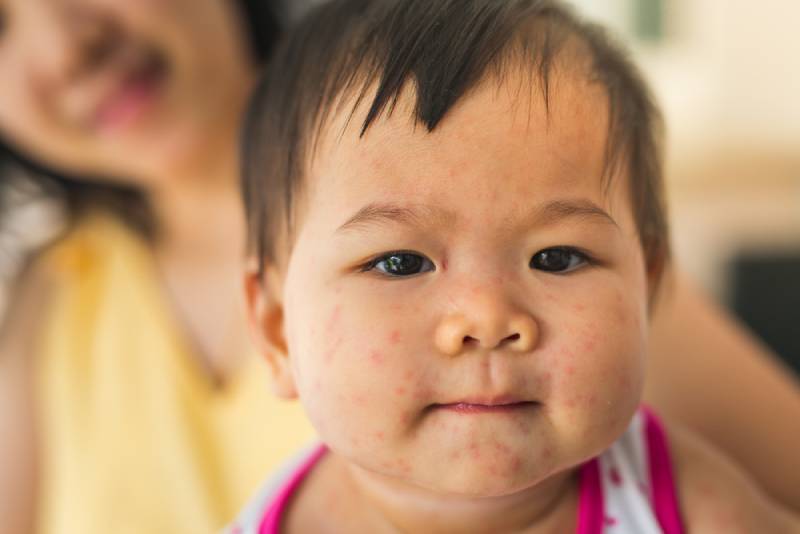
Immune responses to 13-valent pneumococcal conjugate vaccine (PCV13) in children recovering from measles infection
This observational study aims to describe immune responses to PCV13 in children recovering from measles infection at different periods of post-infection and in healthy children who had known not to have measles infection in the past six months. All children have not previously received any PCV doses.
The project is open to both patients and healthy children attending Children's Hospital 1 (CH1) in Ho Chi Minh City, Vietnam.
Read more...CEPI COVID-19 booster study – Australia, Mongolia and Indonesia
Three studies were conducted simultaneously in Australia, Mongolia and Indonesia to evaluate immune responses to COVID-19 booster vaccines in individuals who had previously completed a primary vaccination series. In Australia, the participants enrolled had received three prior vaccine doses while in Indonesia and Mongolia they had received two prior doses.
The Australian study, based in Melbourne, compared the immune responses generated by Moderna and Novavax booster vaccines and examined the occurrence of breakthrough infections following booster vaccination. This study is currently completing its final follow-up time point (30 months), with laboratory analyses ongoing.
In Mongolia and Indonesia, the studies evaluated immune responses to booster vaccines administered as either a standard dose or a fractional (reduced) dose. These studies aimed to determine whether reduced-dose boosters could generate comparable immune responses to standard doses in addition to reducing reactogenicity. Laboratory analyses for these studies are ongoing as samples are processed and immune responses evaluated.
Together, these studies provide important evidence to inform booster vaccination strategies and explore approaches that could optimise vaccine use and improve access to booster programs globally.
Pneumonia surveillance, pneumococcal carriage and vaccine impact in Mongolia
Overview
Pneumococcal conjugate vaccine (PCV) programs have significantly reduced pneumococcal disease and carriage in many settings. Ongoing surveillance is needed to monitor changes in disease burden, pneumococcal carriage and circulating serotypes.
What we are doing
Our group conducted pneumonia surveillance in four districts in Ulaanbaatar, Mongolia in children and adults over 6 years to assess the direct and indirect impact of PCV introduction. In additional changes in pneumococcal carriage was assessed in hospitalised adults and children, and healthy children and pneumococcal disease in adults.
Our impact
Following PCV introduction we demonstrated a reduction in radiologically confirmed and very severe pneumonia in children. Vaccine-type pneumococcal serotypes decreased in both hospitalised and healthy children. Childhood PCV had no indirect impact on all-cause or severe adult pneumonia hospitalisation incidence.
Findings from this work resulted in childhood PCV being included in the Immunization Law of Mongolia to ensure ongoing provision. It also highlighted the need for adult pneumococcal vaccination in high risk groups.
Air pollution and infectious diseases
Overview
Air pollution is a major global public health threat, with 99% of the world’s population exposed to unhealthy levels of fine particulate matter. Although the link between air pollution and respiratory infections is recognised, it is likely that air pollutants could enhance the effects of viral and bacterial infections and effects may vary by exposure levels and pollutant type.
What we are doing
We aim to examine the interactive effects of air pollution and pathogen exposure on subsequent respiratory infections especially in high burden settings; we will investigate associations between acute and sub-acute air pollution exposure and different pneumonia outcome measures in hospitalised adults and children; and explore individual and cumulative air pollutant exposure effects with a range of pollutants.
Our impact
Study findings will help to advise public health measures and policy interventions.
Pneumococcal vaccine research in Vietnam
Overview
Pneumococcal disease continues to cause significant morbidity among young children in many low- and middle-income countries. Optimising vaccine schedules is essential to maximise protection while ensuring affordability and sustainability.
What we are doing
Our group collaborates with research partners in Vietnam to conduct clinical research on pneumococcal conjugate vaccines (PCVs). This work evaluates vaccine performance, compares PCV products with differing serotype coverage, and examines strategies to optimise vaccine schedules.
An upcoming study will investigate reduced-dose PCV schedules and their ability to maintain strong immune protection while reducing program costs.
Our impact
Findings from this work will help inform national immunisation strategies and contribute to global evidence on how pneumococcal vaccination programs can be delivered more efficiently while maintaining strong protection against disease.
Measles and post-measles immune protection
Overview
Measles infection causes immune suppression and “immune amnesia,” leaving children vulnerable to secondary infections for months after recovery. Pneumonia is a leading cause of measles-related morbidity and mortality.
What we are doing
This project investigates whether pneumococcal conjugate vaccines (PCVs) can help protect children during the vulnerable period following measles infection. The study examines immune responses to PCV administered to children hospitalised with measles and evaluates how measles-associated immune suppression may affect vaccine responses.
Our impact
This work aims to inform strategies that reduce the risk of severe secondary infections following measles and improve protection for children recovering from the disease.
HPV vaccine immunology and optimised vaccination strategies
Overview
Human papillomavirus (HPV) is the leading cause of cervical cancer and contributes to several other cancers globally. Expanding access to effective HPV vaccination is critical to achieving global elimination targets.
What we are doing
Our research focuses on understanding the durability of protection provided by single-dose HPV vaccination and the immune mechanisms underlying HPV vaccine induced protection. We also evaluate targeted vaccination strategies for populations at highest risk of HPV infection.
Our impact
By improving understanding of vaccine-induced immunity and evaluating simplified vaccination strategies, this work aims to support more equitable and sustainable HPV vaccination programs and accelerate progress toward eliminating HPV-related cancers.
Funding
Thank you to our supporters.
- Gates Foundation
- GAVI Alliance
- National Health and Medical Research Council (NHMRC)
- World Health Organisation (WHO)
- Medical Research Council (MRC)
- PATH
- Pfizer
- CEPI (Coalition for Epidemic Preparedness Innovation)
- Department of Foreign Affairs and Trade (DFAT)
Collaborations
We partner with leading institutions worldwide, including:
- Menzies Institute, Charles Darwin University, Darwin, Australia
- London School of Hygiene and Tropical Medicine, UK
- Nagasaki University, Nagasaki, Japan
- Mongolian Ministry of Health
- Fiji Ministry of Health and Medical Services
- Pasteur Institute, Ho Chi Minh, Vietnam
- Armauer Hansen Research Institute (AHRI), Addis Ababa, Ethiopia
- WHO Western Pacific Regional Office
- Doherty Institute, Melbourne
- NCCD (National Centre for Communicable Diseases), Mongolia
- Universitas Padjadjaran (UNPAD), Bandung
- Universitas Indonesia (UI), Jakarta
Featured publications
Do LAH, Mulholland K. Measles 2025. N Engl J Med. 2025 Dec 18;393(24):2447-2458. doi: 10.1056/NEJMra2504516. Epub 2025 Jun 25. PMID: 40561553.
Mungun T, Ulziibayar M, Nguyen CD, Batsaikhan P, Suuri B, Luvsantseren D, Narangerel D, Tsolmon B, Do LAH, Ong DS, Ortika BD, Pell CL, Boelsen LK, Wee-Hee AC, Spry L, Hinds J, Pride MW, Dunne EM, Gessner BD, Mulholland EK, Satzke C, von Mollendorf C. Pneumococcal carriage and disease in adults hospitalised with community-acquired pneumonia in Mongolia: prospective pneumonia surveillance program (2019-2022). Pneumonia (Nathan). 2025 Nov 25;17(1):27. doi: 10.1186/s41479-025-00184-w. PMID: 41287120; PMCID: PMC12645769.
Batmunkh T, Neal EFG, Amraa O, Mazarakis N, Altangerel B, Avaa N, Batbayar L, Batsukh K, Bright K, Burentogtokh T, Do LAH, Dorj G, Hart JD, Jamiyandorj O, Javkhlantugs K, Jigjidsuren S, Justice F, Li S, Mashbaatar K, Moore KA, Namjil N, Nguyen CD, Ochirbat B, Surenjav U, Thomson H, Tsolmon B, Licciardi PV, von Mollendorf C, Mulholland K. Immunogenicity and safety at twelve months of fractional and standard BNT162b2 booster doses in adults primed with ChAdOx1-S, BBIBP-CorV, or Gam-COVID-Vac in Mongolia: a randomised controlled trial. Vaccine. 2025 Nov 14;66:127840. doi: 10.1016/j.vaccine.2025.127840. Epub 2025 Oct 9. PMID: 41072276.
Hart JD, Fadlyana E, Mazarakis N, Putri ND, Watts E, Moore KA, Neal EFG, Setiabudi D, Putra MGD, Nguyen C, Zhafira AS, Wicaksana P, Sinto R, Oktavia D, Fajarani R, Indrati AR, Murad C, Hartantri Y, Suryadinata H, Sofiatin Y, Rusmil K, Satari HI, Hadinegoro SR, Kartasasmita CB, Sundoro J, Licciardi PV, von Mollendorf C, Mulholland EK. Immunogenicity of fractional and standard dose COVID-19 vaccine boosters among healthy adults in Indonesia: twenty four month follow-up from a randomised controlled trial. Nat Commun. 2025 Sep 29;16(1):8569. doi: 10.1038/s41467-025-63598-6. PMID: 41022811; PMCID: PMC12480844.
Mazarakis N, Toh ZQ, Neal E, Bright K, Luu S, Quah L, Ng YY, Nguyen C, Hart J, Do LAH, Rudel A, Dassanayake S, Higgins RA, Ong DS, Justice F, Moore KA, Watts E, Mahanty S, Subbarao K, Mulholland K, von Mollendorf C, Licciardi PV. The immunogenicity, reactogenicity, and safety of a bivalent mRNA or protein COVID-19 vaccine given as a fourth dose. J Infect. 2025 Mar;90(3):106447. doi: 10.1016/j.jinf.2025.106447. Epub 2025 Feb 18. PMID: 39978439.
von Mollendorf C, Mungun T, Ulziibayar M, Skoko P, Boelsen L, Nguyen C, Batsaikhan P, Suuri B, Luvsantseren D, Narangerel D, Tsolmon B, Demberelsuren S, Ortika BD, Pell CL, Wee-Hee A, Nation ML, Hinds J, Dunne EM, Mulholland EK, Satzke C. Effect of pneumococcal conjugate vaccine six years post-introduction on pneumococcal carriage in Ulaanbaatar, Mongolia. Nat Commun. 2024 Aug 3;15(1):6577. doi: 10.1038/s41467-024-50944-3. PMID: 39097620; PMCID: PMC11297977.
von Mollendorf C, Mungun T, Ulziibayar M, Nguyen CD, Batsaikhan P, Suuri B, Luvsantseren D, Narangerel D, Tsolmon B, Demberelsuren S, Ortika BD, Pell CL, Wee-Hee A, Nation ML, Hinds J, Dunne EM, Mulholland EK, Satzke C. Effect of pneumococcal conjugate vaccination on pneumococcal carriage in hospitalised children aged 2-59 months in Mongolia: an active pneumonia surveillance programme. Lancet Microbe. 2024 Dec;5(12):100929. doi: 10.1016/S2666-5247(24)00171-X. Epub 2024 Oct 30. PMID: 39486429.
Ong DS, von Mollendorf C, Mulholland K, Do LAH. Measles Seroprevalence in Infants Under 9 Months of Age in Low- and Middle-Income Countries: A Systematic Review and Meta-analysis. J Infect Dis. 2025 Aug 14;232(2):316-326. doi: 10.1093/infdis/jiaf177. PMID: 40179253.
Temple B, Nation ML, Dai VTT, Beissbarth J, Bright K, Dunne EM, Hinds J, Hoan PT, Lai J, Nguyen CD, Ortika BD, Phan TV, Thuy HNL, Toan NT, Uyen DY, Satzke C, Smith-Vaughan H, Huu TN, Mulholland K. Effect of a 2+1 schedule of ten-valent versus 13-valent pneumococcal conjugate vaccine on pneumococcal carriage: Results from a randomised controlled trial in Vietnam. Vaccine. 2021 Apr 15;39(16):2303-2310. doi: 10.1016/j.vaccine.2021.02.043. Epub 2021 Mar 19. PMID: 33745731; PMCID: PMC8052188.
Van Nguyen T, Tuan LA, Mai CTN, Ly LTK, Lien THM, Chung NT, Huyen DTT, Uyen NTT, Thanh NTT, Nhung TTH, Quang C, Von Mollendorf C, Murray G, Garland SM, Bright K, Licciardi PV, Mulholland K, Toh ZQ. Immunogenicity of HPV Vaccine in a High-Risk and Understudied Group: Female Sex Workers. J Infect Dis. 2026 Mar 1:jiag112. doi: 10.1093/infdis/jiag112. Epub ahead of print. PMID: 41764658.
von Mollendorf C, Ulziibayar M, Nguyen CD, Batsaikhan P, Suuri B, Luvsantseren D, ….Mulholland, K. Effect of Pneumococcal Conjugate Vaccine on Pneumonia Incidence Rates among Children 2-59 Months of Age, Mongolia, 2015-2021. Emerg Infect Dis. 2024 Mar;30(3):490-498.
Temple B, Tran HP, Dai VTT, Smith-Vaughan H; VPT-II Collaborator Group; Licciardi PV, Satzke C, Nguyen TV, Mulholland K. Efficacy against pneumococcal carriage and the immunogenicity of reduced-dose (0 + 1 and 1 + 1) PCV10 and PCV13 schedules in Ho Chi Minh City, Viet Nam: a parallel, single-blind, randomised controlled trial. Lancet Infect Dis. 2023 Aug;23(8):933-944. doi: 10.1016/S1473-3099(23)00061-0. Epub 2023 Apr 14. PMID: 37062304; PMCID: PMC10371874.
Do LAH, Toh ZQ, Licciardi PV, Mulholland EK. Can early measles vaccination control both measles and respiratory syncytial virus infections? Lancet Global Health 2022; 10(2): e288-e92.
Vaccine news
Immune responses to 13-valent pneumococcal conjugate vaccine (PCV13) in children recovering from measles infection
Safety concerns biggest barrier to vaccination

Dr Lien Anh Ha Do wins Thrasher Research Fund Award
Needle-free flu vaccine aims to boost children’s immunity
STEVIA project: Confirmation of hospitalised typhoid cases in Indonesia
SETIA Program: Surveillance of Enteric Typhoid Fever in Indonesia

SNIFFLES - Southern Hemisphere Nasal Influenza Flu Vaccine Experience Study

NHMRC Ideas Grants to advance childhood treatments and diagnoses

CSL Centenary Fellowship for Dr Carolien van de Sandt

Discovery into how breastfeeding impacts immunity in babies

Pneumococcal vaccine trial aims to provide more protection to babies