
Hot Spots: heat, pregnancy and the health of Victorian babies
- Project status: Active
Research area: Population Health > Centre for Community Child Health > Prevention Innovation
Heat, pregnancy and the health of Victorian babies
Within Melbourne alone, neighbourhood temperatures can differ by up to 8°C, meaning a baby’s earliest environment is shaped by factors like tree cover, housing quality and local disadvantage.
Without better data, families living in the hottest, most disadvantaged areas remain invisible to policy.
Within Melbourne alone, neighbourhood temperatures can differ by up to 8°C, meaning a baby’s earliest environment is shaped by factors like tree cover, housing quality and local disadvantage.
Without better data, families living in the hottest,...
Within Melbourne alone, neighbourhood temperatures can differ by up to 8°C, meaning a baby’s earliest environment is shaped by factors like tree cover, housing quality and local disadvantage.
Without better data, families living in the hottest, most disadvantaged areas remain invisible to policy.
Tracking the impact of heat on families
Hot Spots is a Murdoch Children’s Research Institute (MCRI) and University of Melbourne research project that maps how extreme heat affects pregnant women, babies and young children across Victoria.
Using high-resolution climate data combined with the health records of around 350,000 Victorian pregnancies, we are building the first state-wide picture of how local heat exposure during pregnancy shapes birth outcomes, child development and long-term health.
Why it matters for children and families
Extreme heat now kills more Australians than any other natural hazard, and pregnant women and unborn babies are among the most vulnerable. Heat exposure during pregnancy has been linked to preterm birth, low birthweight and stillbirth, with flow-on effects for a child’s growth, learning and lifelong health.
Within Melbourne alone, neighbourhood temperatures can differ by up to 8°C, meaning a baby’s earliest environment is shaped by factors like tree cover, housing quality and local disadvantage.
Without better data, families living in the hottest, most disadvantaged areas remain invisible to policy.
How participants are included
Hot Spots does not directly recruit new participants. Instead, it uses existing data from two large Victorian studies:
- Generation Victoria (GenV): the state’s birth cohort, following around 47,000 Victorian children and their parents
- Collaborative Maternity and Newborn Dashboard (CoMaND): a dataset of approximately 300,000 de‑identified maternity and birth records from 12 public hospitals across Melbourne
Already part of GenV?
Families who have already joined GenV don’t need to take any further action. Taking part in Hot Spots won’t involve any additional contact, surveys, or visits.
Interested in joining GenV?
Families who would like to learn more about GenV participation can visit GenV and apply to join
Clinicians and researchers
For enquiries, please contact the project lead.
Melvin Marzan, Project Lead
Email:
show email address
Phone:
show phone number
Your privacy & data security
All data used in Hot Spots is:
- De-identified before analysis
- Securely stored on MCRI and University of Melbourne systems
- Access-controlled under established ethics approvals
- Protecting participant privacy is a core priority throughout the project.
How the research works
Over 12 months, the team will:
- Analyse temperature data: process more than 2 billion hourly temperature records (ERA5‑Land) into daily heat measures across Victoria, from 2018 onwards
- Link heat to pregnancy timing: map heat exposure to each week of pregnancy to understand not just if heat matters, but when it matters most
- Identify who is most at risk: examine differences across babies, mothers, and neighbourhoods, with a focus on socioeconomic disadvantage and regional Victoria
- Share tools and methods: publish open‑source code and run a workshop so researchers across the MCRI LifeCourse consortium and beyond can reuse the pipeline
From research to impact
Findings will help inform:
- Clinical guidance through Professor Lisa Hui's role on the Consultative Council on Obstetric and Paediatric Mortality and Morbidity (CCOPMM)
- Climate and health policy through partnerships with the Environment Protection Authority (EPA) Victoria and the World Health Organization’s Global Heat Health Information Network (GHHIN)
Research leads
Hot Spots is led by:
- Dr Melvin Barrientos Marzan, MCRI and University of Melbourne
- Associate Professor Suzanne Mavoa, Team Leader/GenV Principle Research Fellow
Collaborators
Our collaborators include:
- Professor Lisa Hui, Group Leader / Honorary Fellow Manager, Reproductive Epidemiology, Genomic Medicine, MCRI
- Professor Melissa Wake, Scientific Director, GenV
- Dr Meredith O’Connor, Senior Research Fellow, Lifecourse
- Associate Professor Simone Darling, Team Leader / Principal Research Fellow, Policy & Equity, Centre for Community Child Health, MCRI
- Professor Susan Sawyer, Group Leader / Honorary Fellow Manager, Adolescent Health, Centre for Adolescent Health, MCRI
- Dr Daisy Shepherd, Honorary Fellow, Clinical Epidemiology & Biostatistics (CEBU), Population Health, MCRI
- Dr Roberta Carluccio, Data Manager, GenV
- Dr Kerry Nice, Postdoctoral Research Fellow, University of Melbourne
Supporting programs
The project builds on:
- Generation Victoria (GenV), funded by the Paul Ramsay Foundation, the Royal Children’s Hospital Foundation, and the Medical Research Future Fund (MRFF)
- Collaborative Maternity and Newborn Dashboard (CoMaND), funded by the University of Melbourne, Mercy Perinatal, and the Norman Beischer Medical Research Foundation
Funding
Additional support includes:
- Funding from the University of Melbourne Climate Research Accelerator (CRX)
- In‑kind contributions from MCRI
Find out more
For more information on this project, please contact us.
Melvin Marzan, Project Lead
Email:
show email address
Phone:
show phone number
GenV news

MRFF grant to transform preventive child health through GenV

Multi-pronged plan to address childhood obesity crisis

New global benchmark for child health research
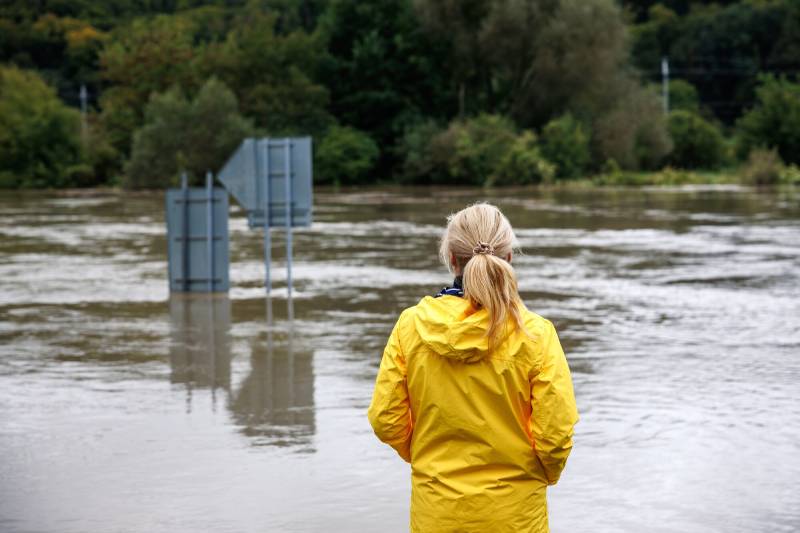
Protecting mothers and babies from the health impacts of heat, fire and floods

Discovery into how breastfeeding impacts immunity in babies

Bold vision to transform the health and wellbeing of children in Australia

Generation Victoria (GenV) Pre-Budget Submission – 2023-2024

GenV benefits from two MRFF infrastructure grants
Study tracking a generation’s health still open to eligible families as it enters new phase

World-first child health study recruits 100,000 participants
World-first child health study reaches recruitment milestone

GenV's incredible potential to improve health and wellbeing for all families

Share //