Pioneering safer radiotherapy for children with cancer
Research area: Stem Cell Medicine > Neuro-oncology
Using technology to study the harmful side effects of radiotherapy and advance cancer care for children
This research is seeking funding.
This research is seeking funding.
The challenge: Making radiotherapy safer for children
Radiotherapy is a vital and often life-saving treatment for childhood cancer, with around 1 in 3 children receiving it as part of their care. While highly effective at slowing or stopping cancer growth, radiation can also damage healthy tissue surrounding the tumour.
This unintended impact can lead to serious and sometimes permanent side effects. In fact, survivours of childhood cancer who have undergone radiotherapy are up to 20 times more likely to develop a second cancer later in life.
There is an urgent need for research that improves our understanding of radiotherapy side effects and identifies ways to better protect children, both during treatment and throughout survivorship.
About the study: Advancing radiotherapy research in the lab
This project uses a highly advanced laboratory irradiator to safely and precisely model radiotherapy in a controlled research environment. This technology allows researchers to expose cancer cells, normal tissues, and blood and marrow samples to carefully measured doses of radiation.
By recreating how radiotherapy works in the body, we can:
- Study how radiation kills cancer cells
- Identify ways to improve the effectiveness of radiotherapy
- Understand how and why healthy cells are damaged
- Develop strategies to reduce off-target effects and long-term harm.
- Innovative models to improve cancer treatment outcomes
Using patient-derived cancer cells and advanced stem cell-derived organoid models, our team can closely replicate how tumours and healthy tissues respond to treatment.
This approach allows us to:
- Test different radiation doses and treatment schedules
- Explore how tumours respond under varying conditions
- Investigate combination therapies, including drugs that may enhance radiotherapy effectiveness
- Identify treatments that protect healthy cells from damage.
By modelling real patient biology, we can generate more accurate, clinically relevant insights to guide safer cancer treatment.
Towards safer, more effective childhood cancer therapies
This research is a critical step toward improving outcomes for children with cancer. By better understanding the balance between treatment effectiveness and long-term risk, we aim to make radiotherapy both safer and more precise.
The addition of a laboratory irradiator strengthens our ability to deliver world-class childhood cancer research, supporting the development of next-generation therapies that reduce harm while maintaining life-saving benefits.
Why this research matters
By leveraging MCRI’s world-leading expertise in stem cell modelling and access to rare childhood tumour samples, this project will deliver urgently needed evidence to:
- Reduce long-term side effects of cancer treatment
- Lower the risk of secondary cancers
- Improve quality of life for survivors
- Advance safer radiotherapy for children worldwide
Research team
Professor David Eisenstat, Group leader, Neuro-Oncology, MCRI
Funding and collaborations
This research is seeking funding.
This study is in collaboration with:
- Children’s Cancer Foundation
- My Room Children’s Cancer Charity
- Royal Children’s Hospital Foundation
Contact us
For more information on this research, please contact us.
Professor David Eisenstat, Group leader, Neuro-Oncology
Email:
show email address
Cancer newsroom
Immunocompromised Infections
Safeguarding children undergoing cancer treatments
Protecting children receiving cancer treatment from infections
Dr Sohinee Sarkar receives Strategic Research Fund Fellowship

AUS-POND: Australian Paediatric Pharmacogenetics Oncology Network for Drug Safety
NHMRC Ideas Grants to advance childhood treatments and diagnoses
Prof Kathryn North AC delivers inaugural keynote address for Marie Krogh Prize
Alleviating the cruel toll of cancer treatment
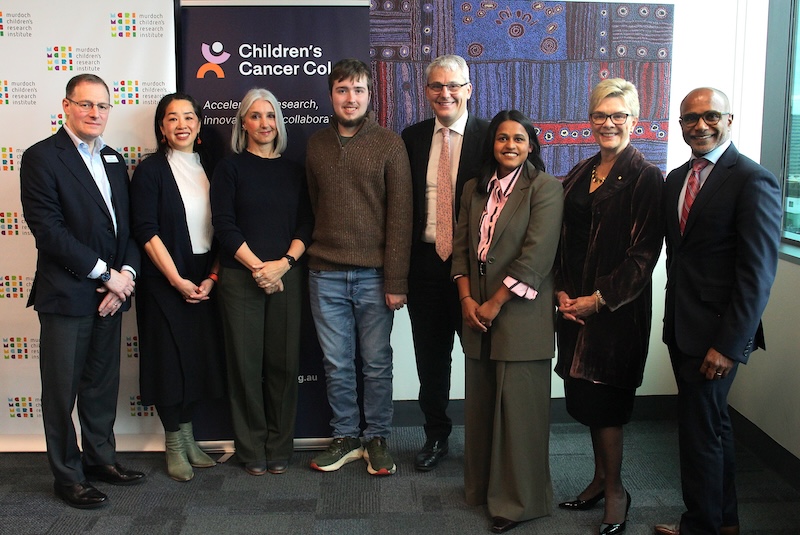
Pioneering project to provide safer childhood cancer treatments
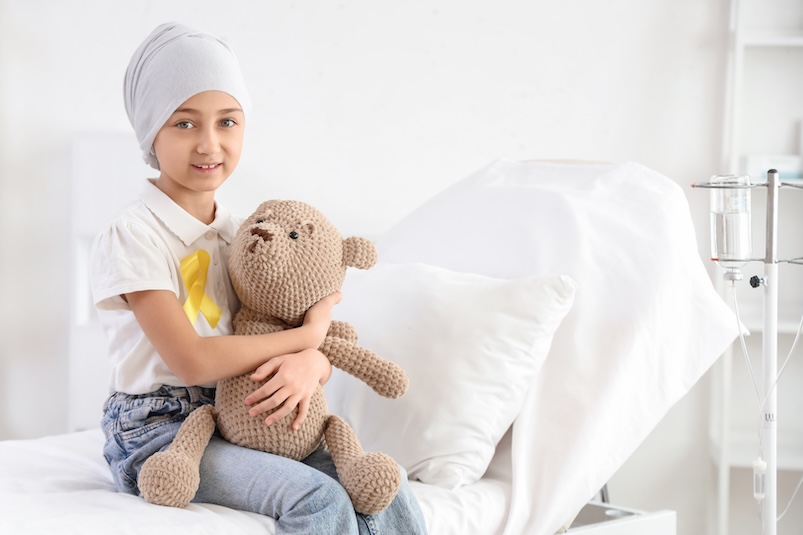
MRFF grant to A/Prof Rachel Conyers to improve cancer treatment
WEARABLES
New software tool could help better understand childhood cancer
Share //