FOCUS: Fertility Options for Children and Young Survivors
- Project status: Active
Research area: Clinical Sciences > Brain and Mind > Psycho-Oncology Research

Meeting fertility information needs of young cancer survivors and their parents
FOCUS is a double blind randomised controlled trial of a paediatric fertility preservation decision aid in parents and child adolescents and young adults (CAYA) cancer survivors.
Find out how to participate below.
FOCUS is a double blind randomised controlled trial of a paediatric fertility preservation decision aid in parents and child adolescents and young adults (CAYA) cancer survivors.
Find out how to participate below.
About the study
Thank you for your interest in this study. We are inviting young adults and parents to take part in a project that is aiming to develop useful web-based information for young people who received cancer treatment when they were under 25 years of age, on reproductive health after treatment (puberty and development, fertility and sexual health).
We want to understand whether the information we’ve developed helps young people make informed decision about their reproductive health.
Focus of our research
Some cancer treatments can affect hormones and reduce fertility, but the effect is variable. Many survivors are able to have natural pregnancies but others might be advised to freeze reproductive tissue or eggs or sperm in an attempt to try to protect fertility.
Decisions about fertility may arise at all stages of the treatment journey (diagnosis, during treatment or after treatment). After treatment other questions may arise about development, hormone therapy, safe respectful relationships, sexual health, how to evaluate fertility and options for achieving parenthood.
Purpose of our study
In the FOCUS study, we will assess if the fertility information resources we provide are effective at meeting young people’s information needs and helping them to make informed decisions about their reproductive health.
Information for participants
Who is eligible to participate?
- Parents/guardians of child adolescent and young adults (CAYA) survivors who were under 25 years when diagnosed with cancer.
- Cancer survivors aged 16 years or over who received cancer treatment at any time during their childhood.
Stages of the program
There are three stages of the program. If you agree to take part in this study, you will be asked to review fertility information resources and complete three sets of online questionnaires at different time points.
The three stages are:
- First survey: Asks questions about your cultural and social background and other information related to you/ your child’s cancer treatment and experience. This needs to be completed before you review the fertility information resource.
- Second survey: This will assess the level of your unmet fertility information needs, as well as your satisfaction with the fertility resource information provided. This should be completed within eight weeks of reviewing the fertility information resource provided to you.
- Final survey: We will ask again about your fertility information needs and how helpful the information was. You’ll complete this six months after reviewing the fertility information resource.
You can complete these surveys directly from your phone or electronic device, and each survey will take approximately 40 minutes to complete. You may take as much time as you need to review the information resource provided to you.
You will be paid for your time with a $30 gift voucher at the completion of the three stages of the study period.
How to get involved?
Before registering your interest, please read our participant information sheets below:
- For cancer survivors:
 Participant Information infosheet289.38 KB
 - Parents of a cancer survivor: Parent Participant infosheet287.44 KB
If you would like to participate, please complete the expression of interest below
Complete the expression of interest
Contact us
Associate Professor Yasmin Jayasinghe
Principal Investigator
Email: [email protected]
Phone:
show phone number
Get the latest
Immunocompromised Infections
Pioneering safer radiotherapy for children with cancer
Safeguarding children undergoing cancer treatments
Protecting children receiving cancer treatment from infections
Dr Sohinee Sarkar receives Strategic Research Fund Fellowship

AUS-POND: Australian Paediatric Pharmacogenetics Oncology Network for Drug Safety
NHMRC Ideas Grants to advance childhood treatments and diagnoses
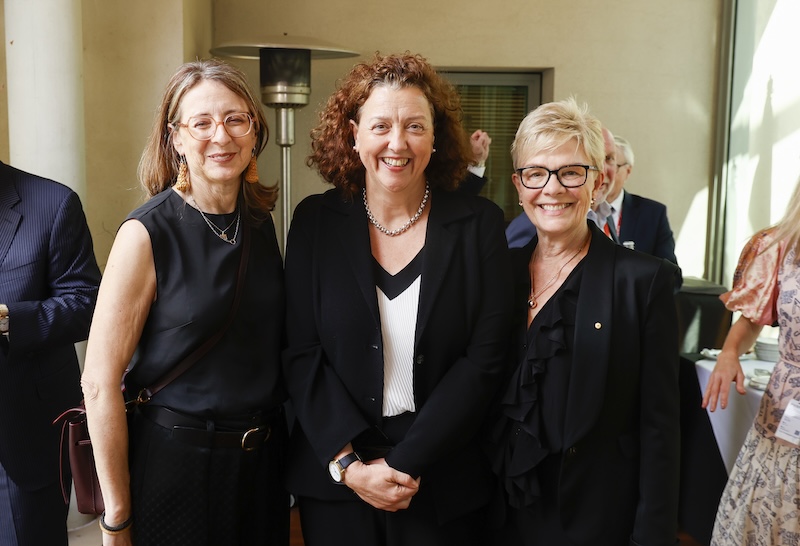
Prof Kathryn North AC delivers inaugural keynote address for Marie Krogh Prize
Alleviating the cruel toll of cancer treatment
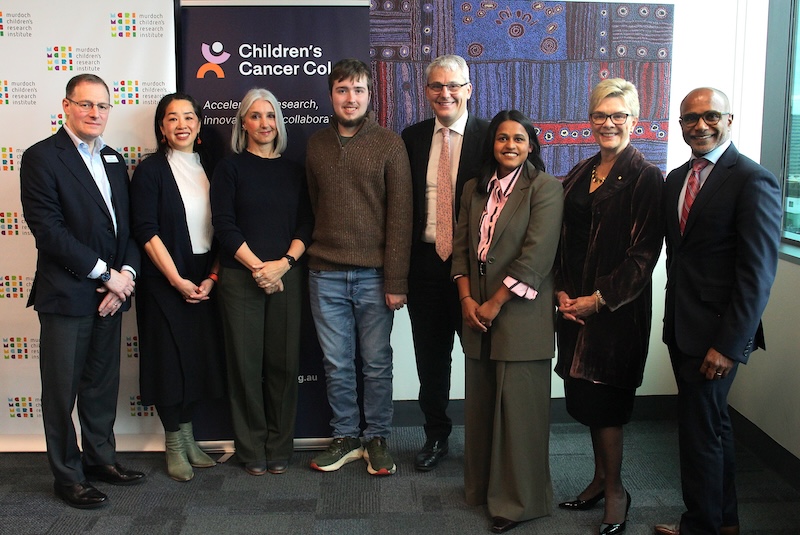
Pioneering project to provide safer childhood cancer treatments
MRFF grant to A/Prof Rachel Conyers to improve cancer treatment

WEARABLES
Share //