FREE FX study
- Project status: Active
Research area: Genomic Medicine > Diagnosis and Development
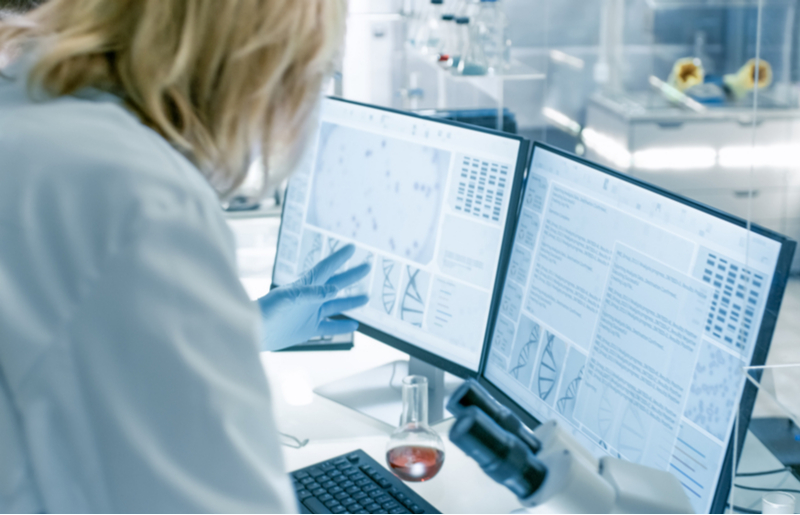
Developing new tests for X-linked and chromosome 15 imprinting disorders
To improve outcomes for children and their families through earlier diagnosis.
The aim of this research is to study the methylation patterns of specific genes in individuals who have a genetic condition.
We are interested in looking at methylation changes that may be unique to that condition to see if we can improve diagnostic testing.
To improve outcomes for children and their families through earlier diagnosis.
The aim of this research is to study the methylation patterns of specific genes in individuals who have a genetic condition.
We are interested in looking at methylation...
To improve outcomes for children and their families through earlier diagnosis.
The aim of this research is to study the methylation patterns of specific genes in individuals who have a genetic condition.
We are interested in looking at methylation changes that may be unique to that condition to see if we can improve diagnostic testing.
Conditions studied
An example of some of the rare genetic conditions included in this study are:
- Prader-Willi (PWS), Angelman (AS) and Chromosome 15q Duplication (Dup15q) syndromes are genetic conditions that cause varying degrees of intellectual disability and behavioural problems. These syndromes are distinct neurodevelopmental disorders caused by alterations in genes located in a specific region of chromosome 15 (called 15q).
- Myotonic dystrophy Type 1 (DM1) is an inherited muscle disorder. DM1 is caused by a change in the DMPK gene that results in muscle weakness that can present in childhood or adult life.
- Chromosome X linked disorders are genetic conditions that are caused by variations found on the X chromosome. There are many chromosome X linked disorders that range in their severity and the symptoms experienced by an affected individual. Males are usually affected more severely than females.
- Beckwith-Wiedemann (BWS) and Silver-Russell (SRS) syndrome are conditions that can affect growth. They are caused by methylation changes on chromosomes 7 and 11. BWS causes over-growth and SRS causes undergrowth.
Methodology and outcomes
In this study we will test several new highly accurate laboratory methods, which can tell us about an affected person’s level of methylation and activity of the genes associated with the genetic conditions focused on in this study. We want to find out how early after birth these tests can be used to predict the symptoms associated with each of these conditions.
We hope that this research will lead to earlier diagnosis and treatment of these conditions.
Recruitment and assessment centres
We hope to recruit approximately 600 individuals into this study aged from six months to 45 years. All families that take part will have at least one person with one of the rare genetic conditions included in this study. We expect the project to finish at the end of 2027.
The primary recruitment and assessment centres are located at:
- The Royal Children’s Hospital, Melbourne
- Hunter Genetics, NSW, Australia
Collaboration and funding
This collaborative study involves:
- Murdoch Children's Research Institute (MCRI)
- The University of Melbourne
- Hunter Genetics
- INTA Fragile X Centre in Chile
- Monash Health
This research is supported by:
- Victorian Government’s Operational Infrastructure Support Program
- National Health and Medical Research Council (NHMRC)
- Foundation for Prader-Willi Research, USA
- Murdoch Children's Research Institute (MCRI)
Contact us
Dr David Godler, Group Leader / Principal Research Fellow
Phone:
show phone number
Email:
show email address
Get the latest information

Prof Daniel MacArthur receives MRFF grant for rare disease research
New tool key to diagnosis
Genomic tool highly effective at detecting rare disease diagnoses
Bioinformatics

Automated reanalysis in rare disease
Life with an ultra-rare condition
Associate Professor Katie Ayers awarded Rebecca Cooper Fellowship
NHMRC Ideas Grants to advance childhood treatments and diagnoses
Newborn genomic screening enables more lifesaving diagnoses
Share //