Biomedical Ethics research
As thought-leaders in biomedical ethics we promote the ethical development and delivery of precision child health
Today, children and adolescents increasingly face complex healthcare decisions related to genomic sequencing, emerging therapies, infectious diseases, and the rapid expansion of artificial intelligence (AI) in medical care.
These developments raise profound ethical implications, including:
- Informed consent
- Privacy
- Equity of access
- Parental decision-making
- Long-term impacts on children’s welfare and autonomy
Our research focus
Our research group explores critical ethical questions at the intersection of advanced healthcare technologies, paediatric medicine, and reproductive health.
The overarching challenge we address is ensuring the ethical integration of innovative medical interventions that significantly affect children, adolescents, and their families.
Our research goal
We aim to improve healthcare experiences and outcomes for children and adolescents by ensuring that emerging technologies and treatments are used responsibly. Our work seeks to protect and advance the welfare, autonomy, and rights of young people.
Our methodologies
Our team uses a combination of:
- Qualitative research
- Quantitative research
- Philosophical analysis
Through rigorous investigation of the ethical dimensions of paediatric and reproductive medicine, our research:
- Informs policy
- Guides clinical practice
- Promotes ethically sound decision-making frameworks
Our research team
We bring together a multidisciplinary team of social scientists, healthcare professionals, legal researchers and health economists to carry out an innovative programme of research.
This work analyses the ethical, legal, social and economic issues raised by genomic sequencing in children.
Contact us
Dr Christopher Gyngell, Team Leader/Honorary Fellow Manager
Phone:
show phone number
Email:
show email address
Group Leaders

Team Leaders


Group Members





Our projects

Examining the meaning of trust in the use of genomic data: Australian public perspectives
This Masters project is a small part of the LINEAGE study, a research consortium working on emerging ethical, legal and social issues in the governance of genomic information.
Personal genomic information is valuable data. ‘Trust’ is therefore crucial for the public to provide this information and consent to its use. This qualitative study aims to explore how the Australian public conceptualise trust in relation to their genomic data.
Read more...
Japan Scholar Program
The Japan Scholar Program is a collaboration between the Murdoch Children’s Research Institute (MCRI) and the Uehiro Foundation on Ethics and Education.
The program aims to enhance the research profile and global visibility of promising ethics graduate students and early-career researchers in Japan. It promotes ongoing joint research projects between scholars at MCRI and Japanese universities.
Read more...
Lineage Study
The Lineage Study is an ambitious five-year project (2022–2027) dedicated to developing a framework for the ethical governance of genomic datasets in Australia.
The project brings together bioethics scholars, legal academics, social scientists, clinical geneticists, genomic researchers, patients, First Nations scholars, and other key stakeholders.
Read more...Funding
Thank you to our supporters:
- The Uehiro Foundation on Ethics and Education
- Medical Research Future Fund
- Australian Research Council
Collaborations
We partner with leading institutions worldwide, including:
- The University of Melbourne
- University of Sydney
- Children's Bioethics Centre
- Gen-V
- ReGen
- National University of Singapore
- Oxford Wellcome Centre of Ethics
Featured publications
Visscher PM, Gyngell C, Yengo L, Savulescu J (2025). Heritable polygenic editing: the next frontier in genomic medicine? Nature, 637 (8046), p637 - 645.
Gyngell, C., Munsie, M., Fujita, M., Thiessen, C., Savulescu, J., & Konstantinov, I. (2024). Ethical analysis of the first porcine cardiac xenotransplantation. Journal of Medical Ethics, 50, p363-367.
Lynch F, Best S, Gaff C, Downie L, Archibald AD, Gyngell C, Goranitis I, Peters R, Savulescu J, Lunke S, Stark Z, Vears DF (2024). Australian public perspectives on genomic newborn screening: which conditions should be included? Hum Genomics.
Gyngell C, Lynch F, Sawai T, Savulescu J. Stem cell-derived embryo models: moral advance or moral obfuscation? (2024) J Med Ethics.
Coghlan S, Gyngell C, Vears DF (2024). Ethics of artificial intelligence in prenatal and pediatric genomic medicine. J Community Genet. 15 (1), pp13-24.
Gyngell, C., Payne, J., & Coghill, D. (2023). Conceptual clarity needed in ADHD diagnosis and treatment. The Lancet Psychiatry, 10 (9), p658-660.
Kataoka, M., Gyngell, C., Savulescu, J., & Sawai, T. (2023). The importance of accurate representation of human brain organoid research. Trends in Biotechnology.
Lynch F, Prentice T, Gillam L, Stark Z, Gyngell C (2022). Rapid Genome Sequencing: Consent for New Technologies in the Neonatal Intensive Care Context. Pediatrics. 150(6).e2022058222
Savulescu J, Gyngell C, Kahane G. Collective Reflective Equilibrium in Practice (CREP) and controversial novel technologies (2021). Bioethics. 35 (7) :652-663.
Gyngell, C., Newson, A., Wilkinson, D., Stark, Z., & Savulescu, J. (2019). Rapid challenges: ethics and genomic neonatal intensive care. Pediatrics, 143(Sup1), 14-21.
Latest news
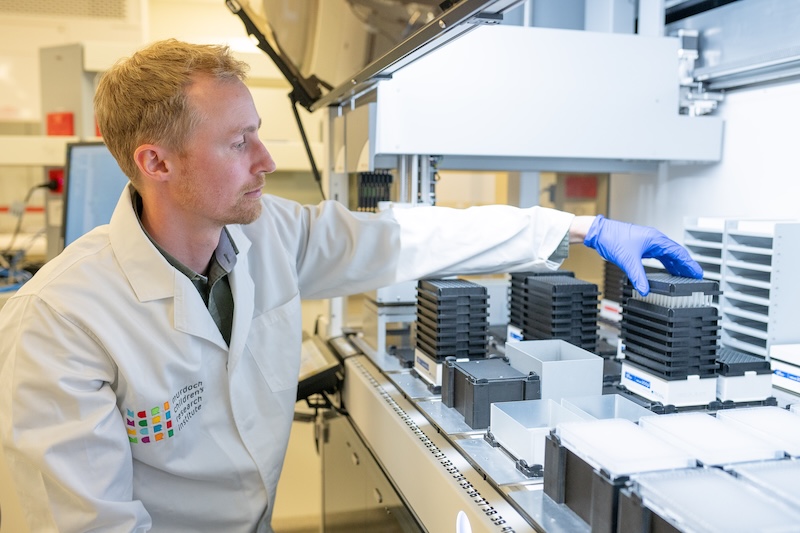
MCRI receives stem cell medicine grant to advance drug discovery

Introducing our 2025 Annual Report
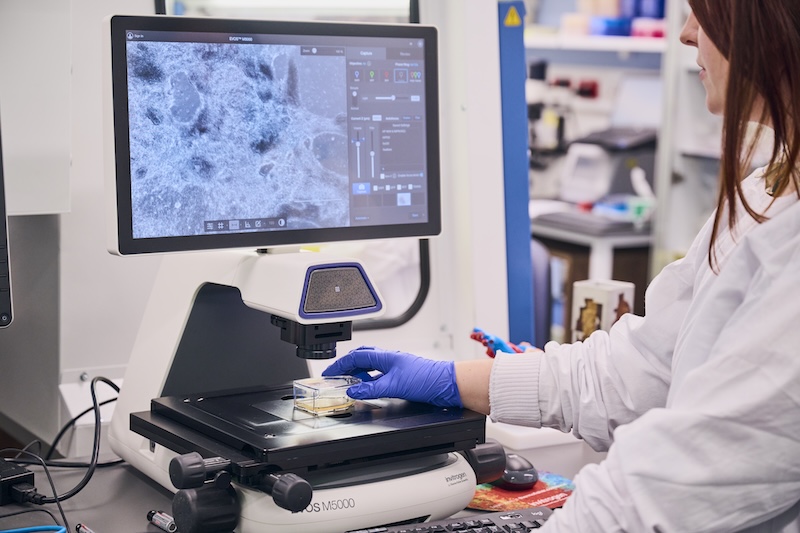
Children at centre of stem cell research decisions with MRFF grant

Vale Patricia Ilhan

Genomic tool highly effective at detecting rare disease diagnoses

Social media use linked to poorer mental health in early adolescence

Safety concerns biggest barrier to vaccination

Accelerating recovery for children with concussion
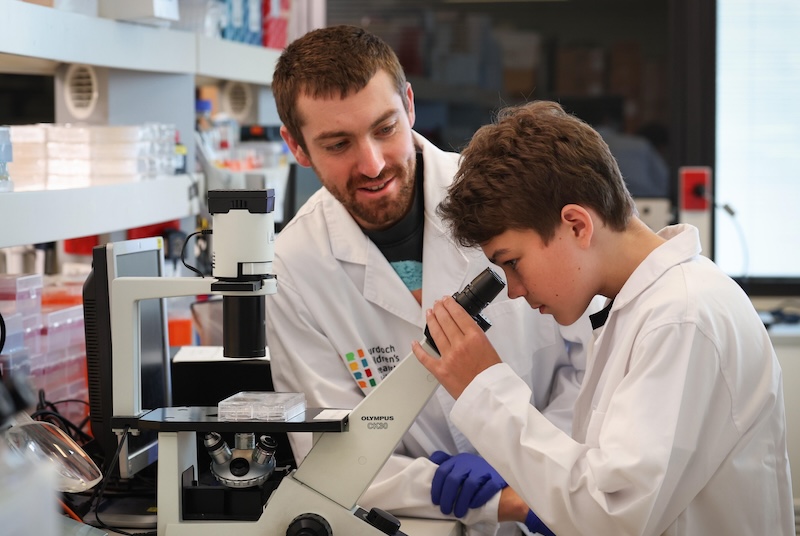
Early lung damage mapped in children with cystic fibrosis

New network to make access to cutting-edge trials easier

MCRI’s 40th Anniversary Gala celebrates four decades of discovery