
Emergency Research
Improving emergency care for children through research and national and international collaboration.
On average, children visit Emergency Departments (EDs) for acute medical care once a year, representing a large interaction with our health system.
Emergency Department presentations are often critical, with some children being at risk of death or substantial disability if not managed appropriately. Therefore, providing evidence-based care for emergency management is essential.
Our research focus
Our research focuses on areas where there is:
- a lack of evidence
- incomplete translation of existing evidence to practice
- limited policy development and dissemination
For example:
- High-volume conditions: e.g., head and cervical spine injuries, bronchiolitis.
- Life-threatening conditions: e.g., convulsive status epilepticus, severe asthma - optimum care is yet to be established,
- Practice change implementation: defining th emost suitable methodology, especially in both tertiary and non-tertiary EDs across Australia and New Zealand.
Where the research happens
Research is often conducted across all three Melbourne Children’s Campus partners:
- The Royal Children's Hospital (RCH), Melbourne
- Murdoch Children’s Research Institute (MCRI)
- The University of Melbourne - Departments of Paediatrics and Critical Care
Our primary site is the Emergency Department at RCH as it:
- Treats around 90,000 children annually and is a paediatric tertiary referral
- Acts as Victoria’s paediatric trauma centre
Collaborations
Most of our projects are multicentre and conducted through the Paediatric Research in Emergency Departments International Collaborative (PREDICT) network of Australia and New Zealand.
The research group is also part of the International Paediatric Emergency Research Networks (PERN), which combines the efforts of research networks on several continents to investigate global acute care questions
Join our research efforts
We welcome:
- Research fellows and visiting international researchers
- Trainee clinicians or consultants in:
- Paediatrics
- Emergency medicine
- Paediatric emergency medicine
- Nursing
Researchers can:
- Conduct projects alongside their clinical training.
- Work in the Emergency Department at The Royal Children’s Hospital.
- Spend dedicated time on campus to focus on emergency-related research.
- Collaborate remotely from their home institutions, with affiliations through:
- Murdoch Children’s Research Institute (MCRI)
- The University of Melbourne
Our research community includes global contributors from:
- Australia, New Zealand, Canada, United Kingdom, Ireland
- Thailand, Switzerland, United States, Costa Rica
- Germany, Indonesia, Singapore
Research education opportunities
Short courses are available in:
- Ethics
- Biostatistics
- Epidemiology
- Health economics
These are offered through:
- Clinical Epidemiology and Biostatistics Unit (CEBU)
- Clinical Research Development Office (CRDO)
- Other departments at MCRI and the University of Melbourne
Melbourne Children’s Campus research pathways
Clinical appointment as a junior trainee at the Emergency Department (ED) at The Royal Children’s Hospital.
The major experience is clinical and research is a smaller part of the training experience. Clinical work as a full time trainee is intense, and it can be challenging to conduct meaningful research.
Trainees are encouraged to take part in research projects conducted in the emergency department (EDs). Clinical appointments can also be part time when it is possible to have increased exposure to research and research education.
Overseas fellows can come self-funded (or funded by their home institution) or they can apply for a paid hospital appointment via the ED of The Royal Children’s Hospital.
Research appointment at MCRI
This requires an appointment for at least six months and a well-developed plan for a project to complete. For shorter research appointments, the visits need to be planned well ahead of time to ensure protocols and ethics applications are prepared and submitted prior to arrival.
Higher degree appointment with the University of Melbourne
The focus is on the completion of a PhD or MD degree (called DMedSc – Doctor of Medical Science at the University of Melbourne) or a Masters degree (MPhil).
On average we have about five PhD/MD students in the department at any one time. For non-resident students, higher degrees in Australia can be costly.
More information
- Centre for Research Excellence in Paediatric Emergency Medicine
- Paediatric Research in Emergency Departments International Collaborative (PREDICT)
Contact us
For further information, prospective clinicians and researchers wanting to conduct research within our group, please contact:
Marian Chandler
Administrative Assistant
Email:
show email address
Group Leaders

Team Leaders


Group Members

















Our projects

Biomarkers in Sepsis (BASIS)
Biomarker discovery, verification, and validation for early sepsis diagnosis and risk stratification in children.
Read more...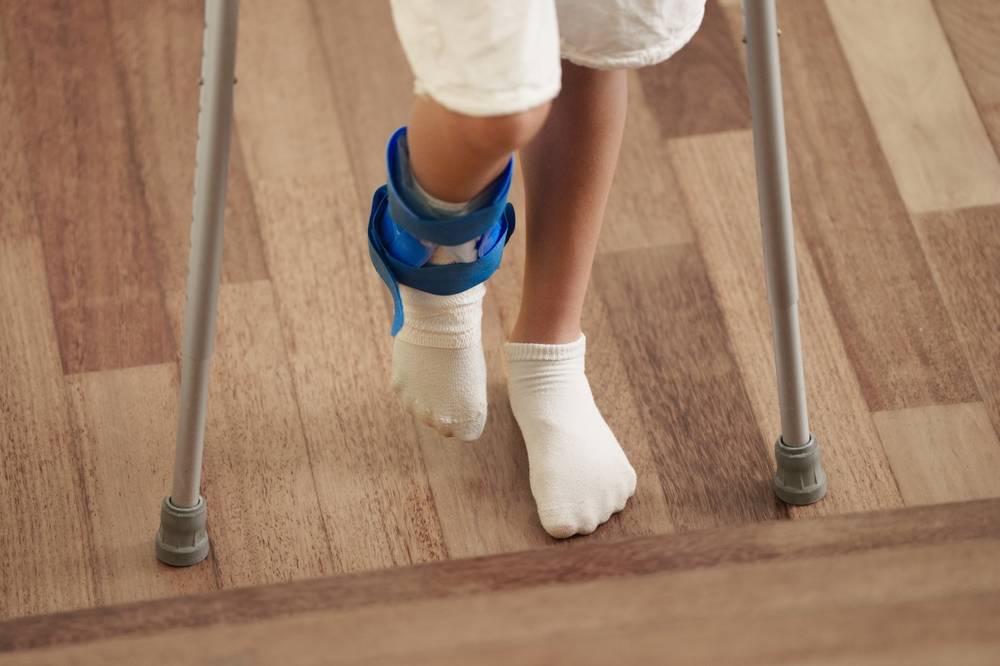
LIMP Study
Limb pain in children is common. While often harmless, it can sometimes be caused by serious conditions like infections, cancer, or rheumatic fever.
We aim to imrprove emergency care for children with acute limp.
Read more...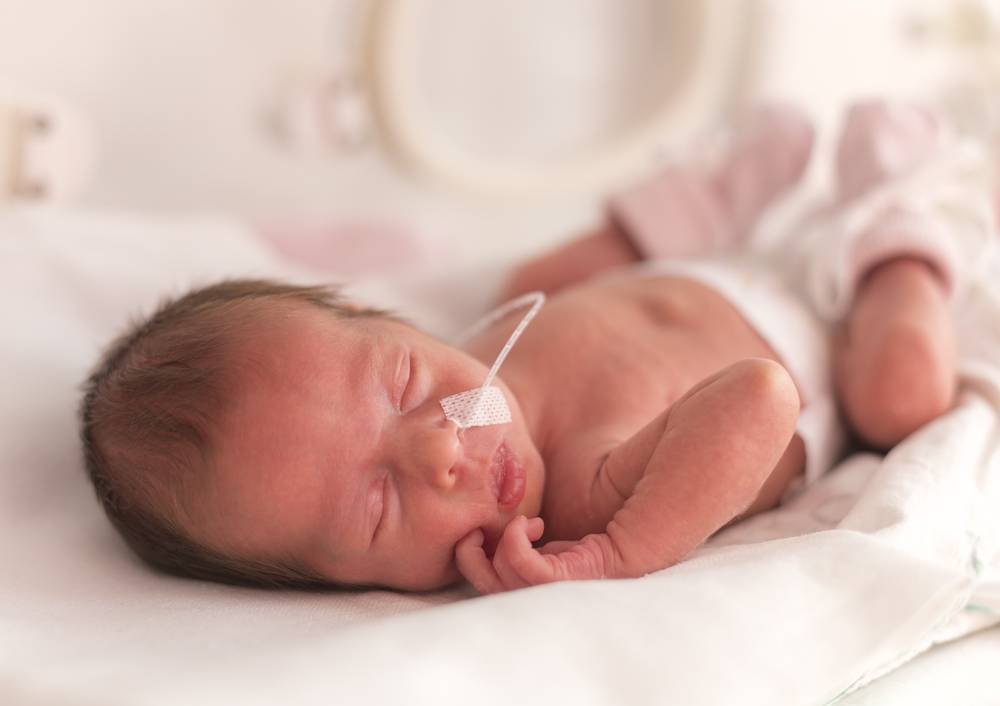
Nasogastric Tube Insertion Study – a randomised controlled trial
This is a randomised controlled trial (RCT) of interventions to reduce the pain and distress of nasogastric tube insertion in young children.
Read more...
Paediatric Adaptive Sepsis Platform Trial (PASSPORT)
This study evaluates multiple treatments for sepsis under a single platform using adaptive methods. This means that treatments can be adjusted over time based on the data collected and ensures all study participants receive the best and most evidence-based care.
Read more...
PEAChY-M Study
This clinical drug trial aims to determine whether intramuscular (IM) olanzapine is more effective than IM droperidol for the management of acute severe behavioural disturbance (ASBD) in children and adolescents presenting to Emergency Departments (EDs).
Read more...
PEAChY-O Study
This study is complete.
This clinical drug trial aims to determine whether oral olanzapine is more effective than oral diazepam for the management of acute severe behavioural disturbance (ASBD) in children and adolescents presenting to Emergency Departments (EDs).
Read more...
PRoMPT BOLUS Australia and New Zealand
PRoMPT BOLUS is a large clinical trial that will enrol over 8,000 children with sepsis across the United States, Canada, Australia, and New Zealand.
Read more...
Regional and Rural Translation – Bronchiolitis (RART-Bronch) Study
The RART-Bronch study aims to improve bronchiolitis care and health system effectiveness in regional and rural hospitals across Australia.
This large-scale, interdisciplinary initiative will develop, implement, and evaluate a co-designed online platform to support sustainable and scalable improvements in bronchiolitis care.
Read more...
SENTINEL International: Sepsis Epidemiology in Paediatric Acute Care International Study
This international observational study will provide a landscape analysis of paediatric sepsis across countries with access to different healthcare resources.
Read more...
SENTINEL Study: Sepsis Epidemiology in Australian and New Zealand Children
The SENTINEL Study aims to describe the epidemiology of hospitalised children treated for sepsis in Australia and New Zealand.
Read more...
STAR Study
The Steroids in Preschool Asthma Reduction (STAR) study aims to determine whether a shorter course of oral steroids delivers comparable clinical outcomes to the current standard treatment.
The study compares respiratory outcomes in preschool children with wheeze treated with one day versus three days of oral steroid medication.
Read more...UTI CHOICE: Urinary tract infection
Our understanding of UTIs in children is limited, and it is not clear which children require intravenous antibiotics or need to be treated in hospital. As part of Dr Barry Scanlon's PhD thesis, and in collaboration with HITH and the Infectious Diseases Unit at The Royal Children's Hospital, we are conducting a series of studies to determine which children with UTI are at increased risk of adverse outcomes.
This project is led by Dr Laila Ibrahim, Associate Professor Penelope Bryant and Professor Franz Babl.
Concussion Essentials study
One-third of children with concussion have post-concussive symptoms beyond four weeks after a head injury. We are conducting a single centre randomised controlled trial (RCT) comparing whether an individualised approach to treatment (including education, physiotherapy, and psychology), improves outcomes and recovery time for young people following a concussion compared to usual care.
This is a joint research project with neuropsychology, neurosurgery, sports medicine, and rehabilitation medicine and is funded by the Medical Research Future Fund (MRFF). It is led by Professors Vicki Anderson, Gavin Davis and Franz Babl.
More on Concussion Essesntials
Brain attacks and stroke
Stroke in children can cause long-term disabilities and can be fatal, yet is often only diagnosed after lengthy delays. Together with the Department of Neurology and funded by The Royal Children’s Hospital Foundation, we aim to better define and identify brain attacks (acute neurological changes), including strokes. The group has published multiple papers in Stroke, Neurology, and Annals of Emergency Medicine.
This project is led by Associate Professor Mark Mackay and Professor Franz Babl.
Bronchiolitis knowledge translation study and sustainability studies
Based on a series of PREDICT studies and a detailed literature review, PREDICT developed a bi-national guideline for bronchiolitis management. The guideline is endorsed by many relevant professional bodies. A key recommendation was to reduce interventions proven to be of no benefit in bronchiolitis, such as use of bronchodilators, steroids, antibiotics and X-rays.
A subsequent cluster randomised trial at 26 PREDICT sites funded by an NHMRC Centre of Research Excellence grant explored two different strategies to reduce such care of no benefit.
This study is led by Ms Libby Haskell, Dr Emma Tavender and Professors Stuart Dalziel, Ed Oakley and Franz Babl. It is published in JAMA Pediatrics (USA).
As part of Ms Tory Ramsden's PhD, we are now conducting a follow up study to assess how to sustain changes in care at intervention and control sites. This is led by Associate Professor Emma Tavender and Professor Franz Babl.
PARIS I, II and III: Paediatric Acute Respiratory Intervention study - High-flow studies
The role of nasal cannula high-flow therapy in children with respiratory failure is evolving. In collaboration with the University of Queensland, the Wesley Research Institute and the PREDICT network, we have conducted a series of multicentre randomised controlled trials to clarify the role of high-flow nasal therapy.
PARIS I on high flow in bronchiolitis has been published in the New England Journal of Medicine. PARIS II on high flow use in asthma and pneumonia has been published in JAMA. Further projects are ongoing.
These studies are funded by the National Health and Medical Research Council (NHMRC) and led by Associate Professor Donna Franklin, and Professors Andreas Schibler, Ed Oakley and Franz Babl.
Asthma outcomes study
It is currently unclear how to best treat acute severe asthma in children and care varies widely. Led by Monash University in a collaboration between PREDICT and PERN, we will explore what the key outcomes in studies in acute severe asthma should be.
This project is part of Professor Simon Craig’s PhD thesis and will clarify key parameters for future interventional studies. It is led by Professors Simon Craig and Franz Babl.
Million Minds
There has been an alarming increase in the number of children and adolescents presenting to emergency departments in mental health crises. The MRFF-funded Million Minds project is conducting studies to work out why this is happening and how we can improve care across the PREDICT network. As part of Dr Elyssia Bourke’s PhD thesis, the study includes multicentre randomised medication trials for oral and intramuscular drugs for children with acute severe behavioural disturbance.
Million Minds is led by Professors Simon Craig and Franz Babl.
SONIC: Study of Neck Injury Imaging in Children
It is unclear under what circumstances children should undergo neck imaging in the emergency department, especially with increasing concerns about radiation-induced cancer and the discomfort and delays of immobilisation prior to imaging.
As part of Dr Natalie Phillips’ PhD project, this multicentre PREDICT study aims to investigate the accuracy of clinical decision rules to detect neck injuries in children. This project is conducted in collaboration with Dr Julie Leonard from Nationwide Children's Hospital, USA.
It is funded by the Medical Research Future Fund (MRFF) and led by Dr Natalie Phillips and Professor Franz Babl.
PICNICC: Predicting Infectious Complications in Children with Cancer
Children with cancer often present with fever while their white cell counts are low (neutropenia). While they are traditionally admitted to the hospital on intravenous antibiotics, children at low risk of serious bacterial infection could be treated at home.
In collaboration with the oncology and infectious disease service, the Peter MacCallum Cancer Centre and Victorian Comprehensive Cancer Centre, we are conducting a series of studies at PREDICT hospitals to risk stratify neutropenic febrile children and implement low-risk pathways for home care.
PICNICC is funded by the Medical Research Future Fund (MRFF) and the National Health and Medical Research Council (NHMRC). It is led by Associate Professor Gabrielle Haeusler and Professor Franz Babl.
PACS: Australian Paediatric Acute Code Stroke study
Each year, up to 600 Australian children suffer a stroke. Yet care for these children is often delayed and they don’t have access to treatments available in adults with stroke. In collaboration with the Stroke Foundation, this project aims to improve the acute diagnosis of stroke in children and increase the number of children receiving emergency stroke treatment.
The PACS study is funded by the Medical Research Future Fund (MRFF) and led by Associate Professor Mark Mackay and Professor Franz Babl.
Funding
Thank you to our supporters.
- National Health and Medical Research Council (NHMRC)
- Medical Research Futures Fund (MRFF)
- Health Research Council of New Zealand
Additional funding
- The Royal Children's Hospital Foundation
- Murdoch Children's Research Institute
- Emergency Medicine Foundation
- Stroke Foundation
Collaborations
We collaborate with leading institutions worldwide, including:
Campus
- Neuropsychology: Professor Vicki Anderson, Dr Louise Crowe
- Neurology: Associate Professor Mark Mackay
- General Medicine/Hospital in the Home: Dr Laila Ibrahim, Dr Sarah McNab, Associate Professor Penelope Bryant
- Intensive Care: Professor Warwick Butt, Dr Ben Gelbart
- Anaesthesia/Pain Service: Professor Andrew Davidson, Associate Professor Greta Palmer
- Health Economics Group, Centre for Health Policy, University of Melbourne: Professor Kim Dalziel
- Community Health Services Research: Professor Harriet Hiscock
- Clinical Infections/Diseases: A/Prof Gabrielle Haeusler
State
- Neurosurgery, Austin Hospital: Professor Gavin Davis
- Melbourne Medical School, University of Melbourne: Professor Leonid Churilov
- Emergency Department, Monash University: Professor Simon Craig, Dr Adam West
- Health Services Research and Implementation Science, Peter MacCallum Cancer Centre: Professor Karin Thursky
National
- Paediatric Critical Care Research Group, Wesley Research Institute: Dr Donna Franklin, Professor Andreas Schibler
- Paediatric Research in Emergency Departments International Collaborative (PREDICT)
International
- International Pediatric Emergency Research Networks (PERN)
- International Committee for the Advancement of Procedural Sedation (ICAPS)
- International Federation for Emergency Medicine (IFEM)
- Starship Children's Hospital, New Zealand: Professor Stuart Dalziel
- Hospital for Sick Children, Canada; Dr Suzanne Schuh
- Alberta Health Services, Canada: Dr Stephen Freedman
- St Justine Children's Hospital, Montreal, Canada: Dr Evelyn Trottier
- University of Padua, Italy: Associate Professor Silvia Bressan
- Children’s National Hospital, Washington DC: Prof Nate Kupperman
- Nationwide Children’s Hospital, Columbus, USA: Dr Julie Leonard
- Children’s Hospital of Philadelphia, USA: Dr Fran Balamuth
- Nemours Children’s Hospital, Wilmington, USA: Dr Scott Weiss
- Cork University Hospital, Ireland: Dr Emma Fauteux-Lamarre
- Hospital Nacional de Ninos, Costa Rica: Dr Adriana Yock-Corrales
- Hadassah Hebrew University Medical Center, Jerusalem, Israel: Professor Itay Shavit
- KK Children’s Hospital, Singapore: Clin Assoc Prof Chong Shu-Ling
Featured publications
Predicting paediatric pneumonia severity in the emergency department: a multinational prospective cohort study of the Pediatric Emergency Research Network Florin TA, Tancredi DJ, Ambroggio L, Babl FE, Dalziel SR, Eckerle M, Mintegi S, Neuman MI, Plint AC, Simon NJ, Kuppermann N; Pediatric Emergency Research Network (PERN) Pneumonia Study Group. Lancet Child Adolesc Health. 2025 Jun;9(6):383-392. doi: 10.1016/S2352-4642(25)00094-X. PMID: 40379430.
Effect of Early High-Flow Nasal Oxygen vs Standard Oxygen Therapy on Length of Hospital Stay in Hospitalized Children With Acute Hypoxemic Respiratory Failure: The PARIS-2 Randomized Clinical Trial. Franklin D, Babl FE, George S, Oakley E, Borland ML, Neutze J, Acworth J, Craig S, Jones M, Gannon B, Shellshear D, McCay H, Wallace A, Hoeppner T, Wildman M, Mattes J, Pham TMT, Miller L, Williams A, O'Brien S, Lawrence S, Bonisch M, Gibbons K, Moloney S, Waugh J, Hobbins S, Grew S, Fahy R, Dalziel SR, Schibler A. JAMA. 2023 Jan 17;329(3):224-234. doi: 10.1001/jama.2022.21805
Bronchiolitis. Dalziel SR, Haskell L, O’Brien S, Borland M, Plint A, Babl FE, Oakley E. Lancet. 2022 Jul 1:S0140-6736(22)01016-9. doi: 10.1016/S0140-6736(22)01016-9
Effectiveness of Targeted Interventions on Treatment of Infants With Bronchiolitis: A Randomized Clinical Trial. JAMA Pediatr. 2021 Apr 12. doi: 10.1001/jamapediatrics.2021.0295. [Epub ahead of print]. PMID: 33843971. Haskell L, Tavender EJ, Wilson CL, O'Brien S, Babl FE, Borland ML, Cotterell E, Schembri R, Orsini F, Sheridan N, Johnson DW, Oakley E, Dalziel SR.
Choosing Anticonvulsant Medications to Manage Status Epilepticus. Wu K, Hirsch LJ, Babl FE, Josephson SA. N Engl J Med . 2020 Jun 25;382(26):2569-2572. doi: 10.1056/NEJMclde2004317. PMID: 32579819
An open-label, multicentre randomised controlled trial of levetiracetam versus phenytoin for convulsive status epilepticus in children: Convulsive Status Epilepticus Paediatric Trial (ConSEPT) - a PREDICT study. Lancet April 17, 2019 doi:10.1016/S0140-6736(19)30722-6. Dalziel SR, Borland ML, Furyk J, Bonisch M, Neutze J, Donath S, Francis KL, Sharpe C, Harvey AS, Davidson A, Craig S, Phillips N, George S, Rao A, Cheng N, Zhang M, Kochar A, Brabyn C, Oakley E, Babl FE.
Efficacy and safety of intravenous ceftriaxone at home versus intravenous flucloxacillin in hospital for children with cellulitis (CHOICE): a single-centre, open-label, randomised, controlled, non-inferiority trial. Lancet Infect Dis. 2019 Mar 7. pii: S1473-3099(18)30729-1. doi: 10.1016/S1473-3099(18)30729-1. Ibrahim LF, Hopper SM, Orsini F, Daley AJ, *Babl FE, *Bryant PA. (*joint last author).
High-Flow for Infants with Bronchiolitis: A Randomized Controlled Trial. A pediatric acute respiratory intervention study (PARIS) from PREDICT and PCCRG. N Engl J Med. 2018 Mar 22;378(12):1121-1131. doi: 10.1056/NEJMoa1714855. Franklin D, Babl FE, Schlapbach L, Oakley E, Craig S, Neutze J, Furyk J, Fraser JF, Jones M, Whitty JA, Dalziel S, Schibler A.
Faster Clean Catch Urine Collection From Infants: The Quick-Wee Randomised Controlled Trial. Kaufman J, Hopper S, Fitzpatrick P, Donath S, Babl FE. BMJ 2017 Apr 7;357:j1341. doi: 10.1136/bmj.j1341. PMID: 28389435.
Paediatric Research in Emergency Departments International Collaborative (PREDICT). Accuracy of PECARN, CATCH and CHALICE Head Injury Decision Rules in Children. A Prospective Cohort Study. The Lancet 2017 Jun 17;389(10087):2393-2402. Babl FE, Borland ML, Phillips N, Kochar A, Dalton S, McCaskill M, Cheek JA, Gilhotra Y, Furyk J, Neutze J, Lyttle MD, Bressan S, Donath S, Molesworth C, Jachno K, Ward B, Williams A, Baylis A, Crowe L, Oakley E, Dalziel SR.