Clear skies, healthy lives: Protecting children from pollution-driven pneumonia
- Project status: Active
Research area: Infection, Immunity and Global Health > New Vaccines

This project aims to identify how the variable exposure levels to different pollutants relates to pneumonia outcomes in children and adults.
We will explore the contribution and toxicities of various components, and measure the impact of clean air policies and vaccines to estimate how many cases could be prevented.
Our findings will identify high-risk exposure windows, show which pollutants cause the most harm, and provide evidence to guide clean air interventions.
We will explore the contribution and toxicities of various components, and measure the impact of clean air policies and vaccines to estimate how many cases could be prevented.
Our findings will identify high-risk exposure windows, show which...
We will explore the contribution and toxicities of various components, and measure the impact of clean air policies and vaccines to estimate how many cases could be prevented.
Our findings will identify high-risk exposure windows, show which pollutants cause the most harm, and provide evidence to guide clean air interventions.
The global impact of air pollution on health
Air pollution is one of the leading causes of illness and death worldwide, and the effects of climate change are increasing this global threat. In 2021, air pollution was responsible for an estimated 8.1 million deaths, including 1.7 million among children under the age of five years.
Children are particularly vulnerable due to biological and behavioural factors that increase both their exposure and susceptibility. Poor air quality increases both respiratory infections, including pneumonia, and associated risks undermining gains from vaccination.
Although there is evidence that air pollution negatively impacts children’s respiratory health and disease in adults, there are several key data gaps that remain unanswered.
There is still limited understanding of the true scale of risk posed by different pollutants, as well as the effect of factors such as age, sex, duration of exposure, timing of exposure and site of exposure on the development and severity of respiratory infections.
We know pollution worsens disease, but the interactions between specific pollutants with viruses and bacteria are not well defined, especially in settings with extreme exposure.
The exact mechanism of how pollution increases infection risk, and how infection further sensitises the respiratory system to pollution still needs further research to appropriately guide policy.
Inequities in global research and exposure
Most research comes from high- and upper-middle-income countries, where pollution levels and populations differ from low-income countries. This makes the findings hard to apply to low-income settings, despite the fact that these countries experience 90% of air pollution-related deaths.
Without clear evidence, health systems can’t focus on the right pollutants, risk factors, or high-risk communities. These knowledge gaps limit effective public health action.
More research is needed to understand how air pollution worsens respiratory infections, how different pollutants interact, and how long-term exposure affects health. Studies across diverse regions and populations will help identify local risks, pollution patterns, and health inequalities.
Project details
We will use clinical, laboratory and vaccination data from Ulaanbaatar, Mongolia and link it with air quality and environmental readings from 15 monitoring stations. Ulaanbaatar has high domestic coal use and air pollution levels during sub-zero winters with particulate matter concentrations above the WHO guideline values.
This work will help us understand how exposure levels to different pollutants relates to pneumonia outcomes in children and adults. We will map how air pollution changes over time and location, and how it relates to overall and pneumonia-related illness. We will also assess how clean air policies and vaccines could reduce cases. Our findings will identify high-risk exposure windows, show which pollutants cause the most harm, and provide evidence to guide clean air interventions. This research will inform policy and help reduce pollution-driven respiratory disease in children, saving lives and improving health for families.
Collaborators
Murdoch Children’s Research Institute
External collaborators
Muscle regeneration for Duchenne: restoring strength
MATE-Asia study

Pioneering safer radiotherapy for children with cancer

CP-Pathfinding: Fitness for Life
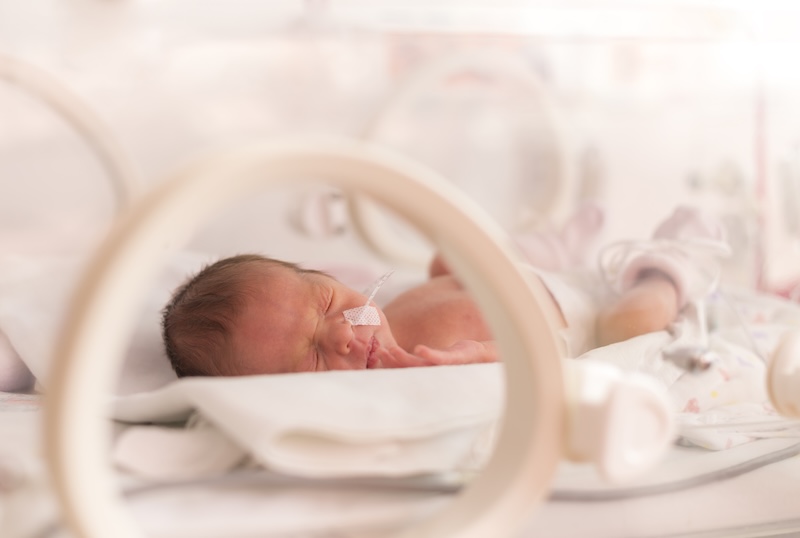
Optimising Breathing Support at Extubation in Very Preterm Infants: A Clinical Study (PrePAP)

Improving health outcomes via the Australian Research Consortium for Trans Youth and Children (ARCTYC)

The Children's Wellbeing Continuum

Healthier Wealthier Families

Pneumococcal vaccine trial aims to provide more protection to babies
Pneumococcal vaccine study in infants

NHMRC Ideas Grants for neonatal, infectious disease and heart research
Share //